


Few topics create more confusion, frustration, and disagreement in rental housing than the difference between tenant damage and normal wear and tear. In Passaic, NJ, this distinction plays a major role in how security deposits are handled at the end of a lease. Tenants often expect a full refund, while landlords must assess the condition of the property fairly and consistently.
The challenge is that many signs of use look similar on the surface. A scuffed wall, worn carpet, or loose cabinet hinge may feel like damage to one party and normal aging to the other. Understanding where the line is drawn helps reduce disputes, protects financial interests, and encourages better move-out practices for everyone involved.
This guide focuses on practical, real-world examples relevant to Passaic rental properties. Instead of vague definitions, it breaks down how everyday living affects a home, what typically crosses into tenant damage, and why documenting condition from day one is essential. Whether you rent or manage property in Passaic, knowing these differences can save time, money, and unnecessary conflict.
How Security Deposits Work in Passaic Rentals
Security deposits exist to protect rental properties from excessive damage beyond ordinary use. In Passaic, most tenants pay a security deposit at the beginning of their lease, which is held throughout the tenancy and reviewed after move-out. The purpose is not to cover every sign of aging, but to address damage that requires repair or replacement due to misuse, neglect, or preventable actions.
At the end of a lease, the condition of the unit is evaluated and compared to its original state at move-in. This comparison determines whether deductions are necessary. Normal wear and tear is expected and generally not deducted from a security deposit. Tenant damage, however, often results in repair costs that can legally be taken from the deposit.
In Passaic rental properties, clarity is especially important because older housing stock may already show signs of age. This makes accurate documentation at move-in critical. Without clear records, disagreements can arise over whether an issue existed before the tenant occupied the unit or developed during the tenancy.
Understanding how deposits function sets the foundation for understanding deductions. When both landlords and tenants approach the process with realistic expectations, the end-of-lease transition tends to be smoother and more transparent.
Why the Difference Between Damage and Wear and Tear Matters
The difference between tenant damage and normal wear and tear directly impacts whether money is returned or withheld from a security deposit. Misunderstanding this difference is one of the most common reasons disputes occur in Passaic rentals. Tenants may feel unfairly charged, while landlords may feel their property was not properly cared for.
Normal wear and tear refers to the gradual deterioration that happens when a home is lived in responsibly. Flooring dulls over time, paint fades, and fixtures loosen with regular use. These changes are expected and unavoidable, even with careful tenants. Charging for these issues can damage trust and lead to unnecessary conflict.
Tenant damage, on the other hand, involves deterioration that is not part of normal living. This includes neglect, accidents that go unreported, or actions that go beyond reasonable use. Understanding this distinction helps tenants know how to protect their deposit and helps landlords apply deductions consistently and fairly.
In Passaic’s competitive rental market, professionalism matters. Properties with clear standards for damage versus wear tend to experience fewer disputes, better tenant relationships, and faster turnover between leases.
Common Examples of Normal Wear and Tear in Passaic Rentals
Normal wear and tear varies depending on the length of the tenancy, the age of the property, and how the space is used. In Passaic rentals, where many properties have been occupied by multiple tenants over time, signs of everyday use are common and expected.
Walls, Paint, and Flooring
Minor scuffs on walls, small nail holes from hanging pictures, and faded paint from sunlight are typical examples of normal wear and tear. These changes occur naturally as tenants live their daily lives. Similarly, carpet flattening in high-traffic areas or light scratches on hardwood floors often result from regular foot traffic rather than abuse.
These conditions usually require routine maintenance between tenants, such as repainting or professional cleaning, and are generally considered part of property upkeep rather than tenant responsibility.
Fixtures and Appliances
Loose door handles, aging faucets, or appliances that show cosmetic wear after years of use typically fall under normal wear. As long as these items function properly and were not broken due to misuse, they are considered part of normal aging.
In Passaic apartments, older appliances may already have cosmetic imperfections. Documenting their condition at move-in helps ensure these issues are not later mistaken for tenant damage.
General Aging from Everyday Living
Faded window coverings, lightly worn countertops, and gradual loss of shine on bathroom fixtures are all signs of responsible occupancy. These changes happen regardless of how careful a tenant is and are not usually grounds for deductions.
Understanding these examples helps tenants feel confident about what is acceptable and helps landlords avoid over-charging for routine maintenance.
What Is Typically Considered Tenant Damage
Tenant damage goes beyond everyday aging and usually results from actions that could have been avoided with reasonable care. In Passaic rentals, these issues often require repairs that exceed standard turnover maintenance.
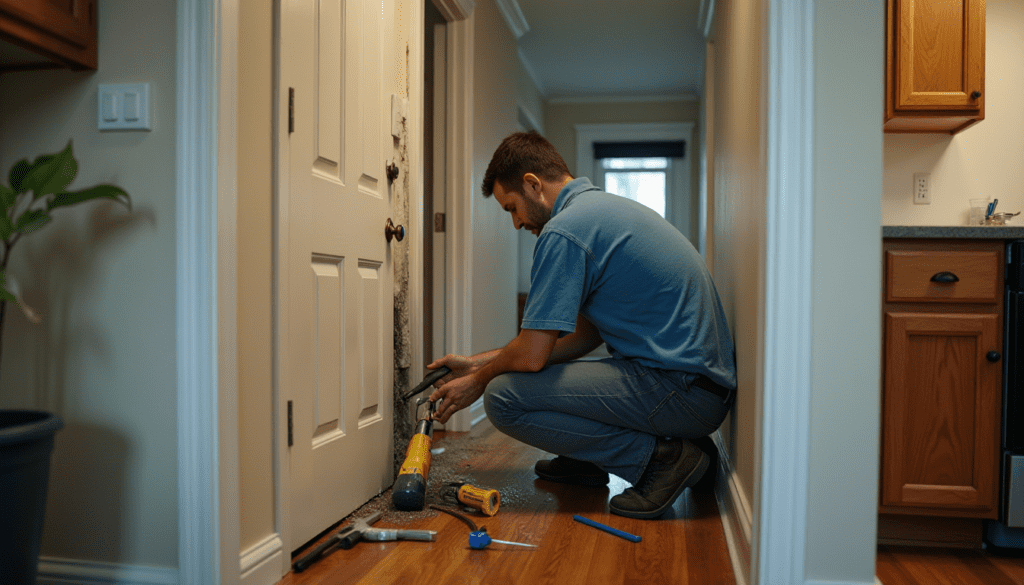
Large holes in walls, broken tiles, cracked windows, and permanent stains on carpets are common examples. Damage caused by pets, such as scratched doors or chewed trim, also often falls into this category if it exceeds normal wear.
Another frequent issue is unreported damage. A small leak that goes unnoticed or unreported can turn into significant water damage over time. While accidents happen, failure to address them promptly may result in deductions due to the extent of the repair required.
Tenant damage is not about punishment; it is about restoring the property to a rentable condition. When damage requires specialized repair, replacement, or labor beyond routine cleaning, it is more likely to be considered deductible.
How Move-In and Move-Out Inspections Shape Deductions
Move-in and move-out inspections are the most effective tools for clearly distinguishing tenant damage from normal wear and tear. In Passaic rentals, inspections provide a side-by-side comparison of the unit’s condition over time.
At move-in, documenting existing wear protects tenants from being held responsible for pre-existing issues. Photos, videos, and written notes help establish a baseline condition. At move-out, the same areas are reviewed to identify changes.
When inspections are thorough and consistent, deductions become easier to justify and explain. This transparency benefits both parties and reduces the likelihood of disputes. For tenants, inspections provide peace of mind. For landlords, they offer clear evidence when repairs are necessary.
In many Passaic properties, professional property management teams use standardized inspection checklists to ensure nothing is overlooked. Whether managed professionally or independently, inspections remain a critical step in fairly handling security deposits.
If you want to better understand how rental condition assessments affect security deposits and property upkeep, you can explore additional insights from this guide on carpet cleaning deductions, which covers similar wear versus damage scenarios in nearby New Jersey rentals.
Cleaning vs. Damage: What Can Be Deducted
One of the most misunderstood areas of security deposit deductions in Passaic rentals is the difference between cleaning and damage. Many tenants assume that any cleaning charge is unfair, while landlords often struggle to explain why certain cleaning costs go beyond routine turnover.
General cleaning that prepares a unit for the next tenant is typically considered part of regular property maintenance. Light dust, minor soap residue in bathrooms, or a small amount of dirt on floors usually fall under normal wear and tear. These are expected results of daily living and are not usually deducted from a security deposit.
However, excessive filth can cross the line into tenant damage. Grease buildup that requires professional degreasing, heavy carpet staining that demands deep extraction, or trash left behind that requires removal services may be considered deductible. The key factor is whether the condition goes beyond what would be expected from reasonable use.
In Passaic apartments, this distinction matters even more because turnover costs can vary significantly depending on the unit’s condition. Clear expectations set at move-in, combined with thorough inspections, help prevent disagreements about cleaning-related deductions.
Security Deposit Return Timeline in Passaic
After a tenant moves out, the clock starts ticking on the security deposit return process. In Passaic, landlords are required to review the unit, calculate any deductions, and return the remaining balance within a specific timeframe.
This period allows time for inspections, contractor estimates if repairs are needed, and preparation of an itemized list of deductions. Tenants should expect transparency during this process, including written explanations for any amounts withheld.
Delays often occur when damage is extensive or documentation is incomplete. This is why proper move-in and move-out records are essential. When everything is clearly documented, the return process tends to move faster and with fewer disputes.
Tenants who understand the timeline are better prepared to follow up if necessary, while landlords who adhere to consistent procedures demonstrate professionalism and reliability.
Itemized Deductions and Transparency
Itemized deductions are a critical part of the security deposit process. They explain exactly what repairs or services were needed and why a portion of the deposit was withheld. In Passaic rentals, detailed itemization helps build trust and reduces confusion.
Each deduction typically corresponds to a specific issue, such as repairing damaged drywall or replacing a broken fixture. Clear descriptions and reasonable cost breakdowns make it easier for tenants to understand how amounts were calculated.
When itemized lists are vague or incomplete, disputes are more likely to arise. Transparency benefits everyone involved by setting clear expectations and demonstrating fairness.
Disputing Incorrect Damage Charges
Despite best efforts, disagreements can still happen. Tenants who believe deductions were made incorrectly should first review their move-in and move-out documentation. Photos, videos, and written inspection reports often provide clarity.
Open communication is often the most effective first step. Many disputes can be resolved through calm discussion and comparison of records. In Passaic, renters who stay organized and proactive are better positioned to address concerns constructively.
Understanding the difference between normal wear and tear and tenant damage empowers tenants to advocate for themselves while maintaining a professional relationship with property owners or managers.
Preparing for a Smooth Move-Out in Passaic
Preparation plays a major role in avoiding security deposit disputes. Tenants who plan ahead, clean thoroughly, and address minor issues before moving out often experience fewer deductions.
Simple steps such as patching small nail holes, wiping down surfaces, and reporting any damage early can make a meaningful difference. These actions demonstrate care for the property and help distinguish responsible use from damage.
For landlords, clear communication about expectations and consistent inspection practices set the tone for a smoother transition between tenants. When both sides understand their responsibilities, the move-out process becomes far less stressful.
If you want to better understand how maintenance standards and deductions are handled across New Jersey rentals, official guidance from the New Jersey Department of Community Affairs and the NJ Courts landlord-tenant resources provide helpful background on security deposit practices and renter responsibilities.
By recognizing the difference between tenant damage and normal wear and tear, renters and landlords in Passaic can approach security deposits with clarity, fairness, and confidence.
Best Practices for Landlords Managing Wear and Tear
Managing rental properties in Passaic requires consistency and documentation. Landlords who apply the same standards to every unit reduce the risk of disputes and build credibility with tenants. Establishing clear guidelines for what is considered normal wear and tear versus tenant damage is one of the most effective ways to achieve this.
Using standardized inspection forms, taking dated photos, and keeping maintenance records helps create a clear history of each unit. This is especially important in multi-unit properties where turnover happens frequently and conditions can vary widely between tenants.
Another important practice is setting realistic expectations. Properties age over time, and routine maintenance should be anticipated. When landlords budget for normal wear, security deposit deductions can remain focused only on true tenant damage, keeping the process fair and defensible.
Tenant Checklist Before Moving Out
Tenants who take time to prepare before moving out are far more likely to receive their security deposit back with minimal deductions. In Passaic rentals, small proactive steps can prevent misunderstandings later.
Reviewing the move-in inspection report, taking fresh photos of the unit, and addressing minor issues like replacing burnt-out bulbs or cleaning appliances can help demonstrate responsible occupancy. Reporting any damage early, even close to move-out, shows good faith and transparency.
Organizing documentation and keeping communication open with the landlord or property manager also helps ensure that expectations are aligned before the final inspection takes place.
Real-World Scenarios: Wear and Tear vs Tenant Damage
Consider a carpet that appears worn in the living room of a Passaic apartment after several years of occupancy. If the wear is consistent with normal foot traffic, it is usually considered wear and tear. However, large dark stains caused by spills that were never treated may be viewed as tenant damage.
Another example involves walls. Faded paint from sunlight or a few small nail holes are typical signs of everyday living. In contrast, large holes, excessive markings, or unauthorized paint colors that require repainting often fall under tenant damage.
These scenarios highlight why context matters. Length of tenancy, original condition, and documentation all influence how issues are classified at move-out.
Helpful Resources for Passaic Renters and Property Owners
For those seeking additional clarity on security deposit handling and rental responsibilities in New Jersey, authoritative resources can provide valuable guidance. The New Jersey Department of Community Affairs offers detailed publications on rental housing standards and security deposits at nj.gov.
The New Jersey Courts landlord-tenant information page at njcourts.gov also explains common rental disputes and how they are typically resolved. These resources help both tenants and landlords better understand expectations and processes.
For local insights related to property management and security deposit deductions, you may also find practical examples in nearby New Jersey rental scenarios, such as this discussion on carpet cleaning deductions at move-out, which addresses similar wear versus damage questions.
Moving Forward With Clarity and Confidence
Understanding tenant damage versus normal wear and tear is essential for anyone involved in rental housing in Passaic, NJ. When expectations are clear, documentation is thorough, and communication remains professional, security deposit deductions become far less contentious.
Tenants benefit from knowing how to protect their deposit, while landlords benefit from maintaining their properties without unnecessary disputes. By focusing on fairness and transparency, both sides can navigate the move-out process with confidence and mutual respect.
This balanced approach not only protects financial interests but also contributes to healthier landlord-tenant relationships throughout Passaic’s rental community.
Common Questions Renters and Landlords Ask in Passaic
What is usually considered normal wear and tear in a Passaic rental?
Normal wear and tear typically includes minor scuffs on walls, faded paint, worn carpet in high-traffic areas, loose handles, and aging fixtures. These are signs of everyday living and are generally expected over time, especially in longer tenancies.
Can a landlord deduct for cleaning in Passaic, NJ?
Routine cleaning between tenants is usually not deducted. However, excessive dirt, grease buildup, trash removal, or severe staining that requires specialized cleaning may be treated differently because it goes beyond ordinary use.
How long does a landlord have to return a security deposit?
After move-out, landlords must inspect the unit, calculate deductions, and return the remaining deposit within the required timeframe. Clear documentation and prompt inspections help avoid delays.
What if a tenant disagrees with the damage charges?
Tenants should compare move-in and move-out documentation, including photos and inspection reports. Many disagreements can be resolved through discussion when clear records are available.
Does faded paint or worn flooring count as damage?
In most cases, no. Fading from sunlight or flooring wear from normal foot traffic is generally considered wear and tear rather than tenant damage.
Final Thoughts for Passaic Renters and Property Owners
Security deposit deductions do not have to be a source of conflict. When both tenants and landlords understand the difference between tenant damage and normal wear and tear, expectations become clearer and outcomes fairer. Good documentation, consistent inspections, and reasonable standards make the move-out process smoother for everyone involved.
Whether you are preparing to move out or managing a rental property in Passaic, taking a proactive and informed approach can help protect your investment, your deposit, and your peace of mind.
If you want guidance on move-in and move-out inspections, security deposit handling, or ongoing rental property management in Passaic and surrounding New Jersey areas, professional support can help ensure everything is handled clearly and correctly from start to finish.