Understanding the difference between tenant damage vs normal wear and tear in Belleville NJ is one of the most important — and most misunderstood — parts of managing a rental property. Whether you are a landlord preparing for a move-out inspection or a tenant wondering what deductions might be taken from a security deposit, the line between damage and everyday use can feel frustratingly unclear.
In Belleville and across New Jersey, many disputes over security deposits stem from mismatched expectations. Landlords may see preventable damage, while tenants believe the condition reflects normal living. Without clear documentation, consistent standards, and realistic expectations, these disagreements can quickly escalate.
This guide is designed to clarify that gray area using practical examples, real inspection scenarios, and property management best practices specific to Belleville NJ rentals. Instead of vague definitions, you’ll find detailed explanations that help both landlords and tenants understand how wear and tear differs from tenant-caused damage — and how deductions should be evaluated fairly.
Throughout this article, you’ll also see how professional property managers document condition, assess repairs, and reduce disputes using consistent inspection methods. Resources such as move-in checklists, photo documentation, and depreciation awareness play a major role in determining whether something qualifies as chargeable damage or not.
Inspection Reality for Belleville Rental Properties
Belleville NJ rental properties experience a wide range of wear patterns depending on building age, tenant lifestyle, and length of occupancy. A two-year tenancy in a newer apartment will naturally look different from a seven-year stay in an older multi-family home. That context matters greatly when evaluating condition.
During inspections, landlords often encounter faded paint, lightly worn carpets, loose door handles, or minor scuffs on walls. These are common outcomes of normal daily use. The challenge arises when inspections are rushed or when expectations were never clearly communicated at move-in.
Professional property managers in Belleville typically rely on standardized inspection processes. These include baseline documentation at move-in, routine maintenance records during tenancy, and a detailed comparison during move-out. Without this structure, subjective opinions often replace objective evaluation.
Many disputes could be avoided if both parties understood from the start how condition would be assessed. Clear benchmarks — not emotions — should guide decisions. That’s why inspection consistency is a cornerstone of fair security deposit deductions.
Why the Difference Between Damage and Wear Matters
The distinction between tenant damage vs normal wear and tear directly affects whether a landlord can justify deductions from a security deposit. Normal wear and tear represents the expected decline in condition that happens even when a tenant takes reasonable care of the property. Tenant damage, on the other hand, results from negligence, misuse, or intentional actions.
From a landlord’s perspective, misclassifying wear and tear as damage can lead to disputes, delayed turnovers, and strained tenant relationships. From a tenant’s viewpoint, being charged for normal aging of a property feels unfair and unexpected.
This difference also impacts budgeting and long-term maintenance planning. Items like paint, flooring, and fixtures depreciate over time. Treating them as “new” at move-out ignores their lifespan and can distort repair costs.
In Belleville NJ, where many rental properties are older, understanding realistic expectations is especially important. Normal wear and tear accumulates faster in high-traffic units, and inspections must account for that reality.
How Security Deposits Fit Into Move-Out Evaluations
Security deposits are meant to protect property owners from financial loss caused by tenant damage — not to fund routine upgrades or cover normal aging. This principle guides how deductions should be evaluated during move-out inspections.
In practice, many Belleville NJ landlords use the security deposit to address issues such as broken fixtures, unauthorized alterations, excessive filth, or damage that goes beyond ordinary use. Problems arise when everyday wear — such as minor carpet flattening or faded paint — is treated the same way.
Professional property management companies often rely on detailed move-in and move-out reports to support deposit deductions. These reports typically include timestamped photos, condition notes, and repair estimates. This documentation creates transparency and helps avoid disputes.
Tenants can protect themselves by keeping their own records and understanding what conditions are considered acceptable at move-out. Awareness on both sides leads to smoother turnovers and fewer disagreements.
Normal Wear and Tear in Belleville NJ Rentals
Normal wear and tear refers to the gradual deterioration of a rental property that occurs through everyday living. This happens even when a tenant is careful, responsible, and follows all lease terms.
Examples of normal wear and tear often include lightly scuffed walls from furniture, minor nail holes from hanging pictures, faded paint due to sunlight, and gently worn carpet in high-traffic areas. These changes are expected over time and are not considered tenant damage.
In Belleville NJ, older buildings may show wear more quickly due to original materials or previous use. Landlords should factor in the age and condition of the unit at move-in when assessing wear at move-out.
It’s also important to consider length of tenancy. A unit occupied for several years will naturally show more wear than one rented for a short term. Fair assessments account for this timeline rather than comparing the unit to a brand-new condition.
Common Examples of Normal Wear and Tear
Understanding specific examples helps eliminate confusion during inspections. Normal wear and tear typically includes:
- Faded or slightly chipped paint from everyday use
- Minor scuffs or marks on walls and doors
- Worn carpet paths in living rooms or hallways
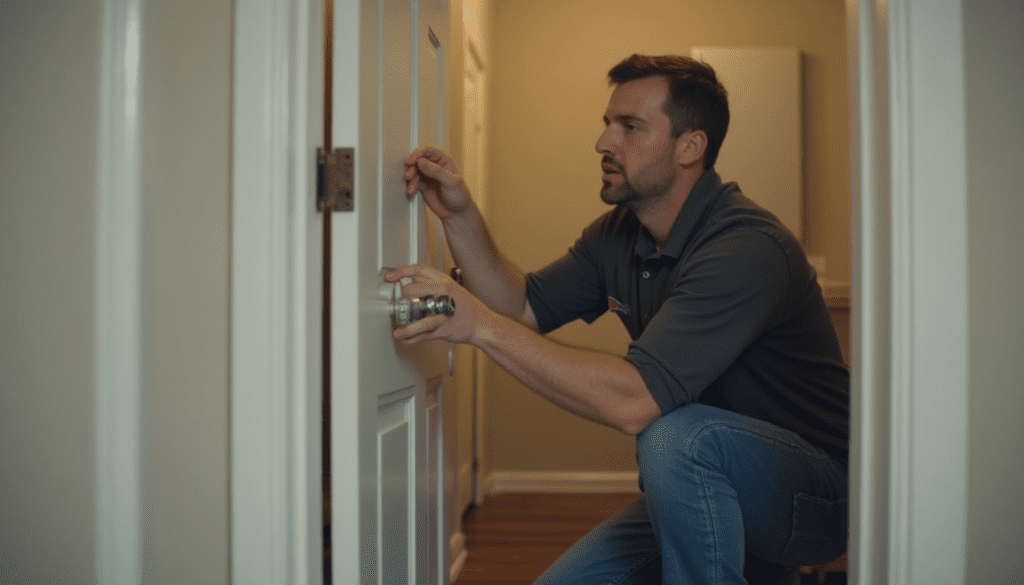
- Loose handles or hinges from regular opening and closing
- Light grout discoloration in bathrooms
These conditions do not usually justify security deposit deductions because they are not caused by neglect or abuse. Instead, they signal that the property has been lived in as intended.
Clear documentation at move-in helps establish what condition the property started in. When landlords and tenants share the same reference point, it becomes much easier to identify what changed due to normal living versus preventable damage.
What Is Considered Tenant-Caused Damage
Tenant-caused damage goes beyond the expected effects of daily living and usually results from negligence, misuse, or actions that significantly alter the condition of the rental property. Unlike normal wear and tear, this type of damage is preventable and often requires repair or replacement that would not otherwise be necessary.
In Belleville NJ rentals, tenant damage is most often identified during move-out inspections when conditions differ substantially from the documented move-in state. These differences are not attributed to time or ordinary use, but rather to how the property was treated during the tenancy.
Examples include large holes in walls that go beyond standard picture hanging, broken fixtures due to force, missing or damaged appliances, and stains or burns that permanently affect flooring. These issues typically require immediate corrective work before the next tenant can move in.
Understanding what qualifies as tenant damage helps create realistic expectations. When both landlords and tenants recognize that damage is tied to behavior rather than time, disputes become easier to resolve and inspection decisions feel more transparent.
Common Examples of Tenant Damage in Belleville Rentals
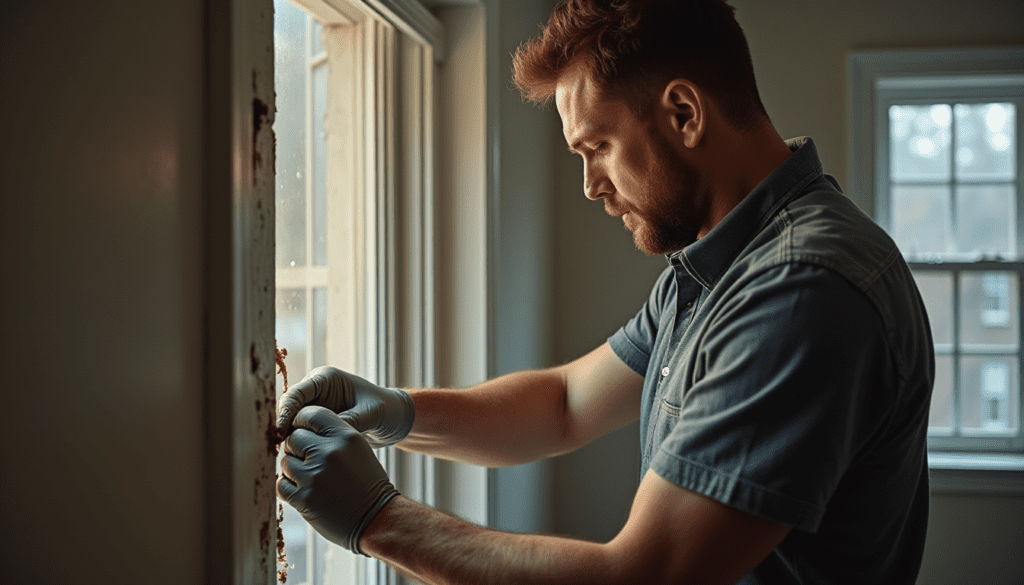
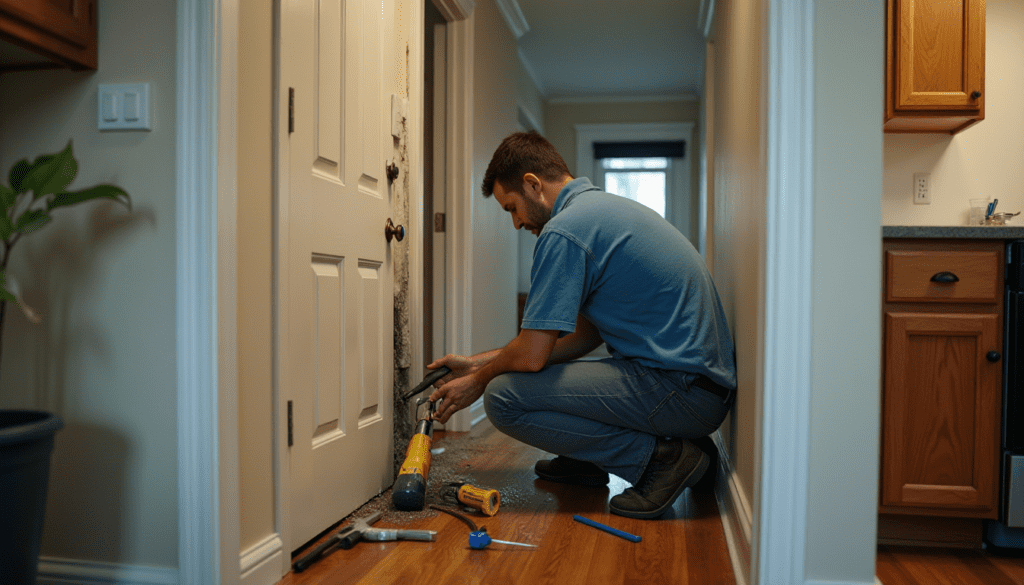
Tenant damage can take many forms, and some are more obvious than others. In Belleville NJ properties, common examples include excessive wall damage from mounted TVs or shelving that was not properly installed or removed, resulting in torn drywall or exposed studs.
Flooring issues are another frequent concern. Large carpet stains from spills that were never cleaned, pet-related damage, or deep scratches in hardwood floors caused by dragging furniture are often considered tenant damage because they exceed normal use.
Appliance damage also falls into this category when misuse is evident. Broken refrigerator shelves, cracked stovetops, or missing appliance parts typically require replacement and are not part of ordinary wear.
Bathrooms and kitchens may show tenant damage through cracked tiles, broken fixtures, or clogged plumbing caused by improper disposal of materials. These conditions usually require professional repair and are not expected outcomes of normal occupancy.
Why Documentation at Move-In Is Critical
One of the most effective ways to distinguish tenant damage from normal wear and tear is thorough documentation at the beginning of the tenancy. A detailed move-in inspection sets a clear baseline for the condition of the property.
In Belleville NJ, many property managers use written checklists combined with timestamped photos to capture the state of walls, floors, appliances, fixtures, and common areas. This documentation protects both parties by creating a shared reference point.
Without proper records, disagreements often become subjective. What one party remembers as “already worn” may appear new to another. Documentation removes uncertainty and replaces it with evidence.
Tenants are encouraged to review and confirm move-in reports, noting any existing issues. This proactive step can prevent being held responsible for conditions that were present before occupancy.
How Move-Out Inspections Should Be Approached
Move-out inspections are where the distinction between tenant damage and normal wear and tear becomes most important. A structured, methodical approach helps ensure fair evaluations.
Professional inspectors typically compare the current condition of the unit against the original move-in documentation, factoring in the length of tenancy and expected depreciation. This comparison helps identify changes that exceed normal use.
In Belleville NJ, move-out inspections often focus on high-impact areas such as kitchens, bathrooms, flooring, and walls. These areas tend to show the most noticeable differences over time.
Clear communication during this process is key. When tenants understand how inspections are conducted and what criteria are used, the outcome feels more predictable and less contentious.
Walls, Paint, and Flooring: Realistic Assessment Scenarios
Walls and flooring are among the most debated elements during inspections. Light scuffs, minor nail holes, and gradual fading of paint are generally considered normal wear and tear, especially in units occupied for multiple years.
However, large holes, unauthorized paint colors, or extensive staining that requires full replacement often qualify as tenant damage. The difference lies in whether the issue could reasonably be expected from everyday living.
Flooring assessments should also account for material type and age. Carpet naturally compresses and shows traffic patterns, while hardwood may develop light surface scratches. These are typical wear patterns, not damage.
By evaluating these elements with context and documentation, landlords can make fair decisions that align with realistic expectations for Belleville NJ rental properties.
Fixtures, Appliances, and Built-In Features
Fixtures and appliances often create confusion during move-out inspections because they naturally age but can also be damaged through misuse. In Belleville NJ rentals, items such as faucets, light fixtures, cabinet hardware, and appliances are expected to function as intended while showing signs of regular use.
Normal wear and tear may include slightly loose handles, reduced appliance efficiency due to age, or minor cosmetic marks. These changes typically occur over time even when tenants use items properly.
Tenant-caused damage, however, becomes apparent when fixtures are broken, missing, or rendered unusable. Examples include cracked sink basins from impact, broken appliance doors, or removed fixtures that were never authorized. These issues usually require replacement rather than routine maintenance.
Assessments should consider the original condition and age of the item at move-in. Holding tenants responsible for replacing an already aging appliance often leads to disputes that could have been avoided with proper documentation.
Photo Evidence and Inspection Checklists
Photo documentation plays a critical role in distinguishing tenant damage from normal wear and tear. Clear, well-lit photos taken at move-in and move-out provide objective evidence that supports inspection findings.
In Belleville NJ, many property managers rely on standardized inspection checklists paired with photos to ensure consistency across units. These checklists typically cover walls, floors, appliances, fixtures, windows, and common wear areas.
Photos help eliminate memory-based disagreements. When both parties can visually compare before-and-after conditions, it becomes easier to agree on what changed and why.
Tenants benefit from keeping their own photo records as well. This shared approach creates transparency and reduces the likelihood of misunderstandings during security deposit evaluations.
Setting Clear Expectations with Tenants
Clear expectations at the start of a tenancy can significantly reduce confusion later. When tenants understand what is considered normal wear and tear versus damage, they are more likely to care for the property accordingly.
Move-in orientations, written guidelines, and inspection walkthroughs help establish these expectations. In Belleville NJ rentals, providing examples of acceptable wear versus chargeable damage has proven effective in minimizing disputes.
Ongoing communication during the tenancy also matters. Addressing maintenance issues promptly prevents minor problems from turning into major damage that could have been avoided.
Transparency builds trust. When tenants feel informed rather than surprised, move-out processes tend to be smoother and more cooperative.
Depreciation and Fair Repair Assessments
Depreciation is an often-overlooked factor in evaluating tenant damage. Items such as paint, carpet, and appliances lose value over time due to normal use.
In Belleville NJ, fair assessments account for this decline rather than charging tenants full replacement costs for items near the end of their useful life. For example, replacing a heavily worn carpet after many years may not be entirely attributable to tenant damage.
Understanding depreciation encourages balanced decisions. It helps landlords recover legitimate losses without placing unreasonable financial burdens on tenants.
This approach also supports long-term property maintenance planning by aligning repair costs with realistic lifecycle expectations.
Common Mistakes That Lead to Deposit Disputes
Many security deposit disputes arise from avoidable mistakes. Inconsistent inspections, lack of documentation, and unclear standards are among the most common issues.
Another frequent mistake is treating every imperfection as damage. This approach often ignores the reality of normal wear and tear and undermines credibility during disputes.
In Belleville NJ, landlords who rely on objective evidence and consistent criteria are far more successful in resolving disagreements amicably.
Tenants can also contribute to disputes by failing to document move-in conditions or neglecting basic upkeep during their tenancy.
How Tenants Can Protect Their Security Deposit
Tenants play an important role in protecting their security deposit by understanding expectations and maintaining the property responsibly.
Keeping records, reporting maintenance issues promptly, and performing basic cleaning before move-out all help demonstrate care for the unit.
In Belleville NJ, tenants who participate actively in inspections and documentation often experience fewer surprises during deposit evaluations.
Preparation and communication are key factors in ensuring a fair outcome for both parties.
Bringing It All Together
Distinguishing tenant damage from normal wear and tear is essential for fair security deposit deductions in Belleville NJ rental properties. Clear documentation, consistent inspections, and realistic expectations form the foundation of this process.
When landlords and tenants share an understanding of how condition is evaluated, disputes become less frequent and move-outs become more predictable.
By focusing on transparency, context, and evidence, both parties can navigate inspections with confidence and clarity.
Inspection Consistency Across Multiple Units
One of the most effective ways to reduce disputes over tenant damage vs normal wear and tear in Belleville NJ is consistency. When inspections are handled differently from unit to unit, it becomes difficult to justify why one tenant was charged while another was not for a similar condition.
Property managers who oversee multiple Belleville rentals often use the same inspection checklist, scoring system, and photo standards for every unit. This creates a repeatable process that removes personal bias and focuses on observable facts.
Consistency also helps landlords track patterns over time. If certain issues appear frequently, such as accelerated carpet wear or repeated fixture damage, it may indicate a need for material upgrades rather than tenant responsibility.
From a tenant perspective, consistent inspections reinforce fairness. When expectations are uniform, tenants are less likely to feel targeted or treated unfairly during move-out evaluations.
The Role of Routine Maintenance During Tenancy
Routine maintenance plays a major role in preventing minor wear from turning into major damage. Small issues left unresolved can worsen over time and blur the line between normal wear and tenant damage.
In Belleville NJ rentals, common examples include small leaks that lead to cabinet damage, loose tiles that eventually crack, or minor appliance issues that escalate due to delayed repairs.
When landlords respond promptly to maintenance requests, they protect the property and reduce the likelihood of costly repairs later. This proactive approach also supports fair deposit evaluations, as tenants are less likely to be blamed for preventable deterioration.
Tenants who report issues early and allow access for repairs contribute directly to preserving the condition of the unit. Maintenance cooperation benefits both parties.
Preparing a Rental for Fair Move-Out Results
Preparation before move-out can significantly influence how a property is evaluated. Simple steps such as cleaning, patching small nail holes, and replacing burnt-out light bulbs help present the unit accurately.
In Belleville NJ, many successful move-outs include a pre-inspection walkthrough. This allows tenants to understand potential concerns before the final inspection takes place.
Landlords and property managers who offer clear move-out guidelines often see fewer disputes. These guidelines typically align with documented expectations set at move-in.
Preparation creates alignment. When both sides know what will be evaluated, the process feels less adversarial and more procedural.
Using Checklists to Reduce Subjectivity
Subjectivity is one of the biggest challenges in distinguishing wear and tear from damage. Checklists help convert subjective impressions into objective evaluations.
Inspection checklists commonly used in Belleville NJ rentals break down each room into specific elements such as walls, floors, fixtures, appliances, and cleanliness. Each item is evaluated against the documented move-in condition.
This structured approach prevents overemphasis on minor imperfections while ensuring legitimate damage is not overlooked.
Checklists also make it easier to explain deductions clearly. When tenants can see exactly what was assessed and why, disagreements are easier to resolve.
Understanding the Impact of Length of Tenancy
The length of a tenant’s stay is a critical factor when assessing wear and tear. A property occupied for several years will naturally show more signs of use than one rented for a short term.
In Belleville NJ, long-term tenancies often involve gradual changes such as faded paint, worn flooring, and aging fixtures. These conditions are expected and should be evaluated accordingly.
Short-term rentals, on the other hand, may raise more questions when significant deterioration appears quickly. Context matters when determining responsibility.
Fair evaluations always consider time, usage patterns, and the original condition of the unit.
Why Professional Property Management Makes a Difference
Professional property management adds structure, documentation, and experience to the inspection process. Managers are trained to identify normal wear patterns versus preventable damage.
In Belleville NJ, property management companies often rely on standardized systems that include move-in photos, maintenance logs, and detailed move-out reports. These systems reduce ambiguity and support defensible decisions.
Professional oversight also helps landlords stay organized across multiple properties, ensuring that inspections are handled consistently and fairly.
For tenants, working with a professional manager often means clearer communication and more predictable outcomes.
Reducing Disputes Through Transparency
Transparency is the most effective tool for reducing disputes related to security deposits. When inspection criteria, documentation, and expectations are shared openly, surprises are minimized.
In Belleville NJ rentals, transparency often includes providing copies of inspection reports, explaining deductions in writing, and referencing photo evidence when needed.
This openness builds credibility and helps both parties understand how conclusions were reached.
Disputes are less about the condition itself and more about how decisions are communicated.
Planning Ahead for Smoother Turnovers
Smooth turnovers benefit landlords, tenants, and future occupants. Planning ahead allows for efficient repairs, accurate budgeting, and timely re-renting.
When tenant damage and normal wear and tear are clearly distinguished, turnover costs become more predictable. This is especially important in competitive Belleville NJ rental markets.
Advance planning also reduces vacancy time and stress for everyone involved.
A well-documented, fair inspection process is a key part of successful rental management.
Final Thoughts on Wear and Tear vs Tenant Damage
Tenant damage vs normal wear and tear in Belleville NJ is not about finding fault — it’s about understanding realistic expectations. Properties age, materials wear, and responsible living leaves traces.
By relying on documentation, consistency, and context, landlords can make fair decisions while tenants can feel confident their deposits are handled properly.
Clear processes lead to better outcomes, fewer disputes, and stronger rental relationships across Belleville’s diverse housing market.