

One of the most common points of tension between landlords and tenants in Garfield, New Jersey happens at move-out: the security deposit. Specifically, disputes often arise over whether an issue qualifies as tenant damage or simply normal wear and tear. Understanding this distinction is critical for both sides, because it directly affects how much of the security deposit can be legally and reasonably deducted.
In Garfield NJ rental properties, everyday use of a home naturally causes minor aging. Paint fades, carpets flatten, and fixtures loosen over time. These changes are expected and are generally considered normal wear and tear. On the other hand, excessive damage caused by negligence, misuse, or abuse may justify security deposit deductions. Knowing the difference helps prevent misunderstandings, protects landlords from disputes, and helps tenants avoid unnecessary charges.
This guide breaks down tenant damage vs normal wear and tear using clear examples, real-world scenarios, and practical explanations tailored to Garfield NJ rentals. Throughout the article, we also reference widely accepted property management standards and authoritative resources such as the New Jersey security deposit guidance and national rental housing experts to ensure accuracy and fairness.
If you are a landlord trying to make fair deductions or a tenant preparing to move out, this breakdown will help you understand what is reasonable, what is not, and how to avoid common deposit disputes.
Why the Difference Between Wear and Tear and Damage Matters
The difference between normal wear and tear and tenant-caused damage matters because it determines whether a landlord can deduct money from a security deposit. According to widely accepted rental housing standards, landlords are responsible for the natural aging of a property, while tenants are responsible for damage beyond normal use. Confusing the two often leads to frustration, disputes, and in some cases, formal complaints.
For landlords in Garfield NJ, misclassifying normal wear and tear as damage can result in disputes that consume time, money, and credibility. Tenants who feel unfairly charged may challenge deductions, request documentation, or escalate the issue. Referencing clear guidelines, such as those outlined in New Jersey’s security deposit bulletin and trusted housing resources like Hemlane and Legal Services of New Jersey, helps landlords apply deductions consistently and defensibly.
For tenants, understanding this distinction provides leverage and clarity. Knowing what qualifies as normal wear and tear allows tenants to spot unreasonable charges and prepare the unit properly before moving out. Many disagreements stem from simple misunderstandings, such as expecting a tenant to pay for faded paint or worn carpeting that has reached the end of its useful life.
Ultimately, clarity benefits everyone. When both parties share the same expectations, move-out inspections become smoother, deductions become easier to justify, and relationships remain professional rather than adversarial.
What Is Considered Normal Wear and Tear
Normal wear and tear refers to the gradual deterioration of a rental property that occurs through ordinary, everyday use. This type of aging is unavoidable, even when tenants take good care of the home. Industry sources such as Zillow and Hemlane consistently describe wear and tear as damage that happens without negligence, abuse, or carelessness.
In Garfield NJ rentals, normal wear and tear is influenced by factors such as the length of the tenancy, the number of occupants, and the age of the property. A unit occupied for several years will naturally show more signs of use than a short-term rental, and this context matters when evaluating deductions.
Landlords should not expect a property to look brand new after a tenant moves out. Instead, the goal is to assess whether the condition reflects reasonable use or excessive damage. Below are common areas where normal wear and tear is often misunderstood.
Walls and Paint
Walls are one of the most frequently disputed areas during move-out inspections. Normal wear and tear on walls typically includes minor scuffs, small nail holes from hanging pictures, and gradual fading of paint due to sunlight and time. These issues occur even when tenants are careful and are generally considered part of routine property upkeep.
For example, slight discoloration around light switches or minor marks in high-traffic areas are normal. Paint also has a limited useful life, and after several years, repainting is often necessary regardless of tenant behavior. Resources like the New Jersey security deposit guidance emphasize that landlords cannot charge tenants for routine repainting caused by ordinary living.
Understanding this helps landlords avoid overcharging and helps tenants feel confident about what they are not responsible for when vacating a unit.
Flooring and Carpets
Flooring naturally wears down over time, especially in areas with frequent foot traffic. Normal wear and tear includes flattened carpet fibers, minor stains that remain after professional cleaning, and light scratches on hardwood floors caused by everyday walking.
According to housing experts referenced by Zillow, carpets have a limited lifespan. If a carpet is several years old, some level of wear is expected and should not be charged to the tenant. In Garfield NJ rentals, this often becomes a point of contention when landlords attempt to replace old carpets and deduct the full cost from a security deposit.
Tenants are typically only responsible for damage that goes beyond ordinary use, such as large, untreated stains, burns, or tears caused by negligence. Distinguishing between age-related wear and actual damage is essential for fair deductions.
Doors, Windows, and Fixtures
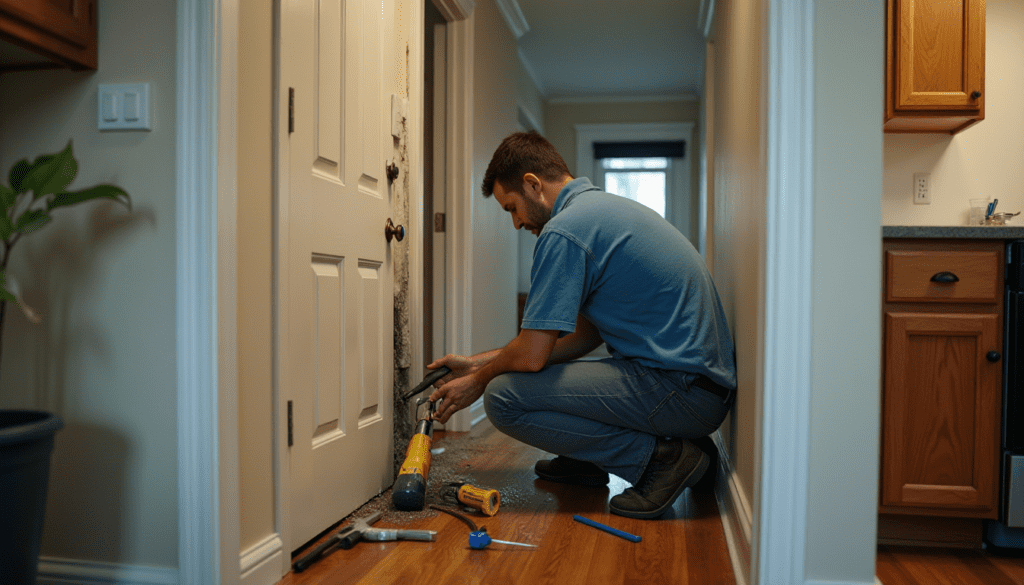
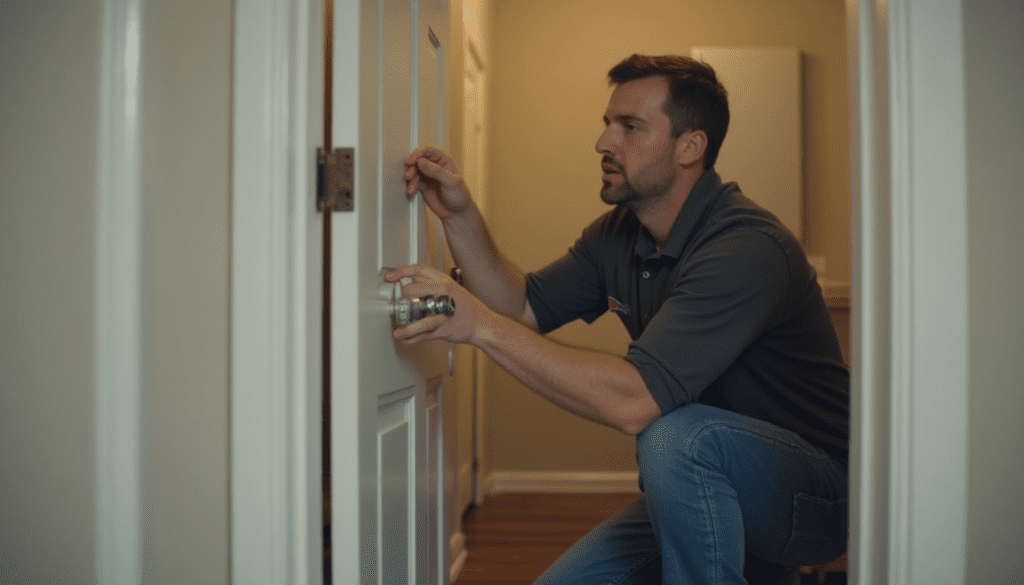
Doors, windows, and fixtures also experience gradual aging. Normal wear and tear may include loose door handles, squeaky hinges, minor scratches, or window blinds that have faded or become brittle over time. These issues are usually the result of repeated use rather than misuse.
For example, a door that no longer closes as smoothly as it once did may simply need routine adjustment. Likewise, a faucet with reduced finish shine is often due to age and cleaning rather than tenant damage. Legal Services of New Jersey and similar housing authorities consistently note that landlords are responsible for maintaining these elements as part of ongoing property care.
Recognizing normal wear and tear in these areas helps landlords plan maintenance budgets and helps tenants avoid being unfairly charged for issues they did not cause.
How Normal Wear and Tear Is Evaluated at Move-Out
Evaluating normal wear and tear is not about perfection; it is about reasonableness. At move-out, landlords in Garfield NJ typically compare the unit’s condition to its documented move-in condition while accounting for the length of tenancy and normal aging. This comparison is a key factor emphasized in New Jersey housing guidance and best-practice property management standards.
Move-in and move-out inspections play a critical role in this process. When landlords maintain clear records, including photos and written notes, it becomes easier to distinguish between acceptable wear and tenant damage. This documentation also provides transparency if questions arise later.
Tenants benefit from this process as well. When expectations are clear and supported by documentation, tenants can better understand which items fall under normal wear and tear and which may require attention before handing over the keys.
By applying consistent standards and relying on established housing resources, both landlords and tenants in Garfield NJ can approach security deposit deductions with clarity, fairness, and confidence.
What Counts as Tenant-Caused Damage
Tenant-caused damage goes beyond the expected aging of a rental property and usually results from negligence, misuse, or failure to maintain the unit in a reasonable condition. Unlike normal wear and tear, this type of damage is not inevitable and is often preventable. In Garfield NJ rentals, tenant damage is one of the primary reasons landlords deduct from a security deposit.
Housing authorities and rental property experts such as Hemlane and Zillow consistently define tenant damage as harm that occurs due to actions outside of normal daily living. This distinction is important because landlords may recover reasonable repair costs for damage, but not for ordinary aging. Understanding what qualifies as damage helps tenants avoid unexpected deductions and helps landlords justify their decisions with clarity.
Below are common categories of tenant-caused damage that frequently lead to disputes during move-out inspections.
Excessive Holes and Wall Damage
While small nail holes used to hang pictures are generally considered normal wear and tear, excessive or unapproved wall damage is not. Large holes, multiple anchor holes, cracked drywall, or walls damaged by mounted televisions without proper reinforcement often require patching, sanding, and repainting beyond routine touch-ups.
For example, if a tenant installs shelving or heavy fixtures and removes them improperly, leaving significant damage behind, this is typically classified as tenant damage. According to widely referenced New Jersey rental guidelines, landlords may deduct reasonable repair costs for restoring walls to their prior condition.
This is one area where move-in photos are especially valuable. Comparing before-and-after images helps determine whether wall damage exceeds normal use.
Stains, Burns, and Carpet Damage
Carpets are another frequent source of disagreement. As discussed earlier, normal wear includes gradual flattening and minor discoloration over time. However, tenant-caused carpet damage includes large stains that were never treated, pet urine saturation, burns, rips, or areas where the carpet padding is damaged.
Zillow’s rental guidance notes that when damage shortens the remaining useful life of the carpet, landlords may reasonably deduct repair or replacement costs, adjusted for depreciation. For example, replacing a carpet that still had several years of life left due to severe damage may justify a partial deduction rather than the full replacement cost.
Tenants can reduce risk by professionally cleaning carpets before move-out and addressing stains early, while landlords should document damage clearly to avoid disputes.
Broken Appliances and Fixtures
Appliances and fixtures naturally wear out, but they can also be damaged through misuse. Normal wear might include an aging refrigerator that runs less efficiently or a faucet that drips due to worn internal components. These are maintenance issues typically handled by the landlord.
Tenant damage, however, includes broken appliance doors, cracked stovetops, damaged control panels, or fixtures torn from walls. Legal Services of New Jersey emphasizes that tenants may be held responsible when damage results from improper use rather than ordinary operation.
Clear documentation of appliance condition at move-in, along with maintenance records, helps establish whether an issue is age-related or tenant-caused.
How Damage Is Assessed During a Move-Out Inspection
Assessing tenant damage requires a fair and consistent process. In Garfield NJ, best practices align with guidance from New Jersey housing authorities, which recommend detailed move-out inspections supported by photos, written notes, and itemized repair estimates.
During inspection, landlords should consider the length of the tenancy, the original condition of the unit, and the expected lifespan of materials. For example, charging a tenant for replacing a ten-year-old appliance that failed due to age would generally be unreasonable, while charging for a broken appliance caused by misuse would not.
Tenants benefit from attending move-out inspections when possible. This allows issues to be discussed in real time and reduces misunderstandings about what is considered damage versus normal wear and tear.
Why Documentation Protects Both Landlords and Tenants
Documentation is the foundation of fair security deposit deductions. New Jersey security deposit guidance strongly encourages landlords to maintain records that show the condition of the property before and after a tenancy. This includes dated photos, inspection checklists, and repair invoices.
For landlords, proper documentation supports deductions and demonstrates good-faith handling of the deposit. For tenants, documentation provides transparency and a clear explanation for any charges. When disputes arise, clear records often resolve them quickly without escalation.
In Garfield NJ’s rental market, where many properties experience frequent turnover, consistent documentation practices help ensure that wear and tear is treated as routine maintenance and tenant damage is addressed appropriately.
How Security Deposit Deductions Are Commonly Misunderstood
Security deposit deductions are often misunderstood because expectations between landlords and tenants are rarely aligned at the beginning of a lease. Many tenants assume that leaving the unit generally clean is enough, while many landlords expect the property to be returned in near move-in condition. In reality, neither extreme is accurate, and this gap in expectations is where most disputes begin.
In Garfield NJ rentals, misunderstandings usually stem from unclear definitions of wear and tear versus damage. For instance, a tenant may believe that visible carpet wear after several years is normal, while a landlord may view it as grounds for replacement. Without a shared understanding of what is reasonable, even small issues can escalate into larger disagreements.
Authoritative housing resources such as Hemlane and Zillow emphasize that deductions should be tied to actual damage and supported by documentation. When deductions are applied inconsistently or without explanation, tenants are more likely to question them. Clear communication and consistent standards help prevent these situations.
Realistic Examples of Wear and Tear vs Damage
Seeing side-by-side examples often makes the distinction clearer than definitions alone. In real-world Garfield NJ properties, the difference usually comes down to scale, severity, and preventability.
For example, a few scuff marks on a hallway wall after a multi-year tenancy are typical wear and tear. In contrast, deep gouges, large holes, or unapproved paint colors that require extensive labor to correct are generally considered tenant damage. Similarly, a carpet that has flattened fibers from foot traffic is normal, while a carpet with large pet stains that were never addressed is not.
Zillow’s rental education materials point out that damage is often identified by whether the issue could have been avoided with reasonable care. This perspective helps both landlords and tenants evaluate conditions more objectively.
The Role of Time and Depreciation in Evaluations
Time plays a major role in determining whether something qualifies as wear and tear or damage. Every material in a rental property has a useful life. Paint, carpets, appliances, and fixtures all degrade over time, regardless of how careful a tenant may be. Ignoring depreciation often leads to unfair deductions.
For example, if carpeting is already near the end of its expected lifespan, charging a tenant for full replacement due to minor issues is generally considered unreasonable. Housing guidance referenced by Legal Services of New Jersey and other tenant advocacy organizations consistently notes that deductions should account for age and condition at move-in.
In Garfield NJ, where many rental properties are older, depreciation is especially important. Evaluating damage without considering how long an item has already been in use can result in deductions that do not reflect reality.
How Tenants Can Reduce the Risk of Deductions
Tenants can take proactive steps throughout their tenancy to minimize security deposit deductions. One of the most effective strategies is documenting the unit’s condition at move-in. Taking photos and notes helps establish a baseline that can be referenced later.
Regular cleaning and prompt reporting of maintenance issues also make a difference. For example, addressing small leaks early can prevent larger problems that might otherwise be mistaken for tenant damage. Hemlane’s rental management resources consistently highlight the importance of communication and routine upkeep.
Before moving out, tenants should perform a thorough walkthrough, focusing on areas commonly associated with deductions such as walls, floors, and appliances. Taking care of minor issues early often costs less than facing deductions later.
How Landlords Can Apply Fair and Defensible Deductions
For landlords in Garfield NJ, fairness and consistency are key. Applying the same standards across all properties and tenants reduces the risk of disputes and builds trust. Using clear move-in and move-out checklists, supported by photos, creates transparency and protects both parties.
Itemized explanations of deductions are also important. When tenants understand exactly what they are being charged for and why, they are less likely to challenge the deduction. New Jersey housing guidance encourages landlords to provide clear breakdowns rather than vague explanations.
By relying on established housing standards and reputable resources such as Zillow, Hemlane, and Legal Services of New Jersey, landlords can ensure that deductions are reasonable, justified, and aligned with best practices.