Tenant Damage vs Normal Wear and Tear: A Practical Breakdown
Understanding the difference between tenant damage and normal wear and tear is one of the most common points of confusion for renters and property owners in Caldwell, NJ. This distinction plays a major role when security deposit deductions are reviewed at the end of a lease. While both involve changes to a rental unit over time, they are treated very differently when it comes to responsibility and cost.
Normal wear and tear refers to the gradual, unavoidable deterioration of a property that happens when a home is lived in responsibly. Floors get duller, paint fades slightly, and fixtures loosen over the years. These changes are expected and generally cannot be charged to a tenant. Tenant damage, on the other hand, results from neglect, misuse, or actions that go beyond reasonable living. Broken doors, large holes in walls, or heavily stained carpets typically fall into this category.
In Caldwell rental properties, disputes often arise because the line between wear and damage is not always obvious. A small scuff on a wall may be normal, while deep gouges from furniture are not. This article breaks down these differences in a practical, real-world way, using common apartment scenarios rather than abstract definitions. The goal is clarity, not technical jargon, so both tenants and property owners can better understand what deductions may be considered reasonable.
Why the Difference Matters for Caldwell Rental Properties
For renters in Caldwell, knowing what qualifies as normal wear and tear can help prevent unexpected security deposit deductions. Many tenants assume that any imperfection noted at move-out could cost them money, which is not necessarily true. Everyday use of a rental unit naturally leaves marks over time, and those marks are often the responsibility of the property owner as part of routine upkeep.
Property owners and managers also benefit from understanding this distinction clearly. Charging tenants for wear that naturally occurs can lead to disputes, strained relationships, and negative reviews. In a competitive rental market like Caldwell, maintaining transparency around deposit deductions helps protect a property’s reputation and encourages longer-term tenancies.
This difference also affects how move-in and move-out inspections are handled. When both sides understand what is considered acceptable wear, inspections become more straightforward and less emotional. Clear expectations reduce back-and-forth disagreements and make the end of a lease smoother for everyone involved.
Ultimately, the tenant damage versus normal wear and tear conversation is about fairness. Tenants should not be penalized for simply living in a home, and property owners should not be left covering the cost of preventable or excessive damage. Recognizing where that balance lies is especially important in multi-unit rentals and long-term leases commonly found throughout Caldwell.
Common Examples of Normal Wear and Tear in Apartments
Normal wear and tear includes changes that occur even when a tenant takes good care of the rental unit. These are signs of aging rather than abuse. In Caldwell apartments, some of the most common examples include light carpet flattening in high-traffic areas, minor scuffs on walls from everyday movement, and fading paint due to sunlight exposure.
Another frequent example is gently worn flooring. Hardwood floors may lose their shine, and vinyl flooring may show light surface scratches after years of use. These issues do not usually affect functionality and are considered part of the property’s natural lifecycle.
Bathroom fixtures also show normal wear over time. Slightly loose handles, worn caulking, or minor discoloration around drains often result from regular use rather than neglect. Similarly, appliances may show cosmetic wear such as small scratches or dulled finishes while still functioning as intended.
Normal wear and tear is typically predictable and gradual. It does not significantly reduce the usability of the unit, nor does it require major repairs beyond routine maintenance. Recognizing these patterns helps both tenants and property owners avoid mislabeling ordinary aging as damage.
Common Examples of Tenant-Caused Damage
Tenant damage goes beyond everyday use and often results from carelessness, accidents that are not reported, or intentional alterations. In Caldwell rental properties, this may include large holes in walls from mounted TVs, broken cabinet doors, cracked tiles, or missing fixtures.
Carpet damage is another frequent issue. While light wear is expected, burns, pet damage, or deep stains that cannot be removed through standard cleaning are generally considered tenant-caused. These types of issues often require replacement rather than routine maintenance.
Unauthorized changes also fall under tenant damage. Painting walls dark or bold colors without approval, installing shelves improperly, or altering plumbing fixtures can create costs that exceed normal upkeep. Even if the change seems minor, restoring the unit to its original condition may require significant labor.
Damage often has a sudden or severe appearance rather than gradual aging. It may affect the safety, appearance, or functionality of the unit and typically requires repair or replacement before the next tenant moves in. Understanding these examples helps clarify why some deductions are considered reasonable while others are not.
Flooring Issues: Scratches, Stains, and Structural Damage
Flooring is one of the most common areas where disputes arise over security deposit deductions. In Caldwell apartments, floors experience daily foot traffic, furniture movement, and general use, making some level of wear unavoidable. Light surface scratches on hardwood or laminate flooring are usually considered normal wear, especially in high-traffic areas like hallways and living rooms.
Stains tell a different story. Minor discoloration from age or sunlight exposure is typically normal, but large, dark stains caused by spills, pets, or water damage often qualify as tenant damage. If a stain penetrates the flooring material and cannot be remedied with standard cleaning, it may require repair or replacement.
Structural damage to flooring clearly falls outside normal wear and tear. This includes cracked tiles from dropped objects, warped boards from unreported leaks, or torn vinyl caused by dragging heavy furniture. These issues often affect the integrity of the floor and can pose safety concerns if left unaddressed.
The key factor with flooring is whether the issue developed gradually through normal use or resulted from a specific incident or pattern of neglect. Proper documentation at move-in and move-out plays a major role in determining responsibility and avoiding disagreements over deductions.
Wall Conditions: Nail Holes, Scuffs, and Large Repairs
Walls often tell the story of how a rental unit was lived in, which is why they are closely examined during move-out inspections. In Caldwell apartments, minor wall marks are generally expected. Small nail holes from hanging pictures, light scuffs near doorways, or faint marks from furniture brushing against the wall typically fall under normal wear and tear.
These minor imperfections usually require nothing more than basic patching and repainting as part of standard turnover maintenance. Over time, even careful tenants will leave subtle signs of occupancy, especially in frequently used rooms like living areas and bedrooms.
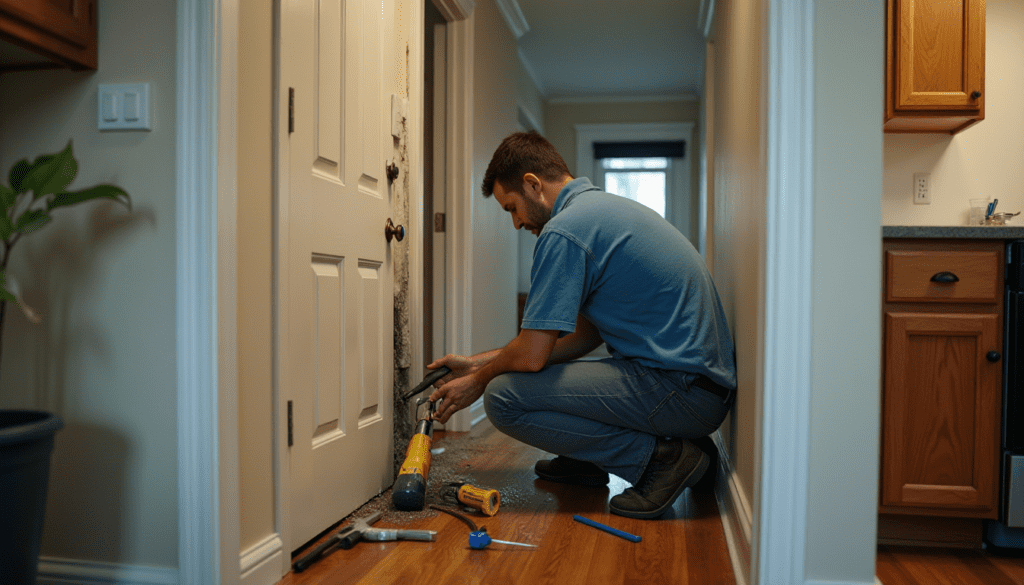
Tenant-caused wall damage is noticeably different. Large holes, deep dents, cracked drywall, or damage from improper mounting of televisions or shelves often require more extensive repairs. Excessive wall damage may involve replacing drywall sections rather than simple cosmetic fixes, which increases repair costs.
Another common issue involves unauthorized wall modifications. Removing doors, knocking down sections, or applying wallpaper or textured finishes without approval can significantly alter the unit’s condition. These changes usually require restoration work and are rarely considered normal wear.
Appliances: Aging vs Misuse and Neglect
Appliances naturally age with use, especially in long-term rentals. In Caldwell properties, it is normal for appliances like refrigerators, ovens, and dishwashers to show signs of cosmetic wear over time. Small scratches, faded finishes, or slightly noisy operation can all occur even when appliances are used properly.
Normal wear also includes reduced efficiency as appliances get older. A washing machine may not clean as powerfully as it once did, or a refrigerator may take longer to cool. These issues are typically related to age rather than tenant behavior.
Damage becomes a concern when appliances fail due to misuse or neglect. Broken shelves, cracked glass components, missing knobs, or damaged seals often result from improper handling. Leaving spills uncleaned for long periods can also cause permanent staining or corrosion.
Another factor is failure to report problems early. A small leak or malfunction that goes unreported can lead to more serious damage over time. When appliance issues escalate due to neglect, repairs may be attributed to tenant responsibility rather than routine replacement.
Plumbing Fixtures: Everyday Use vs Preventable Damage
Plumbing fixtures are designed to withstand daily use, so some changes over time are expected. In Caldwell rental units, slight mineral buildup on faucets, minor wear on handles, or gradual loosening of fixtures are common examples of normal wear and tear.
Bathrooms and kitchens experience frequent moisture exposure, which can naturally lead to aging caulking or light discoloration around drains. These conditions typically develop slowly and are addressed during regular maintenance cycles.
Preventable plumbing damage is usually more severe and often sudden. Cracked sinks, broken toilet seats, clogged drains from improper disposal, or damaged fixtures caused by excessive force are common examples. These issues often require immediate repair and are not considered part of normal aging.
Consistent care plays a major role in plumbing longevity. Simple habits like using drain covers, avoiding harsh chemicals, and reporting leaks early help prevent damage that could otherwise lead to deductions at move-out.
Windows, Doors, and Locks: Usage Over Time vs Breakage
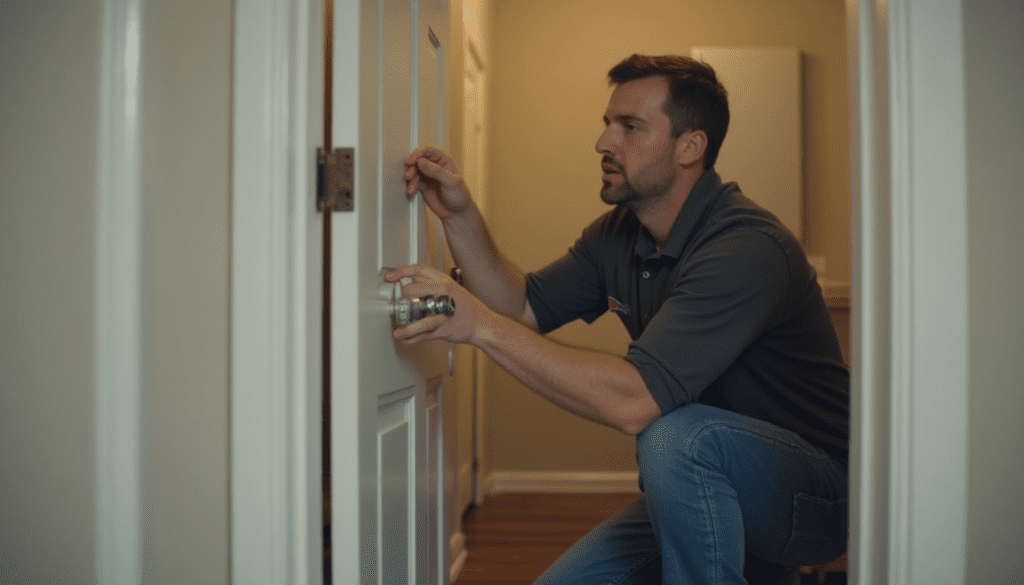
Windows, doors, and locks endure daily interaction, making them another area where wear is inevitable. In Caldwell apartments, doors may develop minor scuffs, hinges may loosen slightly, and locks may require occasional adjustment as part of normal wear and tear.
Window tracks can accumulate dust, and screens may show slight sagging over time. These conditions generally result from regular use and environmental exposure rather than tenant fault.
Damage becomes an issue when components are broken or missing. Shattered glass, bent frames, broken locks, or damaged door panels typically indicate misuse or accidents. Slamming doors repeatedly or forcing windows open can lead to costly repairs.
Security-related features are especially important. Broken locks or damaged doors can affect the safety of the unit, making prompt repair essential. When damage results from avoidable actions, it is usually classified as tenant-caused rather than normal wear.
Paint and Finishes: Fading, Chipping, and Unauthorized Changes
Paint is one of the most visible indicators of a rental unit’s condition, and it naturally changes over time. In Caldwell rentals, light fading from sunlight, minor scuffs near switches, and small chips around door frames are common signs of normal wear and tear. These changes typically occur even when tenants are careful and are usually addressed during routine repainting between occupants.
High-traffic areas such as hallways and living rooms tend to show paint wear faster than bedrooms or less-used spaces. Slight discoloration or dullness in these areas is generally expected and does not significantly impact the usability or value of the unit.
Problems arise when paint damage goes beyond surface-level wear. Large stains, crayon or marker drawings, and extensive peeling caused by improper humidity control are often considered tenant-caused. These issues usually require more than a simple touch-up and may involve full repainting or surface repair.
Unauthorized paint changes are another frequent concern. Painting walls in dark, bold, or non-neutral colors without approval often leads to additional labor and material costs to restore the original finish. Even well-applied paint can be considered damage if it deviates from the agreed-upon condition of the unit.
Carpets and Rugs: Traffic Wear vs Permanent Staining
Carpets and rugs absorb daily wear more than almost any other surface in a rental unit. In Caldwell apartments, flattened carpet fibers in walkways, slight discoloration from foot traffic, and gradual loss of texture are all typical signs of normal wear and tear.
These changes usually happen slowly and evenly, especially in areas like hallways, living rooms, and entryways. Regular vacuuming can help extend carpet life, but even well-maintained carpets eventually show signs of aging.
Permanent staining is a different matter. Spills that are not cleaned promptly, pet accidents, or dye transfer from furniture can leave marks that professional cleaning cannot remove. Burns from candles or irons and torn carpet edges also fall outside normal wear.
When carpet damage affects only a small area, repairs may be possible. However, widespread staining or damage often requires full replacement, which is why this category frequently becomes a point of dispute during move-out inspections.
Cleaning Standards at Move-Out: What’s Reasonable to Expect
Move-out cleaning expectations are often misunderstood. In Caldwell rental properties, tenants are generally expected to leave the unit in a reasonably clean condition, similar to how it was received. Light dust, minor residue, or faint marks that remain after normal cleaning usually fall under normal wear and tear.
Kitchens and bathrooms receive the most attention during inspections. Slight grease buildup in hard-to-reach areas or mild soap residue around fixtures can occur even with regular cleaning and is often addressed during standard turnover maintenance.
Excessive dirt, however, is another matter. Thick grease layers, food debris left behind, mold caused by lack of ventilation, or trash left in the unit are commonly considered tenant-caused issues. These conditions require deep cleaning beyond normal preparation for the next occupant.
Clear expectations and routine cleaning throughout the lease help minimize surprises at move-out. When cleanliness issues require professional services beyond basic cleaning, they are more likely to result in deductions.
How Property Condition Documentation Helps Avoid Disputes
Documentation plays a crucial role in distinguishing tenant damage from normal wear and tear. In Caldwell rentals, move-in condition reports and photos establish a baseline for how the unit looked at the start of the lease. This reference point makes comparisons at move-out far more objective.
Photos taken during move-in inspections should capture floors, walls, appliances, fixtures, and any existing imperfections. When both parties acknowledge these conditions early, misunderstandings are less likely later.
Ongoing documentation also matters. Recording maintenance requests, repairs, and upgrades throughout the lease helps show how the property evolved over time. This history can clarify whether an issue developed gradually or resulted from a specific incident.
Well-organized records create transparency and reduce emotional disagreements. When condition changes are clearly documented, discussions about responsibility tend to be more straightforward and fair.
Move-In and Move-Out Inspections: What Should Be Compared
Move-in and move-out inspections are most effective when they focus on direct comparisons rather than subjective opinions. In Caldwell apartments, inspectors typically review the same areas at both stages, including flooring, walls, appliances, and fixtures.
Normal wear is identified by gradual changes that align with everyday use. For example, a carpet that looks slightly duller than at move-in may reflect normal aging, while a carpet with new burn marks likely indicates damage.
Consistency is key. Using the same checklist and inspection method at both points ensures that evaluations remain balanced. When inspections are rushed or inconsistent, disputes become more likely.
Clear communication during these inspections also helps. Discussing observations openly can resolve questions on the spot rather than after the tenant has already moved out.
Repair Costs vs Depreciation: Understanding Value Loss Over Time
One of the most misunderstood aspects of rental property condition is how value changes over time. In Caldwell rental units, many items have a natural lifespan, and their value decreases with regular use. This process, often referred to as depreciation, affects how repair costs are viewed at move-out.
For example, flooring, paint, and appliances are not expected to remain in perfect condition indefinitely. If a carpet was already several years old at move-in, its remaining value is lower than that of a brand-new installation. Even if damage occurs, the cost attributed to a tenant may be reduced to reflect that reduced lifespan.
Normal wear and tear accelerates depreciation in a predictable way, while tenant damage can cause sudden loss of value. Understanding this difference helps explain why some repairs are considered part of routine property upkeep rather than tenant responsibility.
Evaluating condition through the lens of age and expected lifespan creates more balanced expectations. It reinforces the idea that deductions should reflect actual loss in value, not the full cost of upgrading or replacing aging materials.
Tips for Tenants to Avoid Being Charged for Damage
Tenants in Caldwell can take proactive steps to reduce the risk of disputes over damage. One of the most effective strategies is documenting the unit’s condition at move-in with photos and notes, even if an inspection is already conducted.
Routine care throughout the lease also makes a significant difference. Using furniture pads, cleaning spills promptly, and reporting maintenance issues early can prevent minor problems from becoming costly repairs.
Before moving out, tenants benefit from addressing small issues such as patching nail holes, replacing light bulbs, and giving the unit a thorough cleaning. These simple actions often prevent minor concerns from being misinterpreted as damage.
Clear communication is equally important. Asking questions about expectations early and keeping records of maintenance requests helps ensure that both sides share the same understanding.
Tips for Property Owners to Fairly Assess Property Condition
Property owners and managers in Caldwell can reduce conflict by setting clear expectations from the beginning of a lease. Providing detailed move-in condition reports and explaining what constitutes normal wear helps tenants understand their responsibilities.
Consistency in inspections is critical. Using the same criteria for every tenant and documenting conditions with photos promotes fairness and transparency. This approach also protects owners by creating a clear record of the property’s condition.
Regular maintenance throughout the lease benefits both parties. Addressing wear-related issues promptly prevents them from worsening and being mistaken for tenant damage later on.
Fair assessments focus on reasonableness rather than perfection. Recognizing the difference between aging and abuse supports long-term tenant relationships and smoother turnovers.
Preventing Confusion Through Clear Expectations and Maintenance
Most disputes over tenant damage versus normal wear and tear stem from unclear expectations rather than intentional wrongdoing. In Caldwell rental properties, clarity from the start helps prevent misunderstandings at the end of a lease.
Written guidelines, routine inspections, and open communication establish a shared understanding of how the property should be cared for. When both tenants and property owners know what to expect, evaluations feel more objective and less personal.
Maintenance plays a central role in this process. Regular upkeep reinforces the distinction between wear caused by time and damage caused by neglect. It also signals that the property is actively managed, which encourages responsible use.
By focusing on transparency, documentation, and reasonable standards, both sides can navigate move-out evaluations with greater confidence and fewer disputes.
Frequently Asked Questions About Wear and Tear in Caldwell Rentals
Can small nail holes be deducted from a security deposit?
In most Caldwell rental situations, small nail holes from hanging pictures are considered normal wear and tear, especially when the number is reasonable and the walls are otherwise well maintained. These minor imperfections are typically addressed during standard repainting between tenants rather than charged as damage.
Is carpet replacement always considered tenant damage?
No, carpet replacement is not automatically tenant damage. If the carpet has reached the end of its expected lifespan or shows even wear from regular foot traffic, replacement is usually considered routine maintenance. Charges are more likely when carpets have permanent stains, burns, or damage that goes beyond normal use.
What if an appliance stops working near the end of a lease?
Appliances can fail due to age rather than misuse. If an appliance shows signs of aging and has been used properly, it is generally treated as normal wear. Issues tied to neglect or improper use are more likely to be classified as tenant-caused.
Do tenants need to repaint before moving out?
Tenants are usually not expected to repaint for normal fading or minor scuffs. Repainting may be necessary if walls were painted unauthorized colors or if there is excessive damage that goes beyond ordinary wear.
How can disputes over damage be reduced?
Clear documentation, consistent inspections, and open communication throughout the lease are the most effective ways to reduce disputes. When expectations are established early and conditions are well recorded, move-out evaluations tend to be far smoother.
If you’re navigating a move-out or preparing a rental for new occupants in Caldwell, understanding the difference between tenant damage and normal wear can save time, stress, and unnecessary costs. Clear expectations, proper documentation, and proactive maintenance make the process smoother for everyone involved and help protect the long-term value of the property.