


Understanding the difference between tenant damage and normal wear and tear is one of the most common challenges rental property owners face in Verona NJ. Many disputes over security deposit deductions don’t start because of bad intentions, but because of confusion. What feels like “damage” to a property owner may simply be the result of everyday living. On the other hand, some conditions clearly go beyond normal use and directly impact a property’s value and readiness for the next tenant.
This guide is designed to help Verona NJ landlords and property owners clearly recognize the difference between wear and tear and tenant-caused damage using real-world rental scenarios. By knowing what to expect, how to evaluate property condition, and how to document changes properly, you can reduce disputes, protect your rental investment, and maintain professional relationships with tenants.
Why This Distinction Matters for Rental Owners
The distinction between tenant damage and normal wear and tear plays a major role in how rental properties are managed, maintained, and turned over between tenants. Every rental unit experiences aging. Floors scuff, paint fades, and fixtures loosen over time. These changes are expected and unavoidable when a property is lived in, even by the most careful tenants.
Problems arise when routine aging is treated the same as avoidable damage. Charging tenants for normal wear often leads to disputes, negative reviews, and strained relationships. At the same time, failing to recognize true tenant damage can leave property owners absorbing unnecessary repair costs that affect cash flow and long-term property value.
For landlords in Verona NJ, having a clear internal standard for evaluating property condition helps create consistency across all rentals. It also ensures deductions are based on condition, not emotion. When expectations are clear from the beginning, both parties are more likely to feel treated fairly at move-out.
Security Deposit Deductions in Verona NJ Rentals
Security deposits exist to protect rental properties from losses caused by tenant negligence, misuse, or excessive damage. They are not intended to cover routine maintenance or updates that naturally occur as a property ages. This is where confusion often begins.
Many property owners assume that anything requiring repair after move-out should be deducted. In reality, deductions should be tied to conditions that exceed normal living impact. Understanding this distinction helps ensure deductions are reasonable, defensible, and clearly justified.
In Verona NJ, rental properties range from older multi-family buildings to newly renovated homes. Each property type experiences wear differently. Carpet in a third-floor walk-up will age faster than tile in a single-family home. Recognizing these variables is key when evaluating whether a condition falls under wear and tear or tenant damage.
What Normal Wear and Tear Typically Looks Like
Normal wear and tear refers to the gradual deterioration of a rental unit that occurs through everyday use, even when tenants are responsible and careful. These changes happen naturally over time and do not indicate abuse or neglect.
For example, paint may lose its brightness due to sunlight exposure, or minor scuffs may appear on walls from furniture being moved. Flooring may show signs of foot traffic, and door handles may loosen after years of use. These are expected outcomes of occupancy and should be anticipated when managing rental properties.
Understanding what qualifies as normal wear and tear helps landlords budget for routine maintenance and avoid unfairly charging tenants for unavoidable aging. It also helps tenants feel confident that they are not being penalized for simply living in the space.
Common Examples of Wear and Tear in Verona Rentals
In Verona NJ rentals, common wear and tear examples vary based on property age, materials, and length of tenancy. Paint fading or minor nail holes from hanging pictures are among the most frequent conditions seen during move-out inspections.
Light carpet matting in high-traffic areas, slight grout discoloration in bathrooms, and gently worn cabinet hinges are also typical. These issues usually develop slowly and evenly, rather than appearing suddenly or in isolated areas.
Appliances may show cosmetic aging, such as small scratches or worn buttons, while still functioning properly. Window blinds may bend slightly, and screens may loosen over time. These conditions reflect normal use rather than misuse.
Identifying Tenant Damage That Exceeds Wear and Tear
Tenant damage occurs when a property’s condition is negatively affected by actions that go beyond reasonable use. This type of damage is typically avoidable and often appears as sudden, severe, or localized issues rather than gradual aging.
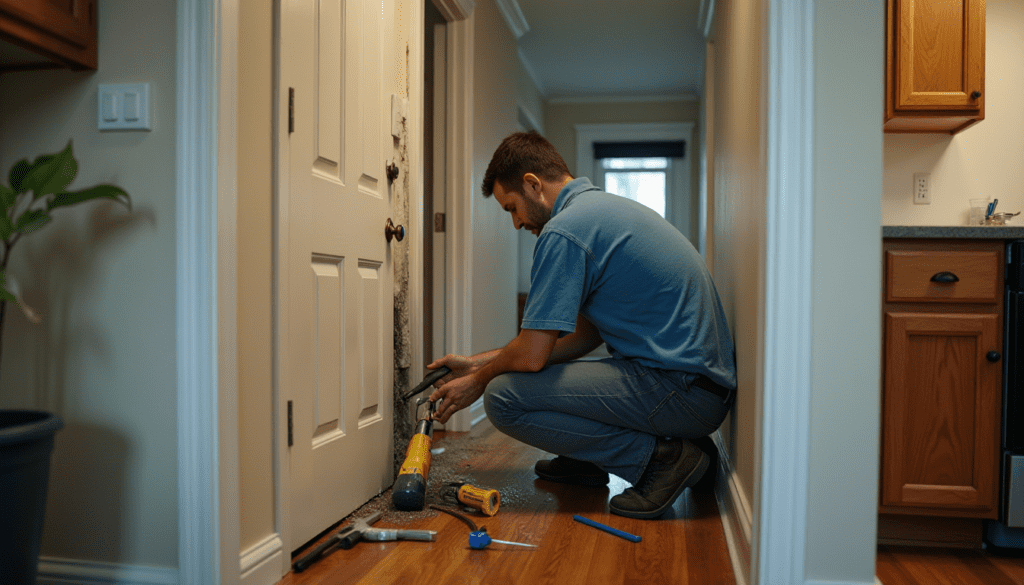
Examples include large holes in walls, broken doors, missing fixtures, cracked tiles, or stained carpets caused by spills or pets. Unlike wear and tear, tenant damage often requires immediate repair before the unit can be re-rented.
In Verona NJ rentals, tenant damage frequently shows up during move-out inspections when furniture is removed and cleaning begins. Burns on countertops, broken window panes, damaged appliances, or unauthorized alterations are strong indicators of tenant-caused damage.
Distinguishing between wear and tear and tenant damage requires consistency, documentation, and experience. Property owners who rely on visual comparisons, condition photos, and standardized inspection checklists are better equipped to make fair and defensible decisions.
By applying the same evaluation criteria across all rentals, Verona NJ landlords can reduce disputes, maintain professional standards, and protect their investment while ensuring tenants are treated fairly.
Understanding these differences early sets the foundation for smoother inspections, clearer communication, and more effective property management throughout the rental lifecycle.
Practical Examples of Tenant-Caused Damages
Tenant-caused damage becomes easier to identify when you look at how and why the issue occurred. Unlike wear and tear, which develops slowly, damage often appears suddenly or results from a specific action. In many Verona NJ rentals, these problems stand out during move-out because they disrupt the overall condition of the unit.
Large holes in drywall from mounted televisions, damaged doors from force, or broken cabinet faces are common examples. These are not the result of time or normal living, but of direct impact or misuse. Flooring damage such as deep scratches, cracked tiles, or water damage caused by neglect also falls into this category.
Another frequent issue is excessive filth or staining. Carpets saturated with pet urine, countertops burned by hot cookware, or appliances damaged due to improper use often require replacement rather than simple maintenance. These conditions typically reduce the rental’s marketability and delay re-renting.
Understanding these real-world examples allows property owners to make objective decisions instead of relying on assumptions. When damage clearly exceeds everyday use, it becomes easier to justify repair costs deducted from the security deposit.
How Inspections Help Clarify Wear and Tear vs Damage
Routine inspections are one of the most effective tools for distinguishing tenant damage from normal wear and tear. Inspections create a timeline of property condition, showing how the unit changes over the course of a tenancy rather than only at move-out.
Move-in inspections establish a baseline condition. When documented properly, they show what existed before the tenant took possession. Periodic inspections during occupancy can reveal emerging issues early, such as moisture problems, unauthorized alterations, or maintenance concerns that could later escalate into damage.
At move-out, inspection comparisons become invaluable. If a condition existed at move-in and simply worsened gradually, it may fall under wear and tear. If it appears suddenly or dramatically, it is more likely tenant damage. This comparison-based approach reduces subjectivity and strengthens documentation.
Documenting Property Condition the Right Way
Documentation is the backbone of fair and defensible security deposit decisions. Written notes alone are rarely enough. Photos, timestamps, and consistent checklists help create a clear visual record of the property’s condition.
For Verona NJ landlords, documentation should be thorough but practical. Each room should be photographed at move-in and move-out, focusing on walls, floors, fixtures, appliances, and high-use areas. Close-up images of existing flaws help prevent future disagreements.
Notes should describe condition, not opinions. Instead of writing “wall damaged,” note “three-inch hole behind bedroom door.” This level of detail helps differentiate between aging and damage while maintaining a professional standard.
Capturing Photos and Notes During Move-In and Move-Out
The quality of your photos and notes directly impacts how clearly you can support deductions. Lighting, angles, and consistency matter. Taking photos from the same positions at move-in and move-out makes comparisons straightforward.
Photos should include wide shots of entire rooms as well as close-ups of vulnerable areas like corners, baseboards, sinks, and appliances. Including date stamps or storing images in organized folders labeled by address and tenancy helps keep records accessible.
Written notes should follow the same structure every time. Using standardized inspection forms reduces missed details and ensures no area is overlooked. Over time, this system becomes faster and more reliable, especially for landlords managing multiple properties.
How Security Deposit Deductions Are Typically Evaluated
When evaluating deductions, the goal is to determine whether a repair restores the property from tenant damage or simply updates an aging feature. Repairs tied to damage are usually chargeable, while updates related to normal wear are part of ongoing maintenance.
For example, repainting a wall due to severe staining or unauthorized paint colors may be deductible. Repainting faded walls after a long tenancy is generally not. Replacing a broken appliance caused by misuse differs from replacing one that failed due to age.
Examples of Costs That Can Be Withheld
Security deposit deductions are most defensible when they are tied directly to tenant-caused damage that affects the condition, safety, or functionality of the rental unit. These costs typically arise when repairs go beyond routine maintenance and are necessary to restore the property to a rentable condition.
In Verona NJ rentals, common deductible costs include repairing large holes in walls, replacing broken doors or windows, fixing damaged countertops, or restoring flooring that has been cracked, stained, or warped due to misuse. These repairs are usually required immediately and would not have been needed if the property had been used responsibly.
Other examples include appliance repairs caused by improper use, replacement of missing fixtures, or professional cleaning needed to address excessive filth, strong odors, or pet-related damage. These costs are directly tied to tenant actions rather than time or age.
Examples of Costs That Cannot Be Withheld
Costs associated with normal wear and tear should not be deducted from a tenant’s security deposit. These expenses are part of the natural lifecycle of a rental property and should be anticipated by landlords as part of regular upkeep.
In many Verona NJ properties, non-deductible costs include repainting walls that have faded, replacing worn carpet after long-term use, tightening loose handles, or addressing minor scuffs and scratches. These issues develop gradually and do not reflect negligence or abuse.
Replacing aging appliances, updating outdated fixtures, or refreshing finishes to improve market appeal also fall under maintenance rather than damage. Even if these updates are completed after move-out, they are not caused by tenant behavior.
Tips to Minimize Disputes With Tenants
Clear communication is one of the most effective ways to prevent disagreements over security deposit deductions. Setting expectations early helps tenants understand their responsibilities and what condition the property should be returned in.
Providing tenants with a move-in condition report and explaining how wear and tear differs from damage creates transparency. Encouraging tenants to report maintenance issues promptly can also prevent small problems from turning into costly repairs.
At move-out, sharing inspection findings and documentation reduces confusion. When tenants can see before-and-after photos, they are more likely to understand how conclusions were reached, even if they disagree.
How to Communicate Deductions Clearly and Professionally
When deductions are necessary, clarity and professionalism matter. Itemized explanations that list each repair, its cause, and associated cost help tenants understand exactly why money was withheld.
Using neutral, factual language instead of emotional or accusatory wording keeps communication productive. Phrases that describe condition rather than blame help maintain professionalism and reduce escalation.
In Verona NJ, landlords who approach deposit deductions as a documentation-based process rather than a personal dispute often experience fewer challenges and smoother turnovers.
Preparing the Unit for the Next Tenant
Once deductions are evaluated and repairs are completed, preparing the rental for the next tenant becomes the priority. Addressing both damage repairs and routine maintenance ensures the unit remains competitive in the local rental market.
Touch-up painting, professional cleaning, and safety checks help reset the unit while maintaining consistency across tenancies. Even when damage occurs, using it as an opportunity to improve durability can reduce future wear.
Well-maintained rentals not only attract better tenants but also reduce long-term maintenance costs by addressing issues proactively.
Tools and Checklists That Support Fair Evaluations
Standardized tools help remove subjectivity from inspections and deposit decisions. Move-in and move-out checklists, photo documentation templates, and maintenance logs create a repeatable system.
For Verona NJ landlords managing multiple properties, these tools save time and ensure every unit is evaluated using the same criteria. Over time, patterns emerge that make wear and tear easier to predict and budget for.
Frequently Asked Questions About Wear and Tear vs Damage
Is faded paint considered tenant damage?
Faded paint is one of the most common examples of normal wear and tear in rental properties. Sun exposure, aging materials, and everyday living naturally cause paint to lose brightness over time. In Verona NJ rentals, this is especially common in rooms with large windows or high daily use. Fading that occurs evenly across walls is typically not the result of tenant misuse.
Are nail holes from hanging pictures considered damage?
Small nail holes or minor wall anchors used to hang pictures are generally viewed as normal wear and tear. These minor marks are expected in lived-in spaces and are usually addressed during routine repainting. However, excessive holes, large anchors, or wall damage caused by mounted televisions may cross into tenant damage depending on severity.
What about carpet wear in high-traffic areas?
Carpet wear along walkways, near entrances, or in frequently used rooms is usually considered normal wear and tear, especially after longer tenancies. Gradual matting or color changes from foot traffic are expected. Deep stains, burns, tears, or odors caused by spills or pets are more likely to be classified as tenant damage.
Can broken appliances ever be considered wear and tear?
Appliances naturally age and may stop functioning due to normal use over time. When an appliance fails due to age or internal wear, it is typically not tenant damage. However, broken components caused by misuse, neglect, or improper operation may be considered damage rather than wear.
How long does normal wear and tear take to appear?
Normal wear and tear develops gradually. The longer a tenant occupies a rental, the more visible wear becomes. Short-term tenancies usually show minimal wear, while long-term rentals naturally accumulate more signs of aging. This timeline helps property owners evaluate whether a condition is reasonable given the length of occupancy.
Why Consistency Matters for Verona NJ Property Owners
Consistency is one of the most important factors when evaluating rental property condition. Applying the same standards to every unit and every tenant helps eliminate confusion and protects property owners from disputes. When tenants see that evaluations are systematic rather than subjective, trust increases.
For Verona NJ landlords, consistency also improves efficiency. Standard inspection processes, documentation methods, and evaluation criteria reduce guesswork and save time. Over time, this consistency makes it easier to anticipate maintenance needs and budget appropriately.
Properties managed with clear standards tend to experience smoother turnovers, fewer disagreements, and stronger long-term performance.
Building Better Tenant Relationships Through Transparency
Clear expectations benefit everyone involved. When tenants understand what is considered normal wear and tear versus damage, they are more likely to take care of the property and report issues early.
Providing guidance at move-in, maintaining open communication during the tenancy, and explaining inspection findings at move-out all contribute to a more positive experience. Transparency reduces misunderstandings and helps tenants feel respected throughout the rental process.
In many cases, disputes are avoided simply because tenants are informed and included rather than surprised.
Supporting Your Rental Investment Long Term
Understanding tenant damage versus normal wear and tear is not just about security deposits. It’s about protecting the long-term condition and value of your rental property. Regular maintenance, timely repairs, and fair evaluations keep properties competitive and attractive.
Well-maintained rentals experience less severe damage, lower vacancy rates, and better tenant retention. Over time, these benefits translate into stronger returns and fewer operational headaches.
For Verona NJ property owners, taking a proactive, informed approach to wear and tear versus damage is one of the simplest ways to improve overall property performance.
If you want professional support with inspections, documentation, tenant communication, or rental turnover evaluations in Verona NJ, working with an experienced property management team can help streamline the process and reduce risk while protecting your investment.