

Understanding the difference between tenant damage and normal wear and tear is one of the most common sources of confusion for both renters and property owners in Newark, New Jersey. Security deposit deductions often become disputed not because of bad intentions, but because expectations are unclear. What one person considers everyday use, another may see as damage. This article breaks down these differences clearly, using practical, real-world examples that reflect how rental properties are actually lived in.
If you rent or manage property in Newark NJ, knowing how wear and tear is evaluated can help prevent disagreements, reduce move-out stress, and create smoother transitions between tenants. Whether you are preparing to move out or reviewing a unit after a tenancy ends, this guide focuses on clarity, documentation, and realistic standards rather than assumptions.
What Tenants and Landlords Need to Know
Every rental unit changes over time. Carpets flatten, paint fades, appliances age, and fixtures show signs of use. These changes are expected and unavoidable when a home is occupied responsibly. Problems arise when wear from normal living is confused with damage caused by neglect, misuse, or accidents.
For tenants in Newark NJ, understanding what is typically considered normal wear and tear helps set realistic expectations about security deposit returns. For landlords and property managers, applying consistent standards protects against disputes and builds trust. Most disagreements do not come from major destruction, but from smaller items like wall marks, cleaning issues, or worn flooring.
The key idea is reasonableness. A rental property is not expected to look brand new after years of occupancy, but it should not be left in worse condition than normal use would cause. This balance is what defines the difference between wear and tear and tenant damage.
How Security Deposits Work in Newark NJ
A security deposit exists to cover specific types of losses that may occur during a tenancy. It is not a bonus fund or a general maintenance account. In Newark NJ, deposits are commonly used to address unpaid rent, excessive cleaning beyond standard turnover, and repairs for damage that goes beyond everyday use.
During move-out, the condition of the unit is typically compared to its condition at move-in, taking into account the length of occupancy. A tenant who lived in an apartment for five years will naturally leave more signs of use than someone who lived there for one year. This time factor plays a major role in determining whether something qualifies as wear and tear or damage.
Clear documentation makes this process smoother. Photos, checklists, and written condition reports help establish what existed before move-in and what changed over time. Without this context, assumptions often lead to disagreements, especially when expectations were never aligned at the start.
Why Distinguishing Wear and Tear Matters
The distinction between tenant damage and normal wear and tear directly affects security deposit deductions. When these categories are misunderstood, tenants may feel unfairly charged, while landlords may feel unprotected from legitimate repair costs. Clear separation between the two creates fairness on both sides.
Wear and tear reflects ordinary use of the property. These are changes that happen even when a tenant is careful and respectful. Damage, on the other hand, usually results from carelessness, accidents, unauthorized alterations, or failure to report issues that worsen over time.
For Newark rental properties, where units may experience frequent turnover and heavy use, applying consistent standards helps maintain long-term property value. It also reduces vacancy time by ensuring repairs are handled promptly and appropriately rather than becoming points of contention.
Everyday Wear and Tear: Common Examples
Normal wear and tear includes gradual deterioration that occurs through everyday living. These changes are expected and generally should not result in security deposit deductions. Examples include lightly scuffed walls from furniture, small nail holes from hanging pictures, faded paint due to sunlight, and worn carpet in high-traffic areas.
Appliances may show signs of age, such as minor scratches or reduced efficiency over time. Door handles may loosen, cabinet hinges may need adjustment, and grout may discolor slightly. These are maintenance items that occur regardless of who lives in the unit.
In Newark NJ apartments, wear and tear often reflects the realities of city living. Entryways may show more floor wear, windows may experience condensation marks, and common-use items may age faster. None of these automatically indicate tenant negligence.
Tenant Damage: What Landlords Can Deduct
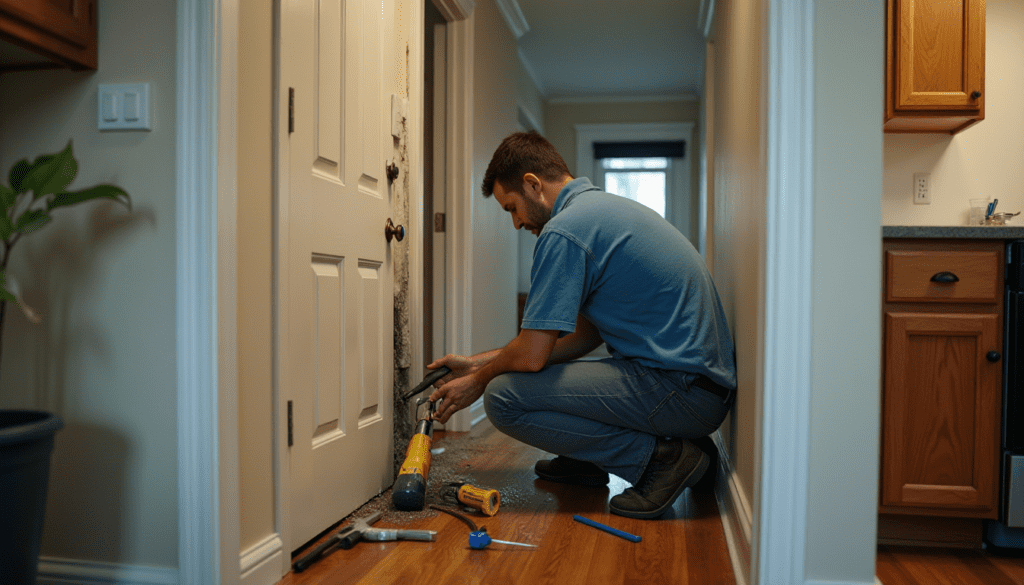
Tenant damage goes beyond normal use and typically results from misuse, accidents, or neglect. Examples include large holes in walls, broken windows, damaged doors, missing fixtures, severe stains, or pet-related destruction such as scratched flooring or chewed trim.
Excessive filth that requires deep cleaning beyond standard turnover may also be considered damage rather than wear. This includes grease buildup, trash left behind, or bathrooms left in unsanitary condition. These situations require additional labor and materials, which is why they are treated differently.
Another important factor is failure to report issues. A small leak that goes unreported and later causes extensive water damage may be viewed as tenant-related damage due to inaction. Timely communication plays a role in how responsibility is assessed.
When damage is identified, itemized documentation helps explain why deductions are made. Transparency reduces misunderstandings and provides a clear connection between the condition of the unit and any costs applied.
Protect your deposit and reduce disputes by understanding expectations early, documenting conditions carefully, and using a clear move-out checklist to guide the final walkthrough.
Cleaning vs Wear and Tear — What’s Allowed
Cleaning is one of the most misunderstood areas when it comes to security deposit deductions in Newark NJ. Many tenants assume that leaving a unit “used but not dirty” is acceptable, while many landlords expect a unit to be returned close to move-in condition. The reality usually falls somewhere in between.
Light dust, minor soap residue, or ordinary buildup that can be addressed through standard turnover cleaning generally falls under normal wear and tear. These are conditions expected after months or years of occupancy and are part of routine property maintenance. Examples include light dust on baseboards, minor water spots on bathroom fixtures, or normal kitchen grease film from everyday cooking.
Cleaning becomes deductible when it crosses into excessive or abnormal conditions. Thick grease on walls, food residue inside appliances, stained toilets, mold caused by lack of ventilation, or trash left behind require additional labor and specialized cleaning. In these cases, costs may reasonably be deducted because the unit was not left in a rentable condition.
One helpful way to avoid confusion is to compare cleaning expectations to how a hotel room is returned. Basic use is expected, but excessive mess or damage is not. Clear move-out guidelines and photo documentation reduce misunderstandings and help both sides align expectations.
Itemized Deductions: What to Expect
When deductions are made from a security deposit, clarity matters. Tenants often feel frustrated when they receive a reduced deposit without understanding why. Itemized deductions provide transparency by showing what was repaired, cleaned, or replaced, along with associated costs.
For Newark NJ rental properties, itemized lists commonly include line items such as wall repair, carpet replacement, appliance cleaning, or fixture replacement. Each item should correspond to a specific condition observed during the move-out inspection. This approach connects the deduction directly to the condition of the unit rather than leaving room for assumptions.
Itemization also benefits landlords and property managers. Clear records help justify deductions, reduce disputes, and demonstrate consistency across tenants. When documentation aligns with move-in condition reports and photos, disagreements are far less likely to escalate.
Tenants reviewing itemized deductions should compare them with their own records. Photos taken at move-in and move-out are especially valuable. They help confirm whether a condition existed previously or developed during the tenancy.
Documentation Importance at Move-In and Move-Out
Documentation is the foundation of fair security deposit handling. Without it, determining whether something qualifies as tenant damage or normal wear and tear becomes subjective. With it, expectations are clear and disputes are minimized.
At move-in, tenants should take detailed photos and videos of every room, paying close attention to walls, floors, appliances, and fixtures. Small details matter. Scuffs, stains, and existing damage should be captured and saved. This creates a baseline condition record that protects both parties.
At move-out, repeating the same documentation process provides a direct comparison. Any changes can be evaluated in context, taking into account the length of occupancy and normal use. This side-by-side perspective makes it easier to distinguish wear from damage.
For landlords and property managers in Newark NJ, standardized checklists help maintain consistency across units. When every inspection follows the same process, decisions feel more objective and less personal, which improves trust and communication.
Protect your deposit and reduce disputes by understanding expectations early, documenting conditions carefully, and using a clear move-out checklist to guide the final walkthrough.
Examples: Walls and Paint
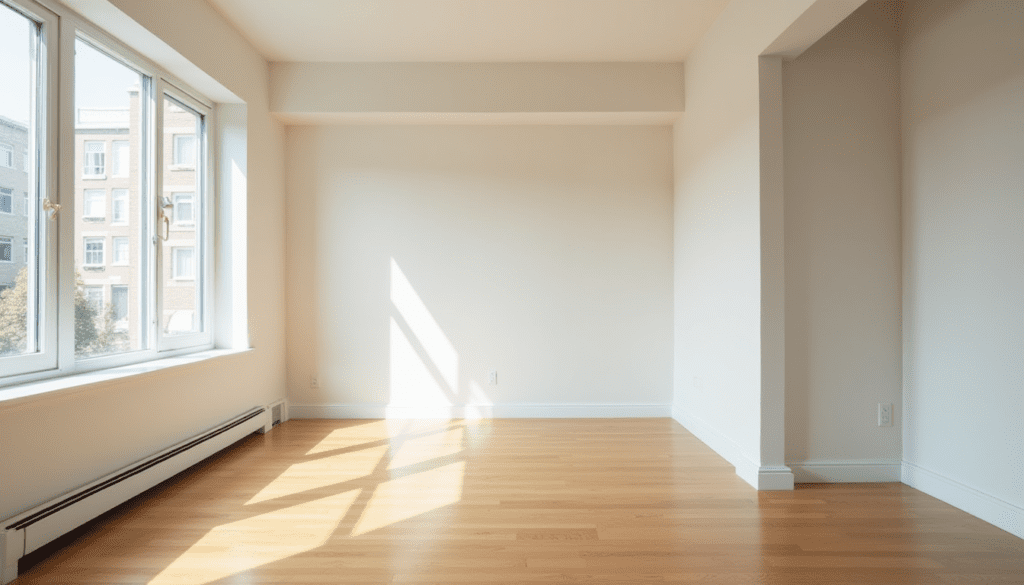
Walls and paint are among the most common sources of disagreement when determining tenant damage versus normal wear and tear in Newark NJ rentals. Over time, walls naturally accumulate minor scuffs from furniture, light marks from daily movement, and small nail holes from hanging artwork or shelving. These changes are typical of normal living and are generally considered wear and tear, especially after a multi-year tenancy.
Paint fading is another example of expected wear. Sunlight exposure, humidity, and aging materials can all cause paint to lose vibrancy. Even careful tenants cannot prevent this. Touch-ups and repainting between tenancies are standard turnover tasks and usually not a reason for deductions.
Damage occurs when wall conditions go beyond light cosmetic issues. Large holes, unapproved paint colors, permanent marker drawings, water damage caused by neglect, or excessive patching that was done poorly may be considered tenant damage. These situations require additional labor and materials to restore the wall to a rentable condition.

The length of the tenancy matters greatly. A few scuffs after several years look very different from extensive wall damage after a short lease. Context helps determine whether repainting is routine maintenance or repair caused by tenant actions.
Examples: Flooring and Carpets
Flooring shows wear faster than most parts of a rental unit, particularly in Newark NJ apartments where foot traffic, weather conditions, and daily use are unavoidable. Carpet fibers flatten over time, hardwood floors develop surface scratches, and vinyl or tile flooring may lose some shine. These changes are normal and expected.
High-traffic areas such as hallways, entryways, and living rooms will always show more wear. Light stains, minor discoloration, and gradual fading are part of normal wear and tear, especially when the carpet has reached the later stages of its useful life.
Flooring becomes tenant damage when there are large, deep stains, burns, torn carpet, broken tiles, or water damage caused by spills that were not reported. Pet-related stains that penetrate padding or subflooring often fall into this category as well.
One important consideration is depreciation. Flooring materials have a limited lifespan. Charging a tenant the full replacement cost for older flooring may not be reasonable if the material was already near the end of its expected use. Comparing move-in and move-out condition helps clarify responsibility.
Examples: Fixtures, Doors, and Windows
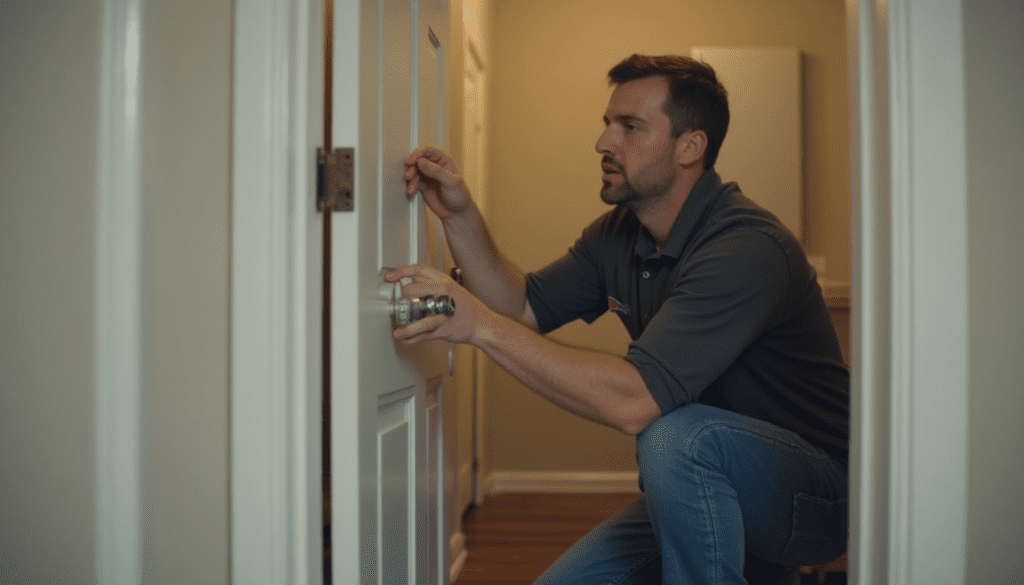
Fixtures, doors, and windows experience daily handling and naturally loosen or age over time. Door handles may wobble, cabinet hinges may need tightening, and window tracks may accumulate dust or become harder to slide. These are typical maintenance issues associated with normal wear and tear.
Minor scratches on doors, light dents, or worn finishes on handles are also expected, particularly in long-term rentals. These cosmetic changes do not usually affect functionality and are often addressed during routine maintenance.
Damage occurs when fixtures are broken, missing, or altered. Examples include shattered windows, doors removed or damaged by force, broken locks, or fixtures that were replaced without authorization. These conditions typically require repair or replacement beyond standard upkeep.
As with other areas, documentation is essential. Photos from move-in help show whether an issue existed previously, while move-out photos clarify what changed during the tenancy.
Pet-Related Damage vs Normal Use
Pets add another layer of complexity when evaluating wear and tear. Some signs of pet occupancy are considered normal, such as light fur accumulation or minor wear on flooring from walking. These conditions can often be resolved through standard cleaning.
Pet-related damage includes scratched doors or trim, urine stains that penetrate flooring, chewed baseboards, or persistent odors that require specialized treatment. These issues go beyond normal wear and tear because they involve physical damage or conditions that prevent the unit from being re-rented without significant work.
Responsible pet ownership includes reporting accidents promptly and addressing issues before they worsen. Early communication can prevent minor problems from becoming costly repairs and helps protect the security deposit.
How to Prepare a Move-Out Inspection Checklist
A move-out inspection checklist is one of the most effective tools for reducing disputes over security deposit deductions. It provides a structured way to review each area of the unit and ensures nothing is overlooked.
Tenants should clean thoroughly, remove personal belongings, and address small issues such as replacing light bulbs or patching minor nail holes. Walking through the unit room by room helps identify any concerns before the final inspection.
Landlords and property managers benefit from using consistent checklists across all properties. This approach creates uniform standards and helps ensure that wear and tear is evaluated fairly from one tenant to the next.
Tips to Avoid Disputes Over Deductions
Most security deposit disputes in Newark NJ can be avoided with proactive communication and realistic expectations. Problems often arise when tenants and landlords do not share the same understanding of what the unit should look like at move-out. Setting expectations early and reinforcing them throughout the tenancy makes a significant difference.
Tenants can reduce issues by reporting maintenance concerns promptly instead of waiting until move-out. Small problems, such as leaks or loose fixtures, can become larger and more expensive if ignored. Addressing them early helps prevent situations where damage is attributed to neglect rather than normal wear.
Landlords and property managers should provide clear move-out guidelines well before the lease ends. Written checklists, examples, and reminders help tenants prepare properly and reduce surprises. When both sides know what is expected, disputes become far less common.
How and When Security Deposits Are Returned
After a tenant moves out, the security deposit process enters its final stage. The unit is inspected, conditions are documented, and any deductions are calculated. In Newark NJ, this period is critical because it sets the tone for how the tenancy concludes.
Tenants should expect clear communication during this time. If deductions are made, they should be tied directly to specific conditions identified during the inspection. Itemized explanations help clarify why funds were withheld and reduce confusion.
Keeping copies of all communication, inspection reports, and photos ensures that both parties have records if questions arise later. Transparency and organization at this stage help prevent lingering disputes and foster professional relationships.
What to Do if You Disagree With a Deduction
Disagreements over security deposit deductions can feel stressful, but they do not have to escalate immediately. The first step is reviewing the itemized list and comparing it with your move-in and move-out documentation. Many misunderstandings are resolved by looking at photos side by side.
Clear, written communication is essential. Politely asking for clarification or additional documentation often resolves concerns without further conflict. Keeping discussions factual and focused on documented conditions helps maintain professionalism.
If disagreements persist, tenants may choose to seek guidance through official resources such as the New Jersey Courts landlord-tenant information center, which provides general guidance on deposit handling and dispute resolution.
Best Practices for Landlords and Tenants
Consistency is one of the most effective ways to manage wear and tear expectations. When landlords apply the same standards across all units and tenants, decisions feel more objective and fair. Standardized inspections, checklists, and documentation practices support this approach.
Tenants benefit from treating the rental as a shared responsibility. Respectful use, prompt reporting of issues, and thorough move-out preparation go a long way in protecting the security deposit and maintaining positive references.
For Newark NJ rental properties, professional property management practices help bridge the gap between expectations and reality. Clear processes protect both sides and keep turnover smooth.
Resources for Further Help in Newark NJ
Reliable information helps tenants and landlords navigate security deposit concerns with confidence. The New Jersey Courts landlord-tenant resource center offers general guidance on deposits, inspections, and dispute handling. Property management resources such as Hemlane and NJ Property Manager also provide practical insights into wear and tear standards and cleaning expectations.
For additional support, tenants and property owners may explore educational articles, move-out checklists, and rental maintenance resources to better understand responsibilities and best practices.
Frequently Asked Questions About Wear and Tear in Newark NJ
What is the difference between tenant damage and normal wear and tear?
The difference comes down to cause and reasonableness. Normal wear and tear results from everyday use of a rental unit over time, even when a tenant is careful. Tenant damage usually involves negligence, misuse, accidents, or failure to report issues that worsen. Understanding this distinction helps avoid confusion during security deposit deductions.
Can cleaning costs be deducted from a security deposit?
Routine turnover cleaning that addresses normal use is generally considered part of regular maintenance. However, excessive cleaning caused by heavy buildup, trash left behind, or unsanitary conditions may be treated as tenant damage. Property management resources such as NJ Property Manager explain how cleaning expectations are commonly evaluated.
Do landlords need to explain why money was deducted?
Clear explanations help prevent disputes. Itemized deductions show what repairs or cleaning were necessary and why. Transparency benefits both tenants and landlords by connecting deductions to specific conditions documented during inspections.
Are nail holes considered damage?
Small nail holes from hanging pictures are usually considered normal wear and tear, especially after long-term occupancy. Large holes, anchors, or excessive wall damage may be treated differently if they require significant repair.
How can tenants protect themselves from unfair deductions?
Thorough documentation is the most effective protection. Photos and videos taken at move-in and move-out provide objective evidence of the unit’s condition. Comparing these records helps clarify whether changes fall under wear and tear or damage.
Where can I find reliable information about security deposits in New Jersey?
The New Jersey Courts landlord-tenant resource center offers general guidance on security deposits, inspections, and dispute resolution. Educational platforms like Hemlane also provide practical explanations of how wear and tear is typically handled.