

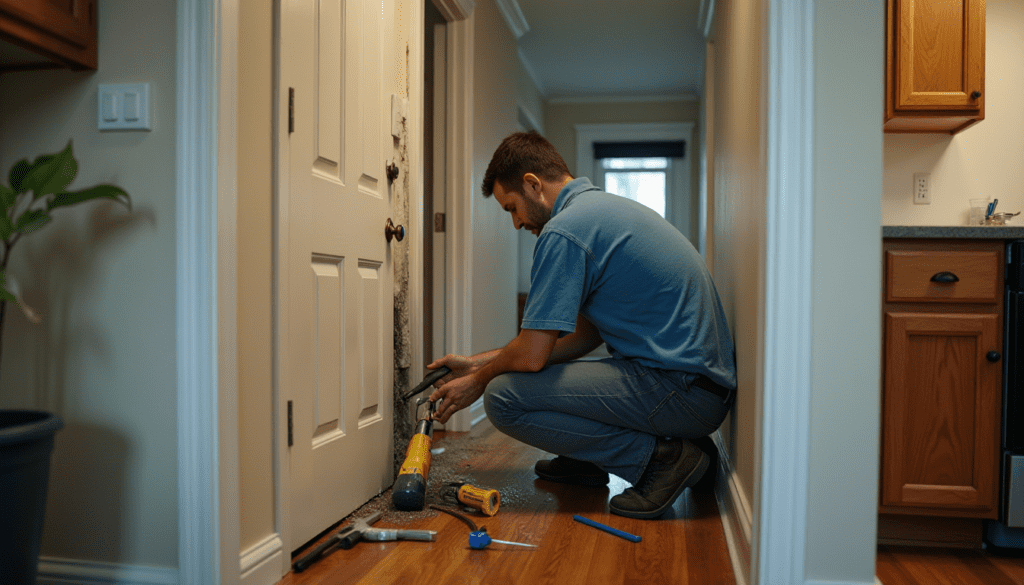

Understanding the difference between tenant damage and normal wear and tear is one of the most common — and most costly — challenges landlords face in Essex County, New Jersey. Security deposit disputes often arise not because of bad intentions, but because landlords and tenants have very different expectations of what is considered “normal” after a lease ends.
In Essex County’s competitive rental market, where many properties experience frequent turnover, knowing how to properly assess condition, document issues, and justify deductions is essential. This guide breaks down real-world scenarios landlords deal with every day, helping you confidently determine what can and cannot be deducted from a tenant’s security deposit while protecting your investment and reducing disputes.
Whether you manage a single-family home in Montclair, a multifamily building in Newark, or a condo in Bloomfield, the principles discussed below apply across Essex County rentals. The goal is clarity, consistency, and professionalism — not conflict.
Why Understanding the Difference Matters for Essex County Landlords
At first glance, wear and tear versus damage may seem straightforward. In reality, it’s one of the most misunderstood aspects of rental property management. Landlords who misclassify wear and tear as damage often face tenant disputes, delayed turnovers, or even legal challenges. On the other hand, failing to identify legitimate tenant-caused damage can result in thousands of dollars in unrecovered repair costs over time.
Essex County rentals often house tenants for multiple years, which naturally leads to aging surfaces, faded finishes, and minor cosmetic changes. These are expected outcomes of normal residential use. Problems arise when landlords attempt to restore a unit to “like-new” condition using the tenant’s deposit, rather than accounting for the property’s age and reasonable use.
Understanding this distinction also helps with tenant relationships. When deductions are clearly justified and well-documented, tenants are far more likely to accept them without dispute. Transparency builds trust and reduces the likelihood of negative reviews, complaints, or drawn-out disagreements.
From a financial perspective, proper classification protects your long-term profitability. It ensures that legitimate damage — such as broken fixtures, unauthorized alterations, or excessive filth — is not absorbed as an operating expense, while normal aging is planned for as part of routine maintenance.
What Landlords Should Track at Move-In
The foundation for fair security deposit deductions is laid before a tenant even moves in. Move-in documentation is the single most important factor in determining whether a deduction will hold up under scrutiny. Without it, even legitimate damage can be difficult to prove.
At move-in, landlords should document the condition of every major component of the rental unit. This includes walls, ceilings, floors, appliances, fixtures, doors, windows, and any included amenities. The goal is not perfection, but accuracy. Existing wear, scuffs, stains, or aging should be clearly noted so they are not later misattributed to the tenant.
Photos and videos taken on move-in day provide powerful visual evidence. These should be timestamped and stored securely. Written checklists signed by both parties further strengthen your documentation. Many Essex County property managers now use digital inspection tools, but even a well-organized paper checklist can be effective when consistently applied.
Move-in documentation also sets expectations. When tenants see pre-existing wear noted upfront, they better understand what they are responsible for maintaining and what is considered normal over time. This proactive clarity reduces confusion when the lease ends.
Examples of Normal Wear and Tear in Essex County Rentals
Normal wear and tear refers to the gradual deterioration of a property that occurs through ordinary, everyday use — even when tenants are careful and responsible. In Essex County, where many rental properties are older or have long-term tenants, wear and tear is inevitable.
Common examples include minor scuffs or nail holes in walls from hanging pictures, faded paint due to sunlight exposure, and gently worn carpeting in high-traffic areas. These conditions occur regardless of tenant behavior and are considered part of the cost of owning and operating rental property.
Appliances also show wear over time. A refrigerator with small scratches, a stove with worn burner markings, or a dishwasher that has lost some shine are typical signs of use. As long as the appliances are functional and reasonably clean, these issues generally fall under wear and tear.
In bathrooms, landlords often see worn grout, slight discoloration around fixtures, or minor caulking cracks after several years. Flooring may show dullness or light scratches, particularly in living rooms and hallways. These changes reflect age and use, not negligence.
It’s important to factor in the length of tenancy. A five-year tenant will naturally leave behind more wear than someone who rented for one year. Essex County landlords who adjust expectations based on occupancy duration are far more successful in avoiding disputes.
Examples of Tenant Damage That May Justify Deductions
Tenant damage goes beyond normal use and results from negligence, misuse, or intentional actions. These are conditions that would not occur without improper behavior and often require repair or replacement beyond routine maintenance.
Examples commonly seen in Essex County rentals include large holes in walls, broken doors, shattered windows, or missing fixtures. Excessive damage to flooring — such as deep gouges, burns, or water damage caused by neglect — also falls into this category.
Unauthorized alterations are another frequent issue. Tenants may install shelving, paint walls bold colors, or modify fixtures without permission. If these changes were not approved and must be reversed, the cost of restoration may be deducted from the security deposit.
Pet-related damage often exceeds normal wear, particularly when it involves urine stains, chewed trim, scratched doors, or lingering odors. While pet-friendly properties expect some impact, extensive damage that requires professional remediation is typically deductible.
Excessive filth is another clear example of tenant damage. While light cleaning between tenants is expected, situations involving trash left behind, heavy grease buildup, mold caused by poor ventilation habits, or pest infestations resulting from unsanitary conditions may justify deductions.
How Time and Property Age Affect Wear and Tear
One of the most overlooked factors in assessing deductions is the age of the property and its components. Every item in a rental unit has a useful life, and landlords in Essex County are expected to account for depreciation when evaluating condition.
For example, interior paint typically has a useful life of several years, depending on quality and traffic. Carpeting may last five to ten years depending on material and maintenance. Appliances, fixtures, and flooring all age at different rates. Charging a tenant the full replacement cost of an item that was already near the end of its lifespan is rarely reasonable.
Long-term tenants naturally accelerate wear simply by living in the space. This does not mean they are responsible for restoring the unit to its original condition. Instead, landlords should plan periodic updates as part of their maintenance strategy.
Understanding depreciation also protects landlords financially. By budgeting for replacements and upgrades over time, you avoid relying on security deposits to cover predictable aging. This approach aligns expectations, improves tenant satisfaction, and supports smoother turnovers.
When landlords in Essex County apply consistent standards that account for time, age, and usage, they are far more successful in making fair, defensible security deposit decisions.
Cleaning vs Excessive Dirt: Where Landlords Should Draw the Line
One of the most frequent points of disagreement between landlords and tenants in Essex County involves cleaning. Many tenants believe that leaving a unit “mostly clean” is sufficient, while landlords often expect move-in-ready condition for the next occupant. The difference between routine cleaning and excessive dirt is critical when deciding whether a deduction is appropriate.
Routine cleaning refers to light dust, minor soap residue, or normal buildup that occurs even when a tenant regularly cleans. These conditions are generally considered part of normal turnover and should not be charged to the tenant. Every rental requires some level of cleaning between occupants, and this cost is typically treated as a standard operating expense.
Excessive dirt, however, goes far beyond routine turnover. Examples include thick grease buildup in kitchens, food residue left in appliances, stained toilets or tubs caused by neglect, trash left behind, or strong odors that require professional deodorization. In these cases, the cleaning required is not ordinary and may reasonably be deducted from the security deposit.
Essex County landlords are best served by documenting the level of cleanliness at move-in and move-out. Photos of appliances, bathrooms, and floors are especially helpful. When deductions are made, itemized invoices or receipts for professional cleaning services provide clear justification.
Why Documentation Makes or Breaks Security Deposit Deductions
Documentation is the backbone of defensible security deposit deductions. Without clear records, even legitimate claims can quickly turn into disputes. Essex County landlords who consistently document property condition are far more likely to resolve disagreements efficiently and professionally.
Move-in and move-out inspection reports should mirror each other as closely as possible. Using the same checklist format allows for direct comparisons and eliminates ambiguity. Photos should be taken from similar angles and distances to clearly show changes over time.
Receipts, invoices, and repair estimates add another layer of credibility. If you deduct for repairs or cleaning, the amount should directly reflect the actual cost incurred. Lump-sum or vague deductions often trigger tenant objections and undermine trust.
Digital storage solutions make it easier to organize and retrieve records when needed. Whether you manage one property or many across Essex County, maintaining thorough documentation protects your investment and simplifies the deposit return process.
Move-Out Inspections That Reduce Disputes
A thorough move-out inspection is your opportunity to confirm condition, identify issues, and finalize documentation. Rushed or incomplete inspections often lead to overlooked damage or poorly supported deductions.
Ideally, inspections should be conducted as soon as possible after the tenant vacates. This minimizes the risk of new damage occurring and ensures that observations accurately reflect the tenant’s occupancy. Some landlords also offer pre-move-out walkthroughs, giving tenants a chance to address issues before leaving.
During the inspection, focus on consistency rather than emotion. Compare the unit’s current condition directly to the documented move-in state. Note differences clearly and photograph anything that exceeds normal wear and tear.
Using a standardized checklist helps ensure nothing is missed. Flooring, walls, appliances, plumbing fixtures, doors, windows, and outdoor areas should all be reviewed carefully. A systematic approach not only improves accuracy but also demonstrates professionalism if questions arise later.
How to Communicate Deductions Clearly and Professionally
Clear communication is just as important as accurate assessment. Even well-documented deductions can lead to frustration if they are not explained properly. Essex County landlords who communicate clearly tend to experience fewer disputes and faster resolutions.
When returning the security deposit, include an itemized statement that explains each deduction in plain language. Reference specific areas of the unit and attach supporting documentation whenever possible. Avoid vague descriptions such as “repairs” or “cleaning.” Specificity builds credibility.
Maintaining a neutral, professional tone is essential. Security deposit discussions should be treated as a business matter, not a personal disagreement. When tenants feel respected and informed, they are more likely to accept the outcome, even if they disagree with parts of it.
Providing timely responses to questions also helps prevent escalation. Many disputes arise simply because tenants feel ignored or confused. Proactive communication goes a long way in maintaining positive relationships and protecting your reputation as a landlord or property manager.
Setting Expectations Early to Prevent Damage
Many issues related to damage versus wear and tear can be prevented by setting clear expectations from the start. Tenants who understand their responsibilities are more likely to care for the property appropriately.
Walkthroughs at move-in are an excellent opportunity to explain how to maintain surfaces, use appliances properly, and report maintenance issues early. Small problems that go unreported often turn into larger, more expensive repairs.
Providing written guidelines on cleaning standards, prohibited alterations, and pet responsibilities reinforces these expectations. When tenants know what will be evaluated at move-out, they are better equipped to leave the unit in acceptable condition.
Regular maintenance and prompt repairs also play a role in damage prevention. When landlords address issues quickly, they reduce the risk of tenant-caused damage stemming from unresolved problems. This proactive approach benefits both parties and preserves the long-term condition of Essex County rental properties.
Handling Security Deposit Disputes Without Escalation
Even with solid documentation and clear communication, disputes can still arise. In Essex County, disagreements over security deposit deductions are common, especially when tenants feel the charges are unexpected or unfair. How a landlord responds in these moments often determines whether the issue is resolved quickly or becomes prolonged and stressful.
The first step in handling a dispute is reviewing your records objectively. Move-in photos, inspection checklists, invoices, and written correspondence should clearly support each deduction. When landlords rely on facts rather than opinions, discussions tend to remain focused and productive.
When responding to a tenant’s concerns, clarity matters more than volume. Address each disputed item individually, explain why it exceeds normal wear and tear, and reference the documentation you already provided. Avoid emotional language or defensiveness, as these can escalate tensions unnecessarily.
Many disputes are resolved simply by walking tenants through the reasoning behind the deductions. When tenants understand that charges are tied to documented condition changes rather than arbitrary decisions, they are more likely to accept the outcome. Professionalism and patience often prevent the situation from going any further.
Why Lease Expectations Shape Move-Out Results
The lease agreement plays a significant role in how tenants treat a rental property and how they perceive deductions at the end of the tenancy. While wear and tear cannot be redefined by contract language, clear expectations around care, cleanliness, and alterations help reduce misunderstandings.
Essex County landlords who include detailed maintenance and cleanliness expectations in their leases often experience smoother turnovers. When tenants are reminded in writing to report maintenance issues promptly, avoid unauthorized changes, and return the unit in comparable condition, they are more likely to comply.
Clarity also benefits enforcement. When expectations are documented, landlords can confidently reference the lease when explaining deductions. This reinforces that the standards were known upfront rather than introduced after move-out.
Consistent lease language across properties also creates fairness. Tenants talk, especially in competitive rental markets. When policies are applied evenly, landlords build a reputation for professionalism and transparency.
Preventative Practices That Reduce Wear and Damage Over Time
Preventing excessive wear and tenant damage starts long before move-out. Proactive property management significantly reduces repair costs and disputes while extending the life of your rental assets.
Routine inspections during tenancy allow landlords to identify issues early. Small leaks, ventilation problems, or appliance misuse can quickly turn into major damage if left unaddressed. Regular check-ins help catch these problems before they escalate.
Timely maintenance is equally important. When tenants feel their concerns are addressed promptly, they are more likely to take care of the property. Deferred maintenance often leads to tenant frustration and unintentional damage that could have been avoided.
Education also plays a role. Simple guidance on how to care for flooring, manage humidity, or clean appliances properly can make a noticeable difference over time. Preventative efforts reduce turnover costs and preserve property value across Essex County rentals.
Using Checklists and Templates to Stay Consistent
Consistency is one of the most effective tools landlords have when assessing wear and tear versus damage. Standardized checklists and templates ensure that every property and tenant is evaluated using the same criteria.
Move-in and move-out inspection checklists help landlords avoid overlooking details and provide a clear comparison of condition changes. Itemized deduction templates simplify the deposit return process and improve clarity for tenants.
Many Essex County property managers also use maintenance logs to track repairs over time. These records help distinguish between aging components and tenant-caused damage, especially in long-term tenancies.
Whether digital or paper-based, organized systems save time, reduce stress, and strengthen your position if questions arise. They also support smoother operations as your portfolio grows.
Common Questions Tenants Ask About Wear and Tear
Tenants often have similar concerns when it comes to security deposits. Addressing these questions directly within your process helps reduce confusion and builds trust.
Many tenants ask whether faded paint, worn carpet, or small nail holes are deductible. In most cases, these fall under normal wear and tear, especially after longer tenancies. Others question cleaning charges, particularly when they believe the unit was left in good condition. Clear standards and documentation make these conversations much easier.
By anticipating common questions and explaining expectations early, landlords reduce the likelihood of disputes and improve overall tenant satisfaction.
Why Professional Management Makes a Difference
Managing wear and tear versus damage requires time, consistency, and experience. For many Essex County landlords, professional property management provides peace of mind by handling inspections, documentation, communication, and compliance with established best practices.
Professional managers use standardized systems, stay current with local expectations, and approach deposit deductions objectively. This reduces risk, protects investments, and creates a smoother experience for both landlords and tenants.
Whether you self-manage or work with a property management company, applying the principles outlined above will help you make fair, defensible decisions and maintain strong rental performance over time.
Understanding the difference between tenant damage and normal wear and tear is not about finding fault — it’s about protecting your property, respecting your tenants, and running a professional rental operation in Essex County.