Move-out inspections are one of the most common sources of tension between tenants and property owners in East Orange, NJ. Many renters are surprised when part of their security deposit is withheld, while property managers often struggle to explain why certain repairs go beyond routine upkeep. Understanding the difference between tenant damage and normal wear and tear can make move-outs smoother, reduce disputes, and set clear expectations for both sides.
This guide focuses on real-world rental scenarios seen in East Orange properties. It breaks down common problem areas, explains how condition is evaluated over time, and highlights practical examples that renters and landlords regularly encounter. Whether you are preparing to move out or managing a rental property, knowing what typically qualifies as wear versus damage helps everyone avoid unnecessary deductions.
Why Distinguishing Damage From Wear Matters for Deposits
Security deposits are meant to protect rental properties from excessive damage, not to cover routine aging or regular use. In East Orange, where many rental homes range from historic buildings to newly renovated units, condition expectations can vary significantly based on property age and prior occupancy.
Normal wear and tear reflects the gradual decline of materials caused by everyday living. Paint fades, carpet fibers flatten, and fixtures loosen slightly over time. These changes are expected and unavoidable, even when tenants take good care of the space. Tenant damage, on the other hand, usually results from neglect, misuse, or accidents that go beyond typical living conditions.
Misunderstanding this distinction often leads to disputes. Tenants may feel unfairly charged for aging surfaces, while landlords may absorb repair costs that could have been avoided. Clear differentiation protects both parties, encourages responsible use of the property, and promotes transparency during final inspections.
Common Areas Most Often Disputed at Move-Out
During move-out inspections in East Orange rentals, certain areas almost always receive closer attention. These spaces experience the most daily use and are more likely to show visible changes over time. Understanding where disputes typically arise helps tenants focus their cleaning and repair efforts before handing over the keys.
High-traffic areas such as living rooms, kitchens, and bathrooms are frequently reviewed for condition issues. Walls, flooring, appliances, and fixtures are all evaluated based on how they compare to their original state at move-in, factoring in reasonable use. Bedrooms may show fewer issues, but nail holes, stains, or damaged doors can still raise concerns.
Another commonly disputed category involves cleaning standards. Residue buildup, lingering odors, or excessive grime can turn otherwise normal wear into chargeable conditions. This is especially relevant in multi-unit buildings, where turnover speed and consistency matter to property managers.
Walls and Paint: Scuffs, Holes, and Marks
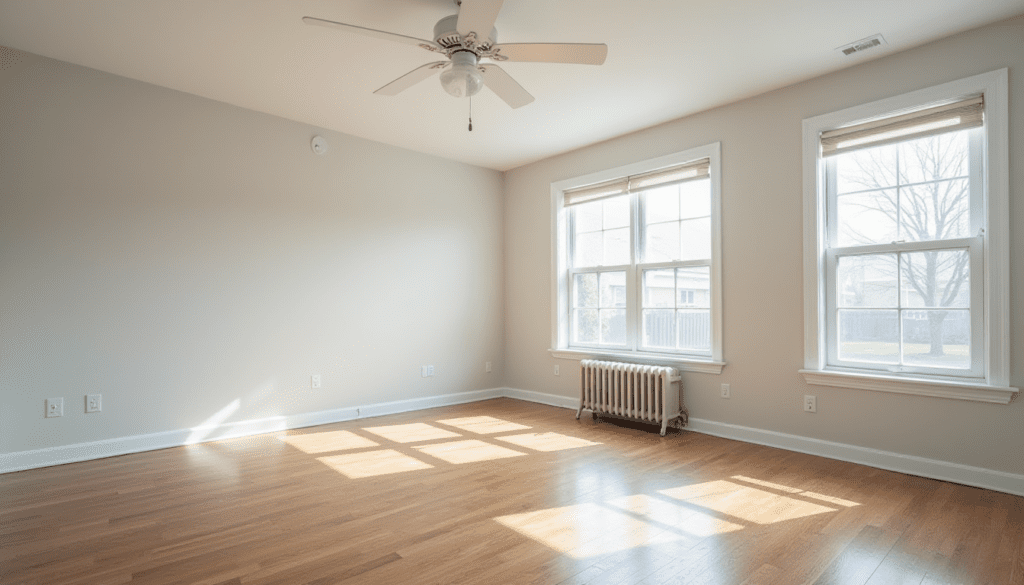
Walls are one of the first things inspectors notice. In East Orange rental units, minor scuffs, light marks, and gradual fading are typically considered normal wear, especially after a tenant has occupied the unit for several years. These cosmetic changes often result from furniture movement, everyday contact, and exposure to sunlight.
Problems arise when walls show excessive or avoidable damage. Large holes from wall-mounted televisions, deep gouges, crayon drawings, or unauthorized paint colors usually require more than a simple touch-up. These conditions often involve patching, sanding, and repainting entire sections, which increases restoration costs.
Tenants can reduce issues by using removable hooks instead of nails, patching small holes before moving out, and matching paint colors when making repairs. Landlords often evaluate wall condition based on consistency, not perfection, focusing on whether repairs exceed routine turnover maintenance.
Flooring Issues: Carpet, Hardwood, and Tile Conditions
Flooring condition plays a major role in deposit evaluations. In East Orange rentals, carpet wear patterns are common, especially in hallways and living areas. Flattened fibers, light discoloration, and minor traffic marks usually fall under normal wear, particularly after extended occupancy.
Tenant damage becomes more apparent when flooring shows stains from spills that were never cleaned, pet-related damage, burns, deep scratches, or cracked tiles. Hardwood floors with water damage or missing boards often indicate neglect rather than routine use. These issues typically require more extensive repairs or replacement.
Tenants can protect themselves by documenting flooring condition at move-in and addressing spills immediately. Using rugs in high-traffic areas and avoiding dragging heavy furniture can significantly reduce the risk of chargeable damage. Property managers often assess flooring based on lifespan, prior condition, and overall usability rather than cosmetic perfection.
Appliances: Everyday Use vs Preventable Damage
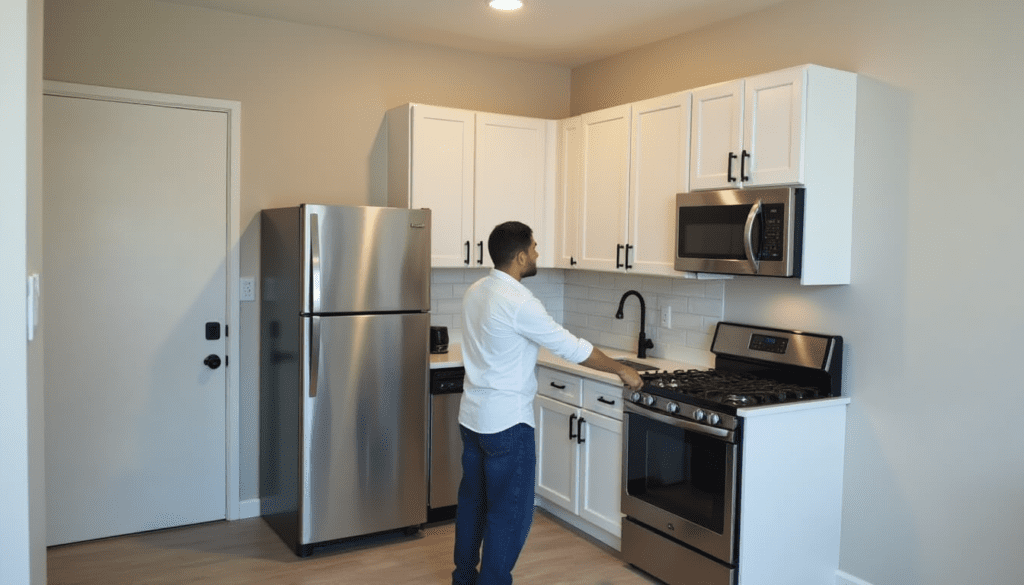
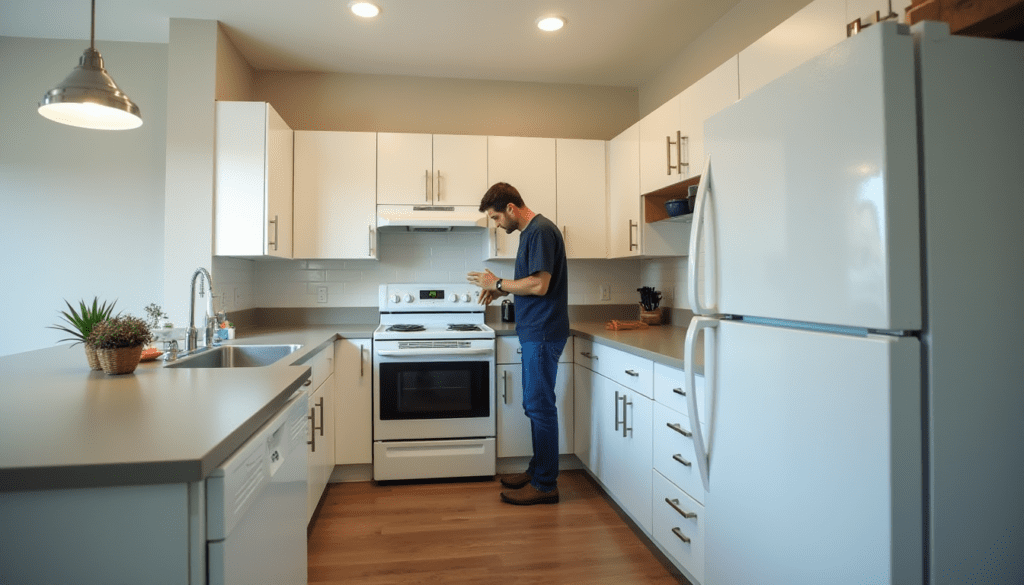
Appliances are another frequent point of confusion during move-out inspections in East Orange rental properties. Refrigerators, stoves, dishwashers, washers, and dryers are all designed for daily use, and some level of aging is expected over time. Minor scratches on appliance surfaces, slight discoloration inside ovens, or gradual loss of efficiency are typically associated with normal wear.
Issues arise when appliances are left excessively dirty or damaged due to misuse. Burnt stovetop elements from improper cleaning, broken refrigerator shelves, missing knobs, or clogged dishwasher filters caused by neglect often fall outside normal wear expectations. These problems usually require repairs or replacement parts rather than routine cleaning.
Tenants can reduce appliance-related deductions by following manufacturer care guidelines, cleaning appliances thoroughly before move-out, and reporting malfunctions early during tenancy. Property managers usually evaluate appliances based on functionality first, appearance second, and whether damage was preventable.
Plumbing Fixtures and Bathroom Surfaces
Bathrooms experience constant moisture, making them especially vulnerable to wear. In East Orange rentals, inspectors expect to see some aging around faucets, showerheads, and drains. Light mineral buildup, minor grout discoloration, and gradual finish dulling typically fall within normal expectations.
Chargeable damage often involves cracked sinks, broken toilet seats, missing fixtures, or severe mold caused by poor ventilation habits. Leaks left unreported for long periods can also escalate from routine maintenance issues into costly repairs that may impact deposit deductions.
Tenants can help preserve bathroom condition by cleaning regularly, using exhaust fans, and notifying management promptly when plumbing issues arise. Property managers usually assess whether damage resulted from unavoidable moisture exposure or from neglect that accelerated deterioration.
Kitchen Cabinets, Counters, and Appliances
The kitchen is one of the most heavily scrutinized areas during final walkthroughs. Cabinet doors, drawers, and countertops naturally show signs of use over time. Minor scratches, loose hinges, and light surface wear are generally considered normal wear, especially in older East Orange rental units.
Problems occur when cabinets are broken off hinges, shelves are missing, or counters are cracked or severely burned. Water damage under sinks caused by ignored leaks can also shift an issue from maintenance to tenant responsibility. Excessive grease buildup or food residue may result in cleaning charges even if no physical damage exists.
Tenants preparing to move out should focus on deep cleaning and minor adjustments such as tightening handles or replacing missing hardware. Property managers typically look at whether kitchen components remain functional and presentable for the next occupant.
Windows, Blinds, and Screens
Windows and related components are often overlooked by tenants until inspection day. In East Orange rentals, inspectors expect some wear on window tracks, locks, and frames. Slight difficulty opening older windows or light dust accumulation is usually not a concern.
Broken glass, torn screens, missing blinds, or bent frames generally qualify as tenant damage. These issues often result from accidents, pets, or improper use rather than everyday living. Replacement costs can add up quickly, especially in multi-window units.
Tenants can avoid deductions by cleaning window surfaces, ensuring screens are intact, and reporting damage as soon as it occurs. Property managers assess windows based on safety, usability, and overall condition rather than cosmetic perfection.
Doors, Locks, and Hardware Wear
Doors and hardware experience constant use throughout a tenancy. In East Orange rental properties, inspectors typically expect minor wear such as loose handles, slight scuffing near doorknobs, or gradual finish fading. These signs are usually attributed to normal use over time.
Tenant damage is more likely when doors are cracked, locks are missing, or hardware has been forcibly removed. Damage caused by slamming doors, unauthorized lock changes, or pet scratching often requires replacement rather than adjustment.
Tenants can minimize issues by tightening loose screws, cleaning surfaces, and ensuring all original keys are returned. Property managers generally focus on whether doors and locks function properly and provide adequate security for the next resident.
Electrical Fixtures, Switches, and Lighting
Electrical components are often subtle but important details during a move-out inspection. In East Orange rental units, light switches, outlets, and basic fixtures are expected to show mild signs of use over time. Slight discoloration on switch plates, loosened fixtures, or bulbs nearing the end of their lifespan are commonly viewed as normal wear.
Concerns arise when fixtures are broken, outlets are damaged, or wiring has been altered without approval. Missing light fixtures, cracked covers, or non-functioning switches caused by impact or improper installation often require professional repair. These conditions usually fall outside routine turnover preparation.
Tenants can reduce issues by replacing burnt-out bulbs, securing loose fixtures, and ensuring all original electrical components remain in place. Property managers typically assess electrical items based on safety, functionality, and whether changes were reversible or permanent.
Outdoor Areas: Patios, Balconies, and Shared Spaces
Outdoor areas are an extension of the rental space and are increasingly common in East Orange properties. Balconies, patios, and assigned outdoor areas naturally experience weather-related wear. Faded paint, light surface rust, or minor debris buildup is generally expected.
Damage becomes an issue when outdoor spaces show neglect or misuse. Broken railings, damaged flooring, unauthorized installations, or excessive trash accumulation can result in deductions. Grill-related burns, planter stains, or pet waste left behind are also frequent concerns.
Tenants should clear outdoor areas of personal items, sweep surfaces, and report structural concerns early. Property managers often evaluate these spaces with safety and cleanliness in mind rather than cosmetic perfection.
Pet-Related Issues and Odor Concerns
Pets add another layer of consideration during move-out inspections. In East Orange rentals that allow pets, some level of pet-related wear is expected. Light hair accumulation, minor floor scuffs, or faint odors that can be resolved with standard cleaning are often considered manageable.
Problems arise when pet damage becomes excessive. Deep scratches on floors, chewed doors, stained carpets, or persistent odors that require specialized treatment may be viewed as tenant damage. Flea infestations or unreported pet activity can further complicate deposit evaluations.
Tenants can reduce pet-related issues by scheduling professional cleaning, trimming pet nails regularly, and addressing accidents immediately. Property managers typically assess whether damage exceeds what normal pet-friendly use would produce.
Cleaning Expectations vs Excessive Mess
Cleaning is one of the most common reasons for partial deposit deductions. In East Orange rentals, tenants are generally expected to leave the unit in a reasonably clean condition. This includes removing personal belongings, wiping surfaces, and addressing visible dirt or residue.
Excessive mess goes beyond everyday living. Thick grease buildup, moldy refrigerators, trash left behind, or strong odors may require professional cleaning services. Even when no physical damage exists, these conditions can still lead to deductions due to the time and cost involved in restoring the unit.
Tenants often benefit from using a move-out cleaning checklist or hiring professional cleaners. Property managers usually distinguish between light touch-up cleaning and situations requiring deep sanitation.
How Property Age Impacts Condition Expectations
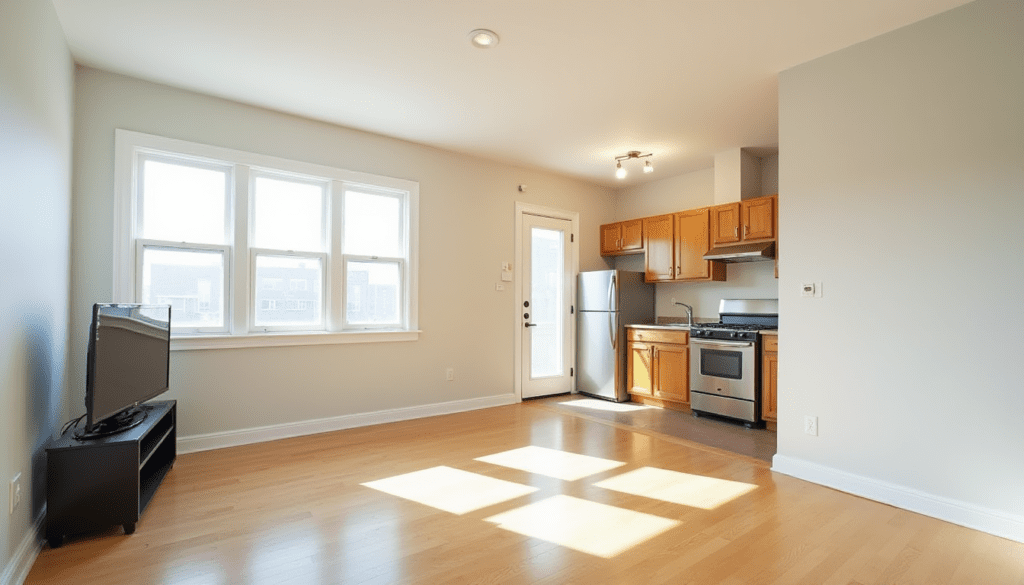
The age of a rental property plays a significant role in how wear is evaluated. East Orange features a wide range of buildings, from older multi-family homes to newly renovated apartments. Older properties naturally show signs of aging, even when well maintained.
Inspectors typically compare the unit’s current condition to its documented move-in state rather than to a brand-new standard. Older flooring, cabinetry, or fixtures may already have limited remaining lifespan, which affects how wear is interpreted.
Tenants can protect themselves by reviewing move-in photos and condition reports. Property managers rely heavily on documentation to determine whether changes reflect natural aging or avoidable damage.
Photo Documentation and Move-Out Evidence Tips
Photo documentation is one of the most effective ways to reduce confusion during a move-out inspection. In East Orange rental properties, photos provide a clear visual record that supports both tenants and property managers when assessing condition changes. Images taken at move-in and move-out help establish whether issues are related to everyday use or avoidable damage.
Tenants should take wide-angle photos of each room along with close-ups of high-use areas such as flooring, walls, appliances, and fixtures. Lighting matters, so natural daylight or bright overhead lights help capture true condition. Timestamped photos stored digitally offer additional credibility if questions arise later.
Property managers often rely on photos to confirm repair decisions and maintain consistency across units. Clear documentation reduces disputes, shortens inspection time, and sets objective expectations rather than relying on memory or opinion.
Cost Breakdown Examples for Repairs vs Maintenance
Understanding how costs are evaluated helps clarify why certain deductions occur. Routine maintenance tasks such as repainting between tenants, carpet cleaning after extended occupancy, or tightening fixtures are typically part of standard turnover expenses in East Orange rentals.
Repair costs increase when damage requires replacement rather than upkeep. Replacing cracked tiles, repairing water-damaged cabinets, or refinishing hardwood floors due to deep scratches often involves materials, labor, and extended vacancy time. These expenses usually exceed normal maintenance budgets.
Property managers assess whether costs restore the unit to its prior condition or improve it beyond that point. Tenants are generally only responsible for expenses that result from excessive or preventable damage.
Best Practices to Avoid Deposit Deductions
Preparation is key to avoiding unnecessary deductions. Tenants in East Orange benefit from reviewing their lease terms, completing minor repairs, and addressing cleanliness well before move-out day. Small efforts often prevent larger charges.
Simple steps such as patching nail holes, replacing damaged outlet covers, deep cleaning appliances, and removing personal items make a noticeable difference during inspections. Scheduling a pre-move-out walkthrough, when available, can also help identify concerns early.
Proactive communication with property management creates transparency and allows tenants to resolve issues before they become costly. Most deductions can be avoided with planning and attention to detail.
What Property Managers Look for During Final Inspections
Final inspections focus on overall condition, functionality, and readiness for the next occupant. In East Orange rentals, property managers typically evaluate whether the unit can be re-rented with standard turnover work or if additional repairs are required.
Inspectors often compare the unit against move-in documentation, paying attention to consistency across rooms. They look for patterns that indicate neglect, such as widespread damage or excessive dirt, rather than isolated imperfections.
Understanding this perspective helps tenants prioritize what matters most. A unit that is clean, functional, and reasonably maintained is far less likely to trigger deposit deductions.
Preparing a Smooth Move-Out in East Orange
A smooth move-out benefits everyone involved. Tenants recover more of their deposit, and property managers can transition units efficiently. In East Orange’s competitive rental market, efficient turnover supports stable housing and positive rental experiences.
Planning ahead, documenting condition, and understanding how wear differs from damage sets realistic expectations. Most disputes arise from miscommunication rather than intent, making clarity the most valuable tool during move-out.
If you manage or rent property in East Orange and want clearer expectations around inspections, maintenance, and tenant responsibility, working with an experienced local property management team can simplify the entire process and reduce unnecessary stress.
Frequently Asked Questions About Move-Out Deductions
Can small nail holes lead to deposit deductions?
Small nail or pin holes from hanging pictures are commonly viewed as part of everyday living in East Orange rental units. When holes are limited in number and size, they are usually handled during routine repainting between tenants. Problems typically arise when holes are large, excessive, or left unrepaired after heavy wall mounting.
Does length of tenancy affect wear and tear expectations?
Yes, length of occupancy plays a major role in how condition is evaluated. A unit occupied for several years will naturally show more signs of use than a short-term rental. Inspectors often factor in how long the tenant lived in the property when distinguishing between aging materials and avoidable damage.
Are carpet stains always considered tenant damage?
Not always. Light discoloration from foot traffic or gradual fading over time is generally considered normal wear. Deep stains caused by spills, pets, or improper cleaning methods are more likely to be viewed as damage, especially if they require replacement rather than standard cleaning.
Do tenants need to repaint before moving out?
In most cases, repainting is not expected unless walls were altered beyond normal use. Neutral fading or minor scuffs usually fall under normal wear. Repainting may be necessary if walls were painted unauthorized colors or suffered significant damage.
How important is move-in documentation?
Move-in documentation is one of the strongest tools for avoiding disputes. Photos and condition reports establish a baseline that helps determine whether changes are due to normal living or tenant-related damage. Both tenants and property managers rely heavily on this information during final inspections.
If you are preparing for a move-out in East Orange or managing a rental property and want fewer surprises during inspections, consistent documentation, clear expectations, and proactive maintenance make a meaningful difference. A well-prepared move-out often leads to faster deposit resolutions and smoother transitions for everyone involved.