
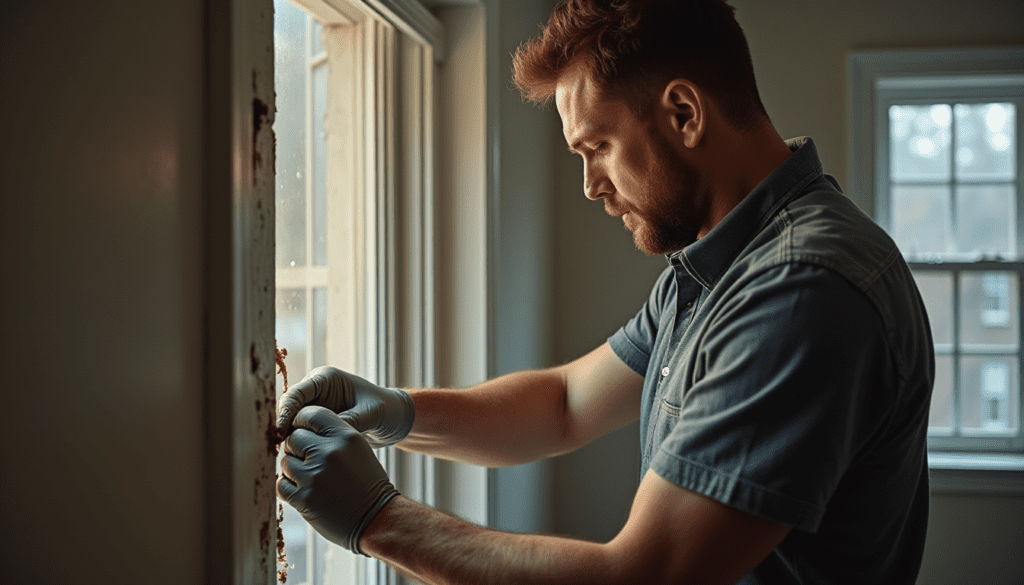
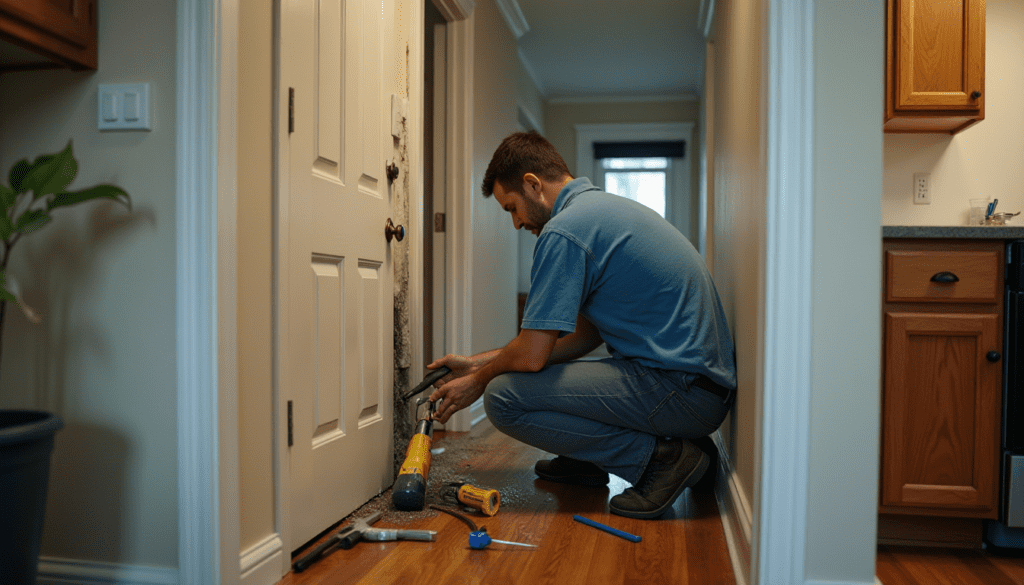

Understanding the difference between tenant damage and normal wear and tear is one of the most important responsibilities for landlords managing rental properties in Bloomfield, NJ. This distinction directly affects how security deposit deductions are handled and can be the deciding factor in whether a move-out process ends smoothly or escalates into disputes, complaints, or financial loss. Many landlords assume any imperfection left behind by a tenant qualifies as damage, while tenants often believe that everyday deterioration should never result in deductions. The reality lies somewhere in between, and getting it wrong can be costly.
In Bloomfield’s competitive rental market, property owners are expected to maintain their units while also protecting their investment. Knowing what qualifies as normal wear and tear versus chargeable tenant damage allows landlords to make fair deductions, justify those deductions clearly, and reduce the risk of tenant pushback. This guide focuses on practical, real-world scenarios landlords face during move-out inspections, using examples commonly seen in Bloomfield NJ rental properties.
Throughout this article, you’ll learn how to evaluate property condition, document changes over time, and apply deductions in a way that aligns with best practices for New Jersey landlords. Whether you manage one unit or an entire portfolio, understanding wear and tear versus tenant damage will help you operate more efficiently and avoid unnecessary conflicts.
What Landlords Should Know Before Move-Out Inspections
A successful move-out inspection begins long before a tenant hands in their keys. For landlords in Bloomfield NJ, preparation is critical to determining whether an issue is normal wear and tear or tenant-caused damage. The biggest mistake landlords make is relying on memory or subjective opinions rather than documented evidence. Without clear records, even legitimate deductions can appear arbitrary to tenants.
Before scheduling a move-out inspection, landlords should review the original move-in condition report, photos, and any maintenance records created during the tenancy. Comparing the unit’s initial condition to its current state provides a factual baseline. This process helps separate gradual deterioration from damage caused by neglect, misuse, or unauthorized modifications.
Timing also plays an important role. Conducting inspections during daylight hours allows you to clearly see wall scuffs, floor damage, and cleanliness issues. Rushing through an inspection or skipping certain rooms often leads to missed details that later become expensive surprises. Many Bloomfield landlords now use standardized checklists to ensure nothing is overlooked during the evaluation process.
Clear communication with tenants before move-out is another essential step. Letting tenants know what areas will be inspected and what standards are expected helps reduce misunderstandings. When tenants understand the difference between wear and tear versus damage, they are more likely to leave the unit in acceptable condition.
How Security Deposits Work in NJ Rental Properties
Security deposits are designed to protect landlords from financial loss when tenants fail to meet their responsibilities. In New Jersey rental properties, including those in Bloomfield, security deposits are commonly used to cover unpaid rent, excessive cleaning costs, and repairs for tenant damage beyond normal wear and tear. However, they are not intended to fund routine maintenance or property upgrades.
At the end of a lease, landlords must evaluate the unit and determine whether any deductions are justified. This evaluation should focus strictly on the condition of the property relative to its age and length of tenancy. For example, minor nail holes from hanging pictures are typically considered normal wear and tear, while large holes or damaged drywall panels often qualify as tenant damage.
Another important factor is item lifespan. Carpets, paint, appliances, and flooring all have expected useful lives. Charging a tenant for the full replacement cost of an item that was already near the end of its lifespan can be difficult to justify. Many experienced Bloomfield property managers use prorated calculations when assessing deductions, which helps demonstrate fairness and transparency.
Proper documentation is essential when handling security deposits. Itemized lists, photos, invoices, and repair estimates all support your decisions and help prevent disputes. Landlords who follow consistent procedures tend to experience fewer challenges from tenants questioning deductions.
Defining Normal Wear and Tear in Bloomfield Rentals
Normal wear and tear refers to the gradual deterioration of a rental unit that occurs through everyday use over time. In Bloomfield NJ rental properties, this includes changes that happen even when tenants are careful and responsible. Wear and tear is inevitable and expected, especially in long-term tenancies.
Examples of normal wear and tear often include lightly worn carpet in high-traffic areas, faded paint due to sunlight exposure, minor scuff marks on walls, and loose door handles caused by regular use. These conditions do not result from abuse or neglect but rather from normal living activities. Landlords should anticipate these changes as part of routine property maintenance.
The length of the tenancy plays a major role in evaluating wear and tear. A unit occupied for several years will naturally show more signs of aging than one rented for a single year. For instance, slight discoloration of grout or minor scratches on hardwood floors may be acceptable after a long tenancy but questionable after a short one.
Understanding normal wear and tear helps landlords budget for ongoing maintenance and prevents them from unfairly charging tenants for issues that are the owner’s responsibility. This clarity also builds trust, as tenants are more likely to accept deductions when they feel the evaluation process is reasonable and informed.
Common Examples of Normal Wear and Tear
Landlords in Bloomfield NJ frequently encounter similar wear-and-tear issues across different properties. Recognizing these patterns makes it easier to distinguish between acceptable deterioration and chargeable damage. One of the most common examples is minor wall marks from furniture placement or everyday movement. These scuffs typically require simple touch-up paint rather than extensive repairs.
Flooring is another area where normal wear and tear appears. Carpets may show flattening or light staining in walkways, while hardwood floors can develop small scratches over time. As long as the damage does not affect the structural integrity or usability of the floor, it is generally considered normal wear. Similarly, vinyl or laminate flooring may fade slightly due to sunlight exposure.
Bathroom fixtures and kitchen components also show signs of age. Caulking may discolor, cabinet hinges may loosen, and faucet finishes may dull. These issues occur even with proper care and are typically addressed through routine maintenance between tenants. Charging tenants for these conditions often leads to unnecessary disputes.
By consistently applying the same standards across all units, landlords create a predictable and fair inspection process. This consistency is especially important for property owners managing multiple rentals in Bloomfield, where reputation and tenant satisfaction can impact long-term success.
At the end of each inspection, remember that fair evaluations protect both the landlord’s investment and the tenant’s financial interests. Clear documentation, realistic expectations, and a solid understanding of wear and tear versus tenant damage form the foundation of successful rental management.
Professional property management support can further simplify this process by providing standardized inspections, clear documentation, and experienced guidance when determining appropriate security deposit deductions for Bloomfield NJ rental properties.
What Constitutes Tenant Damage Beyond Wear and Tear
Tenant damage goes beyond the gradual, unavoidable deterioration that occurs during everyday living. In Bloomfield NJ rental properties, tenant damage typically results from misuse, neglect, carelessness, or intentional actions that shorten the lifespan of property components or require repairs beyond routine maintenance. Understanding this distinction is essential when determining whether a security deposit deduction is justified.
Unlike normal wear and tear, tenant damage is often sudden, excessive, or preventable. For example, broken windows, doors ripped off hinges, or large holes in drywall are not the result of ordinary use. These issues usually require immediate repair and can significantly impact the habitability and value of the rental unit. In these cases, landlords are generally justified in charging tenants for repair costs.
Another indicator of tenant damage is failure to report issues promptly. A small plumbing leak that goes unreported and causes extensive water damage may be considered tenant-caused, even if the original issue was minor. In Bloomfield rentals, landlords often encounter situations where delayed reporting turns manageable maintenance into costly repairs.
Unauthorized alterations are another common form of tenant damage. Painting walls in dark or unconventional colors, installing shelving without permission, or removing fixtures can leave lasting damage. Even if the tenant believed the changes were improvements, restoring the unit to its original condition often requires additional labor and materials.
How to Document Property Condition Throughout the Lease
Accurate documentation is one of the most effective tools landlords have when distinguishing between normal wear and tear and tenant damage. For Bloomfield NJ landlords, consistent documentation throughout the lease provides clarity and protection if deductions are questioned. Relying solely on a final inspection without historical records often leads to disputes.
The documentation process should begin at move-in. A detailed condition report that includes written notes and timestamped photos establishes the baseline condition of the rental unit. Every room, fixture, appliance, and surface should be documented, even if the condition is excellent. This level of detail eliminates ambiguity later on.
Mid-lease documentation is equally valuable. Recording maintenance visits, repair requests, and inspections creates a timeline of how the property was used and maintained. If a tenant repeatedly ignores maintenance recommendations or causes recurring issues, these records support your assessment during move-out.
Digital storage makes this process easier than ever. Many Bloomfield property managers store photos, videos, and reports in cloud-based systems, ensuring records are easily accessible when needed. Organized documentation not only strengthens your position but also demonstrates professionalism and fairness.
Why Move-In and Move-Out Checklists Matter
Move-in and move-out checklists serve as structured guides for evaluating rental property condition. For landlords in Bloomfield NJ, these checklists reduce subjectivity and ensure consistency across all inspections. A standardized checklist helps landlords focus on observable facts rather than opinions.
At move-in, the checklist confirms the condition of walls, floors, appliances, windows, and fixtures. Tenants should be encouraged to review and acknowledge this checklist, which helps establish shared expectations. When tenants are involved in the process, they are more likely to take responsibility for the unit’s condition.
During move-out, the same checklist is used to compare the current condition to the original baseline. This side-by-side evaluation makes it easier to identify changes that exceed normal wear and tear. For example, a carpet noted as “clean and intact” at move-in but later found with large stains or burns clearly indicates tenant damage.
Using checklists also speeds up the inspection process and reduces the chance of overlooking important details. Many Bloomfield landlords find that clear, consistent inspection procedures significantly reduce disagreements over security deposit deductions.
How Deductions Are Calculated on Security Deposits
Calculating security deposit deductions requires a balanced approach that considers fairness, documentation, and realistic repair costs. In Bloomfield NJ rentals, landlords should avoid blanket charges and instead base deductions on actual damage and necessary repairs. This approach not only protects landlords but also builds credibility with tenants.
One important concept is depreciation. Items such as paint, carpet, and appliances lose value over time. Charging a tenant the full replacement cost of an item that was already partially worn can appear unreasonable. Many experienced landlords calculate deductions based on the remaining useful life of the item, which helps demonstrate that the charge reflects actual loss rather than profit.
Itemized statements are essential when returning or withholding a security deposit. Each deduction should be clearly listed with a description, cost, and supporting documentation such as invoices or estimates. This transparency helps tenants understand how amounts were calculated and reduces the likelihood of disputes.
Ultimately, well-documented, reasonable deductions protect your rental business and reinforce professional standards. Landlords who apply consistent methods across all Bloomfield properties are better positioned to resolve disagreements quickly and maintain positive landlord–tenant relationships.
Professional property management support can further simplify inspections, documentation, and security deposit handling by applying consistent standards and experienced judgment to Bloomfield NJ rental properties.
Practical Inspection Tips for New Jersey Landlords
Conducting thorough and consistent inspections is one of the most effective ways Bloomfield NJ landlords can protect their rental properties and avoid disputes over security deposit deductions. Inspections should never feel rushed or improvised. Instead, they should follow a repeatable process that allows you to evaluate the property objectively and confidently.
Start by scheduling inspections strategically. Whenever possible, conduct move-out inspections shortly after the tenant vacates the unit, before new tenants move in or repairs begin. This timing ensures the condition you observe accurately reflects how the tenant left the property. Daylight inspections are especially important, as natural light makes it easier to spot wall damage, stains, and floor issues.
During the inspection, take high-quality photos and videos of every room, even areas that appear undamaged. Wide-angle shots establish overall condition, while close-ups capture specific issues like chipped tiles, cracked fixtures, or damaged appliances. These visuals become invaluable if a tenant later questions a deduction.
Another practical tip is to inspect with your checklist in hand and move room by room in the same order every time. This habit reduces the chance of overlooking details and helps maintain consistency across multiple properties. Bloomfield landlords managing several units often rely on this structured approach to save time while improving accuracy.
Handling Disputes Between Landlords and Tenants
Even with careful inspections and thorough documentation, disputes over security deposit deductions can still arise. How landlords handle these situations often determines whether the issue escalates or is resolved quickly. In Bloomfield NJ, clear communication and professionalism go a long way toward minimizing conflict.
When a tenant questions a deduction, respond promptly and provide supporting documentation. Itemized statements, photos, and repair invoices help demonstrate that deductions are based on evidence rather than personal judgment. Tenants are far more likely to accept charges when they can clearly see how conclusions were reached.
It’s also important to remain calm and factual during discussions. Avoid emotional language or defensive explanations. Instead, focus on comparing move-in and move-out conditions and explaining why a particular issue exceeds normal wear and tear. This approach keeps the conversation productive and reduces tension.
In many cases, disputes stem from misunderstandings rather than bad intentions. Taking the time to explain your process can resolve issues without further action. Landlords who maintain organized records and consistent standards often find that disputes are easier to manage and less frequent over time.
Examples of Typical Damage That Can Be Charged
While normal wear and tear is expected, certain types of damage clearly justify security deposit deductions. Bloomfield NJ landlords commonly encounter tenant-caused damage that requires repair or replacement beyond routine maintenance. Recognizing these examples helps ensure deductions are applied fairly and consistently.
Significant wall damage is one of the most common issues. Large holes, deep gouges, or extensive unauthorized paint jobs often require professional repair and repainting. Unlike small nail holes or light scuffs, these conditions go beyond everyday use and impact the unit’s marketability.
Flooring damage is another frequent concern. Burn marks in carpets, broken tiles, warped hardwood from water exposure, or deep scratches caused by moving heavy furniture are typically considered tenant damage. These issues often require partial or full replacement rather than simple cleaning.
Appliance damage caused by misuse or neglect can also justify deductions. Broken refrigerator shelves, damaged stove components, or washing machines clogged with foreign objects are examples where repair costs may reasonably be passed on to the tenant.
How to Communicate Expectations to Tenants
Clear expectations set at the beginning of a tenancy can significantly reduce confusion and disputes at move-out. For Bloomfield NJ landlords, proactive communication is one of the most effective tools for protecting property condition and minimizing security deposit issues.
During move-in, take time to explain how wear and tear differs from tenant damage and what standards are expected when the tenant vacates the unit. Providing written guidelines alongside the lease helps reinforce these expectations and gives tenants something to reference later.
Periodic reminders can also be helpful, especially for long-term tenants. Simple communications about reporting maintenance issues promptly or caring for specific features like hardwood floors can prevent small problems from becoming major damage.
When tenants feel informed rather than surprised, they are more likely to maintain the unit responsibly and accept reasonable deductions if damage does occur. Clear communication ultimately benefits both parties and supports a smoother rental experience.
Maintaining Good Landlord–Tenant Relationships
Fair handling of wear and tear versus tenant damage plays a key role in maintaining positive landlord–tenant relationships. Bloomfield NJ landlords who apply consistent standards and communicate openly tend to earn trust and cooperation from tenants, even during move-out.
Respectful treatment, timely responses to maintenance requests, and transparent inspection processes all contribute to a healthier rental relationship. When tenants feel their concerns are addressed during the lease, they are more likely to leave the property in good condition.
Strong relationships also reduce turnover-related stress and expenses. Tenants who feel treated fairly are more likely to recommend your property or leave positive feedback, which can be valuable in Bloomfield’s rental market.
Best Practices for Avoiding Security Deposit Conflicts
Avoiding security deposit conflicts starts with preparation and consistency. Bloomfield NJ landlords who document property condition thoroughly, conduct structured inspections, and communicate expectations clearly are far less likely to face disputes.
Using standardized checklists, maintaining photo records, and applying depreciation fairly all demonstrate professionalism. These practices protect your investment while also showing tenants that deductions are based on objective criteria rather than personal opinion.
For landlords seeking additional support, professional property management services can provide expert inspections, detailed documentation, and guidance on handling security deposit deductions. This level of support helps ensure fair outcomes while saving time and reducing stress.
By understanding the difference between tenant damage and normal wear and tear, Bloomfield NJ landlords can make informed decisions, maintain high-quality rental properties, and foster long-term success in their rental business.
Conclusion: Fair Deductions and Better Property Maintenance
Distinguishing between tenant damage and normal wear and tear is not just about protecting a security deposit—it’s about running a professional, sustainable rental operation in Bloomfield NJ. When landlords understand how everyday use differs from excessive damage, inspections become more objective, deductions become easier to justify, and tenant relationships improve. This clarity helps reduce friction at move-out and creates a more predictable process for everyone involved.
Consistent documentation, realistic expectations, and structured inspections form the foundation of fair security deposit handling. By using move-in and move-out checklists, maintaining photo records, and evaluating damage based on actual condition rather than assumption, landlords place themselves in a strong position. These practices also align well with broader property maintenance strategies, ensuring that units remain attractive and rentable over time.
Many Bloomfield landlords find that professional guidance makes a noticeable difference, especially when managing multiple properties or handling repeated tenant turnover. Working with experienced property managers can streamline inspections, ensure deductions are calculated properly, and help avoid costly disputes. Resources that address related topics—such as charging tenants for carpet cleaning at move-out or understanding landlord responsibilities for appliance repairs—can further strengthen your overall rental strategy.
Ultimately, fair handling of wear and tear versus tenant damage benefits everyone. Tenants feel respected and informed, while landlords protect their investments and maintain high-quality rental homes. By applying the principles outlined in this guide, Bloomfield NJ property owners can move forward with confidence, knowing their security deposit decisions are reasonable, defensible, and aligned with best practices in property management.
If you want help applying these standards consistently across your rental properties, professional property management support can simplify inspections, documentation, and move-out processes while helping you avoid unnecessary conflicts and protect long-term property value.