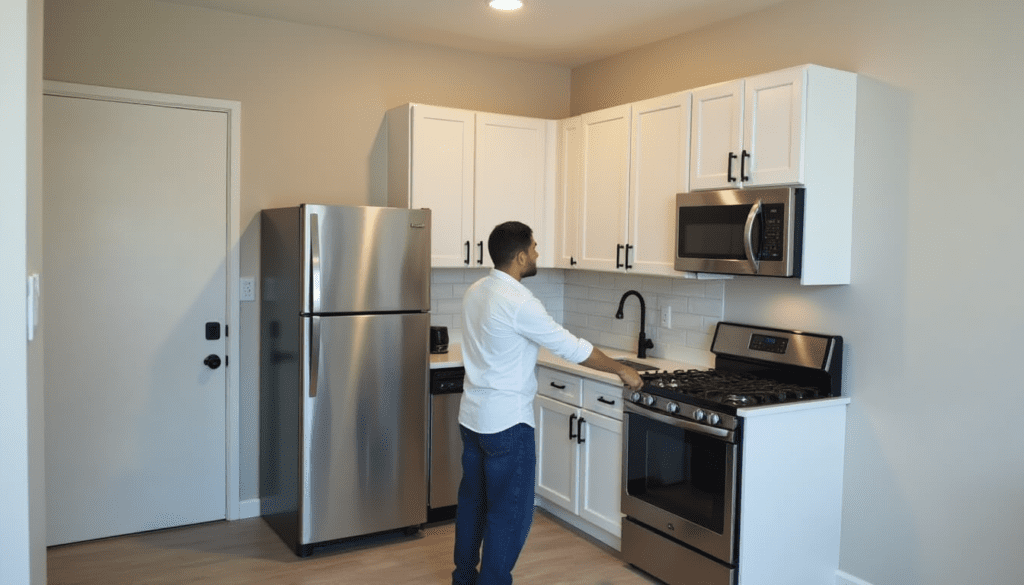
Rental properties in Plainfield, New Jersey rely heavily on functional appliances to maintain tenant comfort, safety, and overall satisfaction. From refrigerators keeping food fresh to stoves enabling daily meals, appliances are a central part of the rental living experience. When one of these appliances breaks down, confusion often arises over who is responsible for repairs, how quickly those repairs should happen, and what steps should be taken next.
Many landlords assume tenants handle appliance issues, while tenants often believe all appliance problems fall squarely on the landlord. In reality, responsibility typically depends on several practical factors such as who provided the appliance, how the damage occurred, and what expectations were set from the beginning of the tenancy. Understanding landlord appliance repair responsibilities in Plainfield NJ helps prevent disputes, reduces downtime, and supports smoother landlord-tenant relationships.
This guide is designed to walk through those responsibilities in a clear, practical way. Instead of focusing on technical terminology, the goal is to explain how appliance repairs usually work in New Jersey rentals, what landlords are expected to manage, and what tenants should reasonably handle. Whether you manage a single-family rental or multiple units in Plainfield, knowing these expectations helps protect your property and your income.
Throughout this article, you will also find practical examples, real-world maintenance tips, and insights commonly referenced by property managers and rental housing professionals across New Jersey. This information is especially useful for landlords who want to stay proactive, organized, and responsive when appliance issues arise.
What Counts as a Landlord-Provided Appliance
One of the most important factors in determining appliance repair responsibility is whether the appliance was provided as part of the rental property. In most Plainfield rentals, landlord-provided appliances include essential items that are already installed and available for tenant use at move-in. These appliances are typically listed in the lease agreement or included in the unit’s original condition report.
Common landlord-provided appliances usually include refrigerators, ovens, stoves, and sometimes dishwashers. In multi-family properties or higher-end rentals, washers and dryers may also be included. When an appliance is advertised with the rental and available for tenant use, it is generally treated as part of the property itself rather than a tenant-owned item.
Industry guidance from rental housing resources such as TrueDoor Property Management emphasizes that when an appliance is supplied by the landlord, maintenance and repair responsibilities typically stay with the landlord unless damage was caused by misuse. This approach helps maintain consistency and ensures tenants are not left without essential household functions for extended periods.
Landlords in Plainfield should make sure their lease documents clearly list all included appliances. Doing so reduces misunderstandings later and provides a reference point if repair disputes occur. It also allows landlords to plan maintenance budgets more accurately since appliance repairs are an expected part of operating a rental property.
Appliances that tenants bring themselves, such as countertop microwaves or personal washers, generally remain the tenant’s responsibility. However, built-in or permanently installed appliances are almost always treated as landlord-provided, even if the tenant uses them daily.
Standard Landlord Repair Expectations
Once it is clear that an appliance is landlord-provided, the next question becomes what level of repair or replacement is expected. In Plainfield NJ rentals, landlords are generally expected to keep provided appliances in working condition throughout the tenancy. This does not mean appliances must be brand new, but they should function as intended for everyday use.
According to widely referenced rental maintenance resources such as Nolo, landlords are typically responsible for fixing appliances that stop working due to normal wear and tear. This includes issues like a refrigerator no longer cooling properly, a stove burner failing, or a dishwasher not draining as expected.
Response time also matters. While minor appliance issues may allow for reasonable scheduling, essential appliances such as refrigerators are often treated as higher priority. Delays can lead to food spoilage, inconvenience, and tenant dissatisfaction. Many professional property managers aim to address major appliance repairs within a few days of receiving notice.
Landlords are not expected to provide luxury upgrades or immediate replacements unless the appliance is beyond repair. However, they are expected to take reasonable steps to restore functionality. In some cases, replacement may be more cost-effective than repeated repairs, especially for older appliances.
Clear communication plays a major role in meeting repair expectations. Letting tenants know when a technician is scheduled or when parts are on order helps manage expectations and reduces frustration. This approach also demonstrates professionalism and responsiveness, which can improve tenant retention.
How Normal Wear and Tear Differs from Tenant Damage
One of the most common sources of disagreement over appliance repairs is whether the issue resulted from normal wear and tear or tenant-caused damage. Normal wear and tear refers to the gradual decline of an appliance due to ordinary use over time. This includes things like worn seals, aging motors, or minor electrical failures that occur even when the appliance is used correctly.
Tenant damage, on the other hand, usually involves misuse, neglect, or accidental harm beyond normal use. Examples include forcing appliance doors, overloading washing machines, or using stoves improperly. When damage clearly results from misuse, landlords may pass repair costs to tenants or deduct them from the security deposit, depending on lease terms.
Guidance from property maintenance resources such as House Buyers of America highlights the importance of documenting appliance condition at move-in and move-out. Photos, inspection checklists, and maintenance records make it easier to determine whether damage occurred gradually or suddenly due to misuse.
In Plainfield rentals, clear documentation protects both landlords and tenants. Landlords benefit by having evidence to support repair decisions, while tenants benefit from transparency and fair treatment. This documentation also simplifies conversations around responsibility and cost allocation.
When in doubt, many landlords consult qualified appliance technicians to assess the cause of failure. A professional opinion can help determine whether the issue is mechanical wear or user-related damage, reducing the risk of disputes.
What Tenants Are Expected to Do
While landlords carry most responsibilities for repairing provided appliances, tenants also play an important role in maintaining them. Tenants are generally expected to use appliances as intended, follow basic care instructions, and avoid actions that could cause unnecessary damage.
Prompt reporting is one of the most important tenant responsibilities. When an appliance begins to malfunction, tenants should notify the landlord or property manager as soon as possible. Delaying reports can allow minor issues to worsen, leading to higher repair costs and longer downtime.
Routine upkeep, such as cleaning appliance surfaces, avoiding overloading machines, and replacing minor consumables like light bulbs or filters when specified, often falls to tenants. These small actions can significantly extend appliance lifespan and reduce the likelihood of breakdowns.
Property management insights from resources like The Pinnacle List note that tenants who communicate clearly and follow reporting procedures tend to experience faster resolutions. Written maintenance requests with details about the problem help landlords respond more efficiently and accurately.
By working together, landlords and tenants can minimize appliance issues, reduce costs, and maintain a better rental experience for everyone involved.
How to Report Appliance Issues Effectively
Clear and timely reporting of appliance problems plays a major role in how quickly and smoothly repairs are handled in Plainfield rental properties. From a landlord’s perspective, vague messages such as “the fridge isn’t working” can slow down the repair process, while detailed reports allow maintenance teams to respond with the right tools, parts, or contractors.
Tenants should report appliance issues as soon as they notice irregular behavior. Strange noises, inconsistent temperatures, leaks, or error codes often signal problems that can worsen if ignored. Early reporting helps prevent more extensive damage and reduces overall repair costs, which benefits both landlords and tenants.
Effective reports typically include the appliance type, a description of the issue, when the problem started, and whether the appliance is still partially functional. Written communication through email or a maintenance portal is often preferred because it creates a clear record. Many property managers in New Jersey rely on maintenance request systems to track appliance repairs and response times efficiently.
Landlords can streamline the process by setting clear expectations on how tenants should report issues. Providing simple instructions at move-in or including them in a tenant welcome packet helps reduce confusion later. When both sides follow an organized reporting process, appliance repairs are completed faster and with fewer misunderstandings.
Appliances Most Often Found in Plainfield NJ Rentals
While appliance offerings can vary by property type and neighborhood, many Plainfield rentals share a similar set of standard appliances. Understanding which appliances are most commonly included helps landlords anticipate maintenance needs and budget appropriately for repairs or replacements.
Refrigerators are among the most essential appliances in any rental unit. Because they operate continuously, refrigerators experience regular wear over time. Cooling issues, faulty thermostats, and compressor problems are some of the most frequent repair requests landlords receive.
Stoves and ovens are another core appliance category. Whether gas or electric, cooking appliances must remain safe and functional. Burners failing to ignite, uneven heating, or broken control knobs are common issues that typically require landlord attention when caused by normal use.
Dishwashers are common in many multi-family and updated rental units throughout Plainfield. Drainage problems, leaks, and control panel malfunctions are frequent service calls. Because dishwashers connect directly to plumbing, prompt repairs help prevent water damage to surrounding cabinetry and floors.
Washers and dryers may be provided in-unit, shared in a common area, or not included at all. When landlords do supply laundry appliances, they often experience heavy use. Belt wear, drainage issues, and electrical faults are common, making regular inspections and maintenance especially important.
Rental housing resources frequently note that appliances supplied with the unit are considered part of the rental’s overall habitability. As highlighted by maintenance guidance from House and Home Online, landlords often weigh appliance age and repair frequency when deciding whether to continue fixing or replace them altogether.
When Replacement Makes More Sense Than Repair
Not every appliance issue can or should be resolved with a simple repair. Over time, landlords in Plainfield may reach a point where replacing an appliance is more practical than continuing to fix it. Knowing when to make that decision can save money, reduce tenant complaints, and improve long-term property value.
Appliance age is one of the biggest factors. Many major appliances have an expected lifespan, and once they reach the later years of that range, repairs tend to become more frequent and expensive. For example, an aging refrigerator that repeatedly fails may cost more to keep repairing than replacing with a newer, energy-efficient model.
Repair costs relative to replacement value also matter. A common rule of thumb used by property managers is to consider replacement when a single repair approaches half the cost of a new appliance. This approach helps landlords avoid sinking money into equipment that may fail again soon.
Energy efficiency is another consideration. Older appliances often consume more electricity or gas, which can lead to higher utility costs and less attractive rentals. Newer appliances not only perform better but can also make a property more competitive in the Plainfield rental market.
Tenant satisfaction plays a role as well. Frequent appliance breakdowns can frustrate tenants and lead to higher turnover. Proactively replacing unreliable appliances demonstrates professionalism and commitment to maintaining a quality living environment.
Industry discussions referenced by rental maintenance platforms such as House Buyers of America emphasize that planned appliance replacement is often more cost-effective than reactive repairs. Budgeting for upgrades allows landlords to maintain consistency and avoid emergency expenses.
How Plainfield Landlords Can Streamline Appliance Repairs
Efficient appliance repair management is one of the biggest factors separating reactive landlords from well-run rental operations in Plainfield. When repair systems are disorganized, even small appliance issues can spiral into tenant frustration, repeated follow-ups, and unnecessary vacancy risks. Streamlining the process creates clarity for both landlords and tenants while reducing overall repair costs.
Many experienced landlords rely on centralized maintenance request systems rather than informal text messages or phone calls. Whether using property management software or a simple online form, having all appliance repair requests in one place allows landlords to track response times, prioritize urgent issues, and maintain documentation. This is especially useful for appliances like refrigerators or stoves that directly affect daily living.
Establishing relationships with reliable appliance repair vendors in the Plainfield area is another key strategy. Working with the same technicians over time leads to faster diagnosis, consistent pricing, and familiarity with the appliances installed across your properties. Vendors who understand your expectations can often resolve issues more efficiently, reducing downtime for tenants.
Clear repair timelines also help streamline the process. Letting tenants know what to expect—such as inspection within 24 to 48 hours and repair scheduling shortly after—builds trust and minimizes repeated inquiries. Landlords who communicate proactively tend to experience fewer disputes and higher tenant satisfaction.
How to Track Appliance Condition Over Time
Tracking the condition of appliances throughout a tenancy is essential for managing repair responsibilities fairly and efficiently. Without proper records, it becomes difficult to determine whether an appliance issue is due to normal wear and tear or tenant-related damage. In Plainfield rental properties, consistent documentation protects both parties.
Move-in inspections are the foundation of appliance tracking. Documenting the condition of each appliance with written notes and photos establishes a clear baseline. This information becomes invaluable if repair questions arise later. Many landlords include appliance condition checklists as part of their move-in process to ensure nothing is overlooked.
Ongoing maintenance records further strengthen documentation. Each time an appliance is serviced, repaired, or inspected, recording the date and nature of the work helps identify patterns. For example, repeated issues with the same appliance may indicate it is nearing the end of its useful life and should be replaced rather than repaired again.
At move-out, comparing the appliance’s condition against the original documentation allows landlords to make fair assessments. If damage exceeds normal wear, records support repair cost recovery. If deterioration is consistent with normal use, landlords can plan replacements without dispute.
Communication Best Practices with Tenants
Strong communication is one of the most overlooked yet impactful aspects of managing appliance repairs in Plainfield rentals. Even when repairs take time, tenants are far more likely to remain cooperative when they feel informed and respected throughout the process.
Landlords should acknowledge appliance repair requests promptly, even if an immediate solution is not available. A simple confirmation that the issue has been received reassures tenants that their concern is being addressed. This small step can prevent frustration from escalating.
Providing regular updates is equally important. If a repair is delayed due to parts availability or scheduling constraints, letting tenants know helps manage expectations. Silence often leads tenants to assume inaction, even when work is underway behind the scenes.
Professional tone and clear explanations go a long way. Avoiding technical jargon and explaining next steps in plain language helps tenants understand what is happening and why. This approach reduces conflict and supports long-term tenant retention.
Preventive Maintenance Tips for Rental Appliances
Preventive maintenance is one of the most effective ways Plainfield landlords can reduce appliance repair costs and extend equipment lifespan. Rather than waiting for breakdowns, proactive care helps catch small issues before they turn into major repairs.
Scheduling periodic inspections allows landlords to identify early warning signs such as unusual noises, loose connections, or worn components. These inspections can be coordinated with other property checks, making them efficient and cost-effective.
Simple actions like cleaning refrigerator coils, checking washer hoses, and inspecting dryer vents can significantly reduce the risk of failure. Encouraging tenants to report minor concerns early also supports preventive maintenance efforts.
Landlords who invest time in preventive care often experience fewer emergency repair calls and more predictable maintenance expenses. Over time, this approach improves both property performance and tenant satisfaction.
How Appliances Impact Tenant Satisfaction and Retention
Appliances play a much larger role in tenant satisfaction than many landlords initially realize. In Plainfield NJ rentals, appliances are used daily, and when they fail, the disruption is immediate. A broken refrigerator or stove can quickly turn into a major quality-of-life issue, even if the rest of the unit is well maintained.
Tenants often judge a landlord’s responsiveness based on how appliance issues are handled. Quick acknowledgment, clear timelines, and effective repairs signal professionalism and care. On the other hand, repeated breakdowns or delayed responses can lead tenants to seek housing elsewhere when their lease ends.
Consistently functioning appliances reduce tenant complaints and increase the likelihood of lease renewals. Property management studies frequently show that maintenance responsiveness is one of the top factors influencing tenant retention. When landlords address appliance repairs efficiently, tenants are more likely to view the rental as reliable and worth staying in long term.
From a business perspective, retaining tenants saves money. Turnover costs such as advertising, cleaning, and vacancy periods often exceed the cost of timely appliance repairs. Investing in dependable appliances and proactive maintenance supports stable occupancy and predictable income.
Cost Considerations and Budgeting for Appliance Repairs
Budgeting for appliance repairs is an essential part of managing rental properties in Plainfield. Appliances will eventually require servicing or replacement, and landlords who plan ahead are better positioned to handle these expenses without financial strain.
Many landlords allocate a portion of monthly rental income toward a maintenance reserve. This fund can be used for appliance repairs, emergency replacements, or routine servicing. Setting aside funds gradually reduces the impact of unexpected breakdowns.
Understanding common repair costs also helps with budgeting. Refrigerators, ovens, and washers tend to be among the more expensive appliances to repair due to parts and labor requirements. Having realistic expectations allows landlords to make informed decisions when issues arise.
Some landlords explore service agreements or extended warranties for major appliances. While not always necessary, these options can provide predictable costs and faster service in certain situations. Evaluating warranty coverage alongside appliance age and usage helps determine whether these plans make sense for a particular property.
As highlighted by rental maintenance insights from House Buyers of America, landlords who plan appliance budgets strategically often spend less over time than those who respond reactively to breakdowns.
Tools That Help Manage Appliance Maintenance
Modern tools make it easier than ever for Plainfield landlords to manage appliance repairs efficiently. From digital maintenance logs to scheduling software, the right systems can save time and reduce errors.
Maintenance management platforms allow landlords to track repair requests, vendor communications, and appliance histories in one place. These tools are especially useful for landlords managing multiple units, as they provide visibility into recurring issues and maintenance trends.
Even simple tools such as shared spreadsheets or cloud-based folders can improve organization. Keeping appliance manuals, warranty documents, and service records easily accessible helps speed up repairs and avoid unnecessary costs.
Strong vendor relationships also function as a management tool. Reliable technicians who are familiar with your properties can diagnose issues faster and recommend cost-effective solutions. Over time, these relationships contribute to smoother appliance maintenance workflows.
Frequently Asked Questions About Appliance Repairs in NJ Rentals
Who usually pays for appliance repairs in a Plainfield rental?
In most cases, landlords cover repairs for appliances they provide when issues result from normal use. Tenant-caused damage may shift responsibility, depending on the situation and lease terms.
How fast should appliance repairs be handled?
Essential appliances such as refrigerators and stoves are typically addressed with higher priority. Many landlords aim to inspect or schedule repairs within a few days of receiving notice.
Can tenants be charged for appliance damage?
If damage results from misuse or neglect rather than normal wear, landlords may recover repair costs. Documentation and inspection records help support these decisions.
What if an appliance keeps breaking?
Repeated failures often indicate an appliance is nearing the end of its lifespan. In these cases, replacement is often more practical than ongoing repairs.
Next Steps for Plainfield Landlords Managing Appliance Repairs
Managing appliance responsibilities effectively requires a balance of organization, communication, and proactive planning. Landlords in Plainfield NJ who clearly define appliance responsibilities, track condition over time, and respond promptly to issues are better positioned to maintain positive tenant relationships.
Reviewing lease agreements, improving reporting systems, and budgeting for maintenance are practical steps that can be taken immediately. Over time, these efforts reduce stress, control costs, and improve the overall performance of rental properties.
Landlords who want to simplify appliance maintenance and protect their investments benefit from having reliable systems and support in place. Staying proactive ensures appliances remain assets rather than ongoing headaches.