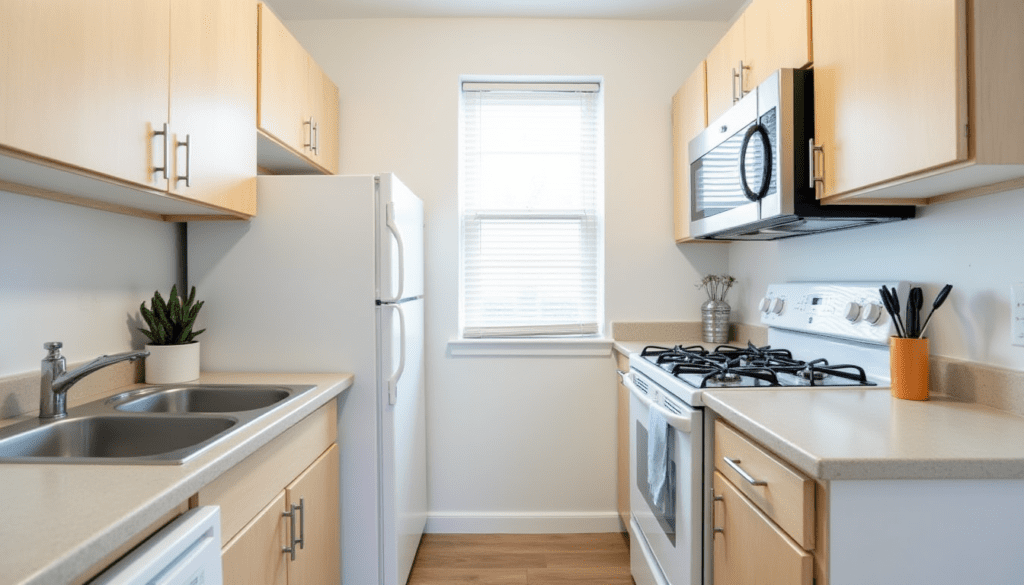
In Newark, NJ, rental properties often come with appliances that tenants rely on every day. Refrigerators, stoves, dishwashers, and laundry machines are not just conveniences — they are central to how a rental unit functions. Because of this, appliance maintenance is one of the most common points of confusion and disagreement between landlords and tenants. Understanding how appliance responsibilities are typically handled in Newark rentals helps reduce misunderstandings, improves tenant satisfaction, and protects the long-term value of the property.
For landlords, appliance repairs are not just about fixing what breaks. They are closely tied to tenant expectations, property reputation, maintenance planning, and overall rental performance. For tenants, knowing what is normally handled by the landlord versus what falls under tenant responsibility makes it easier to report issues properly and avoid unnecessary conflict. This guide focuses on real-world rental practices in Newark and similar New Jersey markets, using practical examples and property management experience rather than legal theory.
Whether you are a first-time landlord managing a small multi-family building or an experienced investor overseeing multiple units, having a clear approach to appliance repairs can save time, money, and frustration. The sections below walk through how appliance responsibilities usually work, what “provided appliances” really means, and what landlords are commonly expected to handle when appliances stop working.
Why Appliance Responsibilities Matter in Newark Rentals
Newark’s rental market is competitive and diverse, with tenants ranging from students and young professionals to long-term families. In this environment, appliance reliability plays a major role in tenant retention. A broken refrigerator or non-functioning stove can quickly escalate into tenant dissatisfaction if not handled promptly and professionally.
Appliance issues are also one of the top maintenance requests property managers receive in Newark. Unlike cosmetic concerns, appliance failures often disrupt daily routines. When repairs are delayed or responsibilities are unclear, tenants may feel ignored, while landlords may feel taken advantage of. Clear expectations help both sides stay aligned.
From a property management standpoint, consistent appliance maintenance also helps prevent larger problems. For example, a leaking dishwasher can cause water damage to cabinets and flooring if not addressed early. A malfunctioning dryer can create moisture issues that affect indoor air quality. Addressing appliance problems promptly protects the property itself, not just tenant comfort.
Landlords who manage appliance responsibilities well often see fewer emergency calls, better online reviews, and longer tenant stays. This is why many professional property managers in Newark, including firms like RentShield Property Management, emphasize proactive maintenance planning and clear communication around appliance care.
What “Provided Appliances” Means in a Rental Unit
One of the most important concepts in appliance responsibility is whether an appliance is considered “provided” by the landlord. In Newark rentals, this generally means any appliance that was already installed and available for tenant use at the time the lease began. Provided appliances are typically listed in the lease or visible during the move-in inspection.
Common provided appliances include refrigerators, stoves, ovens, dishwashers, built-in microwaves, and sometimes washers and dryers. Even if an appliance is older, once it is offered as part of the rental unit, tenants usually expect it to remain functional throughout their tenancy.
Confusion often arises when appliances are optional or shared. For example, a washer and dryer located in a basement laundry area may still be considered provided if tenants are expected to use them as part of the rental agreement. Clear documentation at move-in helps avoid disagreements later.
Professional landlords in Newark often use detailed move-in checklists to record appliance condition. This practice is highlighted in resources like Rental Inspection Checklists for Newark Landlords, which help establish a clear baseline for future maintenance discussions.
Essential vs Non-Essential Appliances
Not all appliances are viewed the same way by tenants. Essential appliances are those most renters consider necessary for basic daily living. In Newark, this typically includes refrigerators and cooking appliances such as stoves and ovens. When these fail, tenants usually expect faster response times due to the immediate disruption they cause.
Non-essential appliances may include dishwashers, built-in microwaves, or in-unit laundry machines. While still important, tenants may be more flexible with repair timelines for these items, depending on what was agreed upon at move-in.
Understanding how tenants perceive different appliances helps landlords prioritize repairs and communicate more effectively when scheduling service calls.
Examples of Common Appliances in Newark Rentals
In many Newark apartments, refrigerators and gas stoves are standard, especially in older buildings. Dishwashers are more common in renovated units and newer developments. Washer and dryer setups vary widely, ranging from shared basement units to full in-unit systems in higher-end rentals.
Each of these appliances comes with different maintenance considerations. Older gas stoves may require more frequent servicing, while modern dishwashers often involve electronic components that need specialized repair technicians.
Typical Landlord Responsibilities for Appliance Repairs
When an appliance that was provided with the rental unit stops working under normal use, landlords are generally expected to handle the repair or replacement. This expectation is rooted in common rental practices and tenant experience rather than abstract rules.
Most Newark landlords budget annually for appliance maintenance because wear and tear is inevitable. Refrigerators lose efficiency, oven igniters fail, and washing machines develop drainage issues over time. Treating these repairs as a standard cost of doing business leads to smoother operations.
Working with reliable local vendors is also critical. Property managers often maintain a list of trusted appliance repair professionals who can respond quickly, minimizing downtime for tenants.
Normal Wear and Tear Repairs
Normal wear and tear refers to issues that arise from everyday use rather than misuse or neglect. Examples include a refrigerator that no longer cools properly, a stove burner that stops igniting, or a dishwasher pump that wears out after years of operation.
In these cases, landlords typically coordinate repairs, cover the cost, and communicate timelines clearly to tenants. Keeping records of repairs helps track appliance lifespan and plan future replacements.
Emergencies and Critical Appliances
Some appliance failures require faster attention than others. A refrigerator that stops working entirely can lead to food spoilage, while a malfunctioning stove may prevent tenants from preparing meals safely. These situations are often treated as high priority.
Landlords who respond quickly to these issues build trust with tenants and reduce the likelihood of complaints or negative reviews. Many Newark property owners choose to have emergency maintenance protocols in place for this reason.
Response Time Expectations
While exact response times vary, tenants generally expect acknowledgment of an appliance issue within a day and a clear plan for repair shortly after. Even if a repair cannot be completed immediately, regular updates go a long way in maintaining good landlord-tenant relationships.
Clear communication about scheduling, parts availability, and expected completion times helps manage expectations and reduce frustration.
Tenant’s Role in Reporting Issues and Upkeep
Although landlords handle most appliance repairs, tenants play an important role in keeping appliances in working order. Proper use and timely reporting of problems help prevent minor issues from becoming major repairs.
Tenants are generally expected to use appliances as intended, follow basic care instructions, and notify the landlord promptly when something is not working correctly. Delayed reporting can sometimes lead to more extensive damage.
Many Newark landlords encourage tenants to submit maintenance requests in writing or through an online portal. This creates a clear record and allows issues to be prioritized efficiently.
How to Report Appliance Problems
Effective reporting includes describing the problem clearly, noting when it started, and mentioning any unusual sounds, smells, or error codes. Photos or short videos can also help landlords and repair technicians diagnose issues faster.
Tenants who communicate clearly often see quicker resolutions, as landlords can dispatch the right professional without unnecessary delays.
What Tasks Tenants Usually Handle
Basic upkeep tasks, such as cleaning appliance filters, wiping down surfaces, and avoiding overloading machines, are typically the tenant’s responsibility. These simple steps help extend appliance life and reduce breakdowns.
When tenants and landlords both understand their roles, appliance maintenance becomes a cooperative process rather than a source of conflict.
Need help managing appliance maintenance or tenant communication for your Newark rental? Professional property management services like RentShield can coordinate repairs, inspections, and vendor relationships to keep your property running smoothly.
How Lease Agreements Affect Appliance Repair Responsibility
The lease agreement plays a central role in setting expectations around appliance repairs in Newark rental properties. While many tenants focus on rent amount and lease length, appliance-related clauses often determine how maintenance issues are handled during the tenancy. Clear, well-written lease language helps prevent confusion and protects both parties from unnecessary disputes.
In most professionally managed Newark rentals, the lease clearly states which appliances are included with the unit. These appliances are typically the landlord’s responsibility to maintain in working condition, assuming normal use. When leases are vague or silent on appliance responsibility, disagreements are more likely to occur when something breaks.
Landlords who operate multiple properties often standardize their lease language to avoid inconsistencies. This approach ensures tenants receive the same expectations across units and simplifies maintenance decision-making. Property management companies commonly review lease terms during move-in to ensure tenants understand how appliance issues should be reported and addressed.
Common Lease Clauses About Appliance Responsibilities
Many Newark leases include language stating that appliances provided by the landlord will be maintained by the landlord, except in cases of tenant misuse or neglect. Some agreements may specify response times, approved repair vendors, or instructions for emergency situations involving appliances.
Other leases clarify that tenant-owned appliances brought into the unit are not covered by the landlord. This distinction becomes important when tenants install their own washers, dryers, or countertop appliances that later malfunction.
Including these details in writing reduces misunderstandings and helps landlords justify repair decisions if questions arise later.
Why Clear Language Reduces Disputes
Clear lease language sets a professional tone from the beginning of the tenancy. When tenants know exactly what to expect, they are less likely to assume responsibilities that do not belong to them or expect services that were never offered.
For landlords, clarity makes enforcement easier. If a tenant damages an appliance through improper use, documented lease terms support the landlord’s position when discussing repair costs or deductions.
Normal Wear and Tear vs Tenant-Caused Damage
One of the most common areas of disagreement in Newark rentals is whether an appliance issue is due to normal wear and tear or tenant-caused damage. Understanding the difference is essential for fair and consistent maintenance decisions.
Normal wear and tear refers to the gradual decline of an appliance’s condition due to everyday use over time. Even well-maintained appliances eventually experience component failure, reduced efficiency, or cosmetic aging. These issues are generally considered part of owning and operating a rental property.
Tenant-caused damage, on the other hand, results from misuse, neglect, or intentional actions. Examples include broken knobs from excessive force, clogged washing machines due to improper items, or damage caused by ignoring early warning signs.
Defining Wear and Tear in Appliances
In practical terms, wear and tear might include a refrigerator that no longer maintains consistent temperature, an oven igniter that fails after years of use, or a dishwasher seal that deteriorates over time. These are predictable issues that landlords plan for when budgeting maintenance expenses.
Keeping maintenance records helps demonstrate that an appliance issue is age-related rather than caused by tenant behavior. This documentation is especially useful for long-term tenancies.
When Tenants Are Responsible
Tenants may be responsible for repairs if damage is clearly linked to misuse. Examples include forcing appliance doors, disabling safety features, or failing to report leaks that cause secondary damage.
In these cases, landlords often explain the issue, provide repair documentation, and outline any associated costs. Transparent communication helps maintain trust, even when tenants are responsible for part of the expense.
Best Practices for Landlords Handling Repairs
Successful landlords in Newark follow consistent best practices when it comes to appliance repairs. These practices not only improve tenant satisfaction but also reduce long-term costs and operational stress.
One key practice is proactive maintenance. Scheduling periodic inspections allows landlords to identify early signs of appliance failure before they become emergencies. This approach is commonly recommended by experienced property managers.
Another best practice is working with qualified repair professionals rather than attempting quick fixes. Professional repairs tend to last longer and reduce repeat service calls.
Documentation and Move-In Checklists
Documenting appliance condition at move-in sets a clear baseline. Photos, written notes, and inspection forms help establish that appliances were functional when the tenant took possession.
This documentation aligns with recommendations found in resources like the Newark rental inspection checklist, which emphasizes consistency and accuracy.
Using Professional Repair Services
Reliable repair vendors are invaluable. Many Newark landlords maintain relationships with appliance technicians who understand rental property needs and can respond quickly.
For landlords seeking vetted service providers, guides such as finding a reliable handyman for Newark rentals offer practical insights into choosing dependable professionals.
What Happens If Repairs Aren’t Made Promptly
Delays in appliance repairs can create frustration for tenants and escalate minor problems into larger issues. A small refrigerator malfunction, for example, can lead to food loss and repeated complaints if not addressed quickly.
From an operational perspective, delayed repairs often cost more in the long run. What could have been a simple part replacement may turn into a full appliance replacement if ignored.
Prompt response and clear communication are often more important to tenants than immediate resolution. Even when parts are on order or schedules are tight, regular updates help maintain positive relationships.
Safety and Habitability Considerations
Appliances in a rental property do more than provide convenience — they can directly affect safety and daily livability. In Newark rentals, malfunctioning appliances sometimes create risks that go beyond inconvenience, especially when they involve gas, electricity, or water connections.
For example, a stove that does not ignite properly or emits unusual odors may raise safety concerns that require immediate attention. Similarly, a leaking washing machine or dishwasher can create slip hazards and lead to hidden water damage if left unresolved. Landlords who address these issues promptly help maintain a safe living environment and protect the physical condition of the property.
Routine maintenance checks are one way landlords reduce safety risks. Inspecting appliance connections, hoses, and vents during regular property inspections can uncover early warning signs. This proactive approach is commonly recommended by New Jersey property management professionals and aligns with habitability expectations outlined by state housing authorities such as the New Jersey Department of Community Affairs.
Tenants also play a role by reporting unusual sounds, smells, or performance issues early. When both parties treat appliance safety seriously, problems are easier to manage and less likely to escalate.
Common Appliance Repair Scenarios in Newark Rentals
While every property is different, certain appliance issues appear repeatedly across Newark rental units. Understanding these common scenarios helps landlords prepare for maintenance requests and set realistic expectations with tenants.
Refrigerator cooling problems are among the most frequent complaints, especially during summer months. These issues may stem from worn compressors, faulty thermostats, or blocked airflow. Washing machine drainage problems are also common, often caused by worn pumps or improper loading.
Dishwashers that fail to clean properly or leak around the door are another frequent concern. In many cases, these problems develop gradually and can be resolved more easily when addressed early.
Experienced landlords recognize patterns in these requests and plan accordingly by budgeting for repairs and maintaining relationships with reliable service providers.
Real Newark Rental Examples
In older Newark buildings, appliances often face heavier use and longer service lives. For instance, a multi-family property with shared laundry facilities may experience higher wear on washers and dryers compared to single-unit rentals. Landlords managing these properties often schedule preventive servicing to reduce breakdowns.
In newer or recently renovated units, appliance issues are more likely to involve electronic components or control boards. While these appliances may be more efficient, they can require specialized repair technicians when problems arise.
Property managers working across Newark neighborhoods frequently adjust maintenance strategies based on building age, tenant demographics, and appliance type. This tailored approach helps control costs while maintaining tenant satisfaction.
Cost Expectations: Repairs vs Replacement
Another key consideration for landlords is deciding when to repair an appliance versus when to replace it. In many Newark rentals, this decision depends on the appliance’s age, repair history, and overall condition.
Minor repairs, such as replacing a heating element or valve, are often cost-effective and extend the appliance’s useful life. However, repeated repairs on aging appliances can quickly add up, making replacement the more practical option.
Landlords who track maintenance expenses over time can identify when an appliance is nearing the end of its lifecycle. This data-driven approach supports smarter budgeting and avoids unexpected failures during a tenant’s lease term.
Replacing appliances proactively can also improve tenant satisfaction and property appeal, particularly in competitive rental markets like Newark.
How to Avoid Common Appliance Repair Disputes
Most appliance-related disputes can be avoided through clear communication, documentation, and consistent practices. Setting expectations at move-in, responding promptly to maintenance requests, and keeping detailed records all contribute to smoother landlord-tenant relationships.
Using written maintenance request systems helps ensure nothing is overlooked and creates a transparent process for both parties. When tenants understand how repairs are handled and landlords follow through consistently, trust builds over time.
Regular inspections and preventive maintenance further reduce the likelihood of disputes by addressing issues before they disrupt daily living.
Final Thoughts for Newark Landlords and Tenants
Appliance repair responsibilities are a practical reality of managing rental properties in Newark, NJ. When landlords approach appliance maintenance as an ongoing operational responsibility and tenants communicate issues responsibly, the result is a more stable and positive rental experience.
Clear lease language, proactive maintenance, and professional repair coordination all contribute to fewer conflicts and better outcomes for everyone involved. By focusing on consistency and communication, landlords can protect their investments while providing reliable housing for tenants.
Frequently Asked Questions About Appliance Repairs in Newark Rentals
Who is usually responsible for fixing appliances in a Newark rental?
In most Newark rental situations, appliances that were provided with the unit at move-in are typically maintained by the landlord when issues arise from normal use. This includes common items such as refrigerators, stoves, ovens, and dishwashers. Industry guidance from housing and rental resources like Nolo explains that when a landlord supplies an appliance, tenants generally expect it to remain functional throughout the tenancy under normal conditions.
For additional background on how appliance responsibility is commonly viewed in rentals, you can review general guidance from Nolo’s appliance repair overview here: landlord responsibility for appliance repair.
What appliances do tenants usually expect landlords to maintain?
Tenants in Newark typically expect landlords to maintain core household appliances that support everyday living. These usually include refrigerators and cooking appliances such as stoves and ovens. Dishwashers and in-unit laundry machines are also commonly included when they are part of the rental offering.
Expectations are often shaped by what was advertised, shown during the property tour, and documented in the lease agreement. Appliances that were clearly presented as amenities are usually treated as part of the landlord’s ongoing maintenance responsibilities.
How quickly should landlords respond to appliance repair requests?
While response times can vary depending on the issue, tenants generally expect acknowledgment of appliance problems within a short timeframe and a clear plan for repair. Appliances that affect food storage or meal preparation often require quicker attention than non-essential items.
Many Newark property owners aim to follow habitability and safety guidance outlined by the New Jersey Department of Community Affairs, which emphasizes maintaining rental units in livable condition. More information on habitability standards can be found directly through the state’s housing resources: New Jersey habitability guidelines.
What is the difference between normal wear and tenant damage?
Normal wear occurs as appliances age through everyday use. Components eventually fail, efficiency decreases, and parts need replacement. These situations are commonly handled by landlords as part of routine maintenance.
Tenant damage usually involves misuse, neglect, or failure to report problems in a timely manner. Examples include forcing appliance doors, using machines improperly, or ignoring leaks that cause additional damage. Clear documentation and communication help determine responsibility when questions arise.
Can appliance responsibilities be clarified in the lease?
Yes, and this is one of the most effective ways to avoid disputes. Many experienced New Jersey landlords include specific language in their leases outlining which appliances are included and how repairs are handled. Property management resources such as NJ Property Manager regularly emphasize the importance of written maintenance expectations for smoother landlord-tenant relationships.
Landlords interested in broader maintenance responsibility guidance can explore educational articles like this overview from NJ Property Manager: landlord maintenance responsibilities in NJ.
Why do professional property managers focus so much on appliance maintenance?
Appliance issues are among the most frequent maintenance requests in Newark rentals. Professional property managers focus on them because unresolved appliance problems can quickly affect tenant satisfaction, online reviews, and lease renewals.
By using preventive maintenance, trusted vendors, and clear communication systems, property managers reduce emergencies and protect property value. This approach allows landlords to focus on long-term performance rather than constant reactive repairs.
If managing appliance repairs, tenant communication, and inspections feels time-consuming, working with a Newark-based property management team can help streamline maintenance, reduce disputes, and keep your rental operating efficiently.