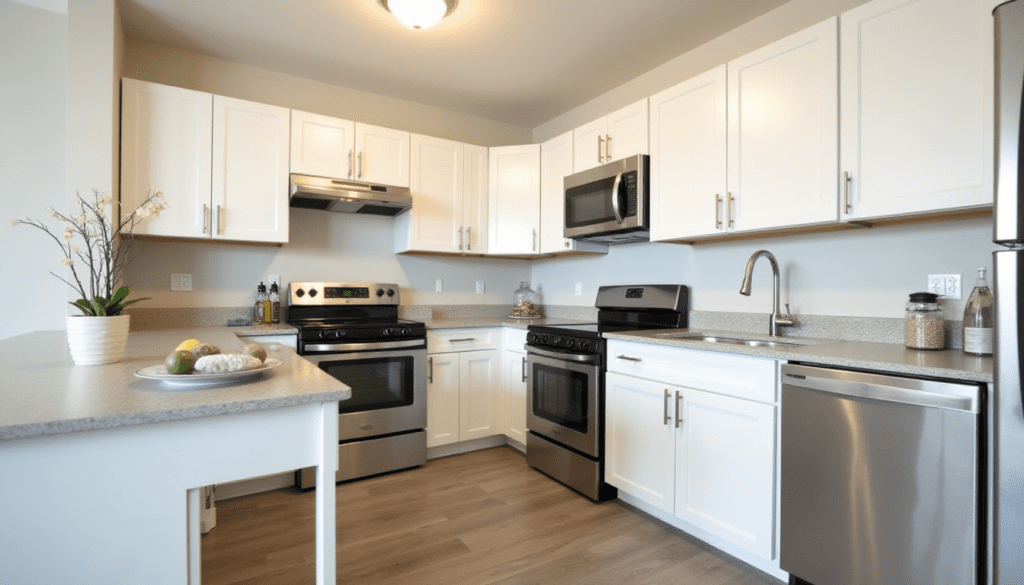
In Essex County, New Jersey, appliances play a major role in how tenants experience their rental homes and how property owners maintain long-term value. From refrigerators and stoves to dishwashers and laundry machines, appliances are often central to daily living. When something breaks, confusion can arise quickly over who is responsible for fixing or replacing it. Understanding how appliance repair responsibilities typically work helps reduce disputes, improve tenant satisfaction, and protect rental investments.
This guide focuses on practical, real-world expectations around appliance repairs in Essex County rental properties. It explains how responsibility is commonly determined, what tenants usually expect, and how landlords can stay proactive with maintenance. Whether you own a single-family rental or manage a multi-unit building, having clarity around appliance upkeep is essential for smooth operations and long-term success.
Overview of Appliance Responsibilities in Rental Properties
Appliance responsibility in rental properties is generally tied to whether the appliance was provided as part of the rental unit. In Essex County rentals, appliances that are included at move-in are typically expected to be kept in working condition throughout the lease term. This expectation exists because tenants choose a property based on the features offered, and appliances are often a deciding factor.
Most tenants assume that essential appliances such as refrigerators and cooking equipment will function properly without requiring them to arrange or pay for repairs. For property owners, this means planning ahead for maintenance costs and understanding how appliance issues can impact tenant retention. Clear expectations help reduce misunderstandings and ensure that appliance problems are addressed efficiently.
Appliance responsibility also varies depending on property type. Large apartment complexes often include a standard set of appliances across all units, while smaller rental homes may differ. In either case, consistency in how repairs are handled helps establish trust and avoids unnecessary disputes.
Common Appliances Typically Found in Essex County Rentals
Rental properties in Essex County commonly include a core set of appliances designed to support everyday living. Kitchens almost always feature a refrigerator and stove or oven, while many units also include dishwashers and built-in microwaves. These appliances are considered fundamental to the rental experience, especially in long-term leases.
Laundry appliances vary more widely. Some properties provide in-unit washers and dryers, while others offer shared laundry rooms or none at all. Heating and cooling equipment, though sometimes overlooked, are also critical appliances that require ongoing attention to keep properties comfortable year-round.
Because appliances are used daily, they experience regular wear. Property owners who understand which appliances are most prone to breakdowns can plan preventive maintenance and replacements before issues disrupt tenants. This proactive approach reduces emergency calls and helps control repair costs over time.
How Appliance Ownership Affects Repair Responsibility
Ownership is one of the most important factors in determining appliance repair responsibility. Appliances that belong to the property owner and are supplied with the rental unit are generally expected to be maintained by the owner. This includes addressing mechanical failures, electrical issues, and normal wear that occurs during regular use.
Tenant-owned appliances, on the other hand, are typically outside the scope of landlord maintenance. If a tenant brings their own refrigerator, washer, or specialty appliance into the unit, repairs usually fall to them. Clear documentation at move-in helps avoid confusion later, especially when tenants install or remove appliances during their tenancy.
For property owners, keeping an updated inventory of supplied appliances is a smart practice. This makes it easier to track age, condition, and service history. It also helps determine whether repair or replacement is the most cost-effective option when problems arise.
Differences Between Supplied and Tenant-Owned Appliances
The distinction between supplied and tenant-owned appliances becomes especially important when something stops working. Supplied appliances are part of the rental offering, and tenants rely on them to function as expected. When these appliances fail, tenants often report the issue immediately and expect timely resolution.
Tenant-owned appliances introduce a different dynamic. Property owners may still need to ensure that the appliance does not create safety hazards or damage the unit, but they are not typically responsible for performance or repair. This distinction is particularly relevant in cases involving water connections, electrical hookups, or ventilation systems.
Clear communication at lease signing helps prevent misunderstandings. When tenants know exactly which appliances are included and which are their responsibility, repair requests are more straightforward. This clarity also protects property owners from being held responsible for appliances they do not own or control.
Refrigerator Repair Expectations in Rental Units
Refrigerators are among the most critical appliances in any rental property. Because they store food and medications, even short outages can cause significant inconvenience. In Essex County rentals, refrigerators provided by the property owner are generally expected to remain in working order throughout the tenancy.
Common refrigerator issues include temperature fluctuations, faulty compressors, broken door seals, and ice maker malfunctions. Addressing these problems promptly helps prevent food spoilage and tenant frustration. Many property owners choose to replace older refrigerators rather than repeatedly repairing them, especially when energy efficiency is a concern.
Preventive maintenance can extend the life of a refrigerator. Simple steps such as cleaning condenser coils, checking door gaskets, and ensuring proper ventilation can reduce the risk of breakdowns. For multi-unit properties, standardizing refrigerator models can also simplify repairs and parts sourcing.
As properties age, refrigerators often become one of the first appliances to need replacement. Planning for this expense as part of long-term property maintenance helps avoid emergency situations and keeps tenants satisfied with their living conditions.
If you’re managing rental properties in Essex County and want fewer appliance emergencies, proactive maintenance and professional oversight can make a noticeable difference.
Stove, Oven, and Cooktop Maintenance Responsibilities
Cooking appliances such as stoves, ovens, and cooktops are central to everyday living in rental homes. When these appliances are included with the property, tenants generally expect them to work safely and consistently. Burners that fail to ignite, ovens that do not maintain temperature, or electrical cooktops that stop responding can quickly disrupt daily routines.
Gas stoves require particular attention due to safety concerns. Issues such as uneven flames, gas odors, or ignition failures should be addressed promptly to avoid escalation. Electric stoves and ovens present their own challenges, including faulty heating elements, damaged wiring, or control panel malfunctions. Regardless of type, routine inspections and timely repairs help prevent small problems from becoming larger, more expensive ones.
Property owners who schedule periodic checks for cooking appliances often see fewer emergency repair requests. Keeping appliance manuals on file and using qualified service technicians also ensures repairs are done correctly and efficiently.
Dishwasher Repair and Replacement Considerations
Dishwashers have become a standard feature in many Essex County rental units, particularly in updated apartments and single-family homes. While not always considered essential, tenants increasingly view dishwashers as a key convenience. When provided, they are expected to function properly throughout the lease.
Common dishwasher issues include drainage problems, leaking seals, malfunctioning spray arms, and control panel failures. Left unaddressed, leaks can cause water damage to cabinetry and flooring, increasing repair costs beyond the appliance itself. Quick response to early warning signs is one of the best ways to limit damage.
Older dishwashers may require frequent repairs, making replacement a more practical option. Newer models often offer better energy efficiency and quieter operation, which can improve tenant satisfaction. For property owners, weighing repair costs against long-term benefits is an important part of appliance management.
Washer and Dryer Responsibilities in Multi-Unit Properties
Laundry appliances vary widely across Essex County rentals. Some properties offer in-unit washers and dryers, while others rely on shared laundry facilities. When washers and dryers are supplied as part of the rental, tenants generally expect them to be maintained in usable condition.
In multi-unit buildings, shared laundry equipment experiences heavier use and typically requires more frequent servicing. Broken belts, clogged drains, and electrical issues are common over time. Establishing a regular maintenance schedule can reduce downtime and frustration for tenants who depend on these machines.
Clear guidelines on proper use can also extend the life of laundry appliances. Simple measures such as posting load limits or discouraging misuse help reduce avoidable damage and repair requests.
HVAC-Related Appliances and Ongoing Maintenance
Heating and cooling systems are among the most important appliances in any rental property. While often thought of separately from kitchen or laundry appliances, HVAC systems require the same level of attention and care. Consistent performance is essential for comfort, especially during extreme seasonal temperatures common in New Jersey.
Routine maintenance such as filter replacements, system inspections, and cleaning helps HVAC units run efficiently and reduces the likelihood of sudden breakdowns. Tenants typically report issues like uneven heating, unusual noises, or poor airflow, all of which signal the need for professional evaluation.
Proactive HVAC maintenance not only improves tenant comfort but also helps control energy costs and extend the life of the system. For property owners, this translates into fewer emergency calls and more predictable maintenance expenses.
Garbage Disposals and Built-In Appliance Issues
Garbage disposals and other built-in appliances are often overlooked until they stop working. When included in a rental unit, these features are generally expected to remain functional with normal use. Common problems include jams, motor burnout, and drainage issues.
Disposals are particularly sensitive to misuse, such as attempting to grind hard or fibrous materials. Educating tenants on proper use can significantly reduce repair frequency. When issues do arise, addressing them promptly helps prevent plumbing backups and unpleasant odors.
Built-in appliances add convenience and value to rental properties, but they also require thoughtful maintenance. Keeping these systems in good working order contributes to a smoother rental experience for everyone involved.
Handling Appliance Breakdowns During a Lease Term
Appliance breakdowns during an active lease are one of the most common friction points in rental properties. Tenants rely on supplied appliances daily, so when something stops working, expectations for response time are often high. Clear processes for reporting issues and scheduling repairs help keep situations from escalating.
Many property owners find it helpful to centralize maintenance requests through email or an online portal. This creates a record of when issues were reported and how they were addressed. It also allows owners or managers to prioritize repairs based on urgency, especially when multiple requests come in at the same time.
Responding promptly, even if a repair cannot be completed immediately, reassures tenants that the issue is being taken seriously. Regular communication during the repair process reduces frustration and builds long-term trust between tenants and property owners.
Emergency Appliance Failures and Response Timelines
Not all appliance problems carry the same level of urgency. While a broken dishwasher may be inconvenient, a failed refrigerator or heating system can quickly become an emergency. Understanding which appliance failures require immediate attention helps property owners allocate resources effectively.
Refrigerator failures can lead to food spoilage, while heating or cooling issues can make a unit uncomfortable or unlivable during extreme weather. In these situations, faster response times are typically expected. Many owners establish relationships with local repair vendors to ensure quick service when emergencies arise.
Having contingency plans, such as temporary appliance replacements or alternative accommodations, can help minimize disruption. These measures demonstrate professionalism and reduce the likelihood of prolonged tenant dissatisfaction.
Wear and Tear Versus Misuse in Appliance Damage
Normal wear and tear is an unavoidable part of appliance ownership. Over time, components degrade due to regular use, even when appliances are handled properly. Distinguishing between expected wear and damage caused by misuse is an important part of managing repair responsibilities.
Examples of normal wear include aging motors, worn seals, or reduced efficiency after years of operation. Misuse, on the other hand, may involve overloading machines, ignoring usage guidelines, or attempting unauthorized repairs. Documenting appliance condition at move-in and conducting periodic inspections can help clarify responsibility when issues arise.
Clear expectations around proper use benefit both parties. When tenants understand how to operate appliances correctly, breakdowns become less frequent, and disputes are easier to resolve.
Communication Best Practices Between Property Owners and Tenants
Open and respectful communication plays a major role in how appliance issues are handled. Tenants are more likely to report small problems early when they feel their concerns will be addressed. Early reporting often prevents minor issues from turning into costly repairs.
Providing tenants with basic troubleshooting guidance can also be helpful. Simple steps such as resetting a breaker or checking a power connection can sometimes resolve issues without the need for a service call. However, tenants should also know when to stop and request professional assistance.
Consistent communication standards, including response time expectations and preferred contact methods, help set the tone for a positive rental relationship.
Preventive Maintenance Tips to Reduce Appliance Repairs
Preventive maintenance is one of the most effective ways to reduce appliance-related expenses. Routine inspections, cleaning, and servicing help appliances operate more efficiently and last longer. For example, cleaning dryer vents reduces fire risk, while maintaining refrigerator coils improves performance.
Scheduling annual or semi-annual maintenance checks allows potential issues to be identified early. Property owners who take this proactive approach often experience fewer emergency calls and lower overall repair costs. Preventive maintenance also supports consistent appliance performance, which tenants appreciate.
Keeping maintenance records provides valuable insight into appliance lifespan and replacement timing. This information helps with budgeting and long-term property planning.
How Professional Property Management Helps With Appliance Issues
Managing appliance repairs across one or multiple properties can be time-consuming. Professional property management services help streamline this process by coordinating maintenance, working with trusted vendors, and ensuring timely responses to tenant requests.
Experienced property managers understand which appliance issues require immediate attention and which can be scheduled. They also monitor appliance condition over time, helping owners make informed decisions about repairs versus replacements. This level of oversight reduces stress for owners and improves consistency for tenants.
By handling communication, scheduling, and follow-up, professional management allows property owners to focus on long-term goals while maintaining high standards for appliance care and tenant satisfaction.
Common Questions Tenants and Owners Ask About Appliance Repairs
Who usually handles appliance repairs in rental properties?
In most rental situations, appliances that are provided with the unit at move-in are maintained by the property owner. Tenants generally report issues when appliances stop working, and repairs are coordinated through the owner or property manager. This setup helps ensure consistency and keeps repairs aligned with the overall condition of the property.
What happens if an appliance stops working unexpectedly?
When an appliance fails without warning, the first step is reporting the issue as soon as possible. Timely reporting helps prevent secondary damage, such as water leaks or electrical problems. Owners or managers typically assess whether the issue can be repaired quickly or if replacement is the better long-term option.
Are tenants expected to maintain appliances?
Tenants are generally expected to use appliances properly and report problems early. Basic care, such as keeping appliances clean and following usage guidelines, helps reduce breakdowns. Routine servicing and mechanical repairs, however, are usually handled by the property owner for supplied appliances.
How long do common rental appliances typically last?
Appliance lifespan varies based on usage, quality, and maintenance. Refrigerators often last 10–15 years, stoves and ovens can last even longer, and dishwashers typically last around 8–12 years. Regular maintenance can significantly extend these timelines and reduce unexpected failures.
Can preventive maintenance really reduce repair costs?
Yes, preventive maintenance is one of the most effective ways to control appliance-related expenses. Addressing minor issues early helps avoid major breakdowns, extends appliance life, and improves overall tenant satisfaction.
Why Appliance Management Matters for Long-Term Rental Success
Appliances are more than just features in a rental property. They influence tenant comfort, retention, and the overall reputation of a rental business. Properties with well-maintained appliances tend to receive fewer complaints, experience lower turnover, and maintain stronger long-term value.
For owners managing multiple units or balancing other responsibilities, appliance issues can quickly become overwhelming. This is where experienced property management support becomes especially valuable. Coordinated maintenance, reliable vendor relationships, and consistent communication all contribute to smoother operations.
Working with a local team that understands Essex County rental expectations can make appliance management far more predictable. Many owners choose to partner with professional managers to reduce stress, protect their investments, and provide tenants with a better rental experience.
Learn how professional rental oversight can simplify appliance maintenance and protect your property by exploring services at RentShield Property Management.
If you’re managing rental properties in Essex County and want fewer appliance emergencies, proactive maintenance and professional oversight can make a noticeable difference.