

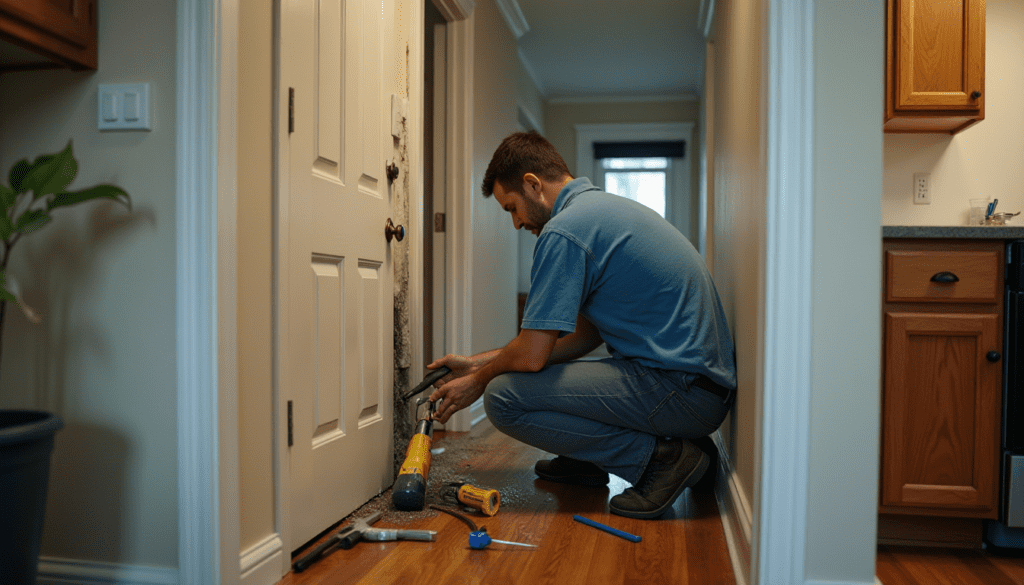
Emergency situations in rental properties rarely arrive with warning. A pipe can burst in the middle of the night, a heating system can fail during freezing temperatures, or an electrical issue can suddenly create a serious safety concern. In moments like these, questions often arise around access, privacy, and expectations—especially when someone needs to enter a rental unit quickly to prevent damage or keep occupants safe. For renters and property owners in Plainfield NJ, understanding how emergency repairs typically unfold helps reduce confusion, stress, and conflict when every minute counts.
This guide focuses on real-world scenarios rather than theory. It walks through what emergency entry looks like in practice, how communication usually happens, and how both tenants and landlords can prepare ahead of time. The goal is clarity, not confrontation—because emergencies are challenging enough without uncertainty about what should happen next.
Understanding Emergency Entry in Rental Properties
Emergency entry is generally understood as access to a rental unit that happens urgently due to a situation that could cause immediate harm, significant property damage, or loss of essential services. Unlike routine maintenance or inspections, emergency situations do not follow a predictable schedule. They require fast action, often outside of normal business hours, and sometimes when the tenant is not home.
In Plainfield NJ, many renters search online for clarity during these stressful moments, especially when they return home to discover that repairs were completed in their absence. While the idea of someone entering a rental without direct permission can feel invasive, emergencies operate under a different set of expectations centered on safety and damage prevention.
What Counts as an Emergency in a Rental Property
An emergency typically involves a situation that cannot wait without risking injury or serious damage. Common examples include uncontrolled water leaks, strong gas odors, electrical hazards like sparking outlets, or complete loss of heat during extreme cold. These are the kinds of problems where delaying action—even briefly—can make the situation worse.
For tenants, recognizing what qualifies as an emergency helps set realistic expectations. For property managers and landlords, correctly identifying emergencies ensures that access is used responsibly and only when truly necessary.
Emergency Repairs vs. Non-Emergency Maintenance
Not every repair request qualifies as an emergency. A dripping faucet, cosmetic damage, or an appliance that still partially works may be inconvenient but does not usually require immediate entry. These situations are normally scheduled with notice and coordination.
Understanding the difference matters because emergency repairs often bypass the usual back-and-forth communication. When something poses a risk to people or the property itself, the priority shifts to immediate resolution rather than scheduling convenience.
Landlord Access During Emergency Repairs
When an emergency occurs, access to the rental unit becomes a practical necessity. In many cases, the person responding may be a property manager, maintenance technician, or emergency contractor. Their goal is not inspection or evaluation—it is to stop the problem before it escalates.
Tenants in Plainfield NJ often ask whether landlords should still attempt contact before entering. In practice, most do. A quick phone call, text message, or email is usually attempted first, even if there is little time to wait for a response.
Entering Without Direct Tenant Permission
Emergency repairs sometimes happen when the tenant is unreachable. Phones may be off, messages may go unanswered, or the situation may worsen by the minute. In these cases, entry may still occur to address the issue promptly.
From a tenant’s perspective, discovering that entry occurred without direct permission can feel unsettling. Clear follow-up communication—such as a message explaining what happened, what was fixed, and whether further work is needed—goes a long way toward maintaining trust.
When Contact Is Attempted First
Best practices almost always involve attempting contact before entry, even during emergencies. This shows respect for tenant privacy and keeps everyone informed. Many property management companies encourage tenants to provide multiple contact methods for this exact reason.
Providing updated phone numbers, emergency contacts, and preferred communication methods helps ensure that if an emergency repair is needed, tenants are not left in the dark.
Tenant Expectations and Practical Communication Tips
Preparation is one of the most effective ways to reduce stress during emergency repairs. Tenants who understand how emergencies are typically handled are less likely to feel caught off guard when something unexpected happens.
Clear communication works both ways. Tenants benefit from knowing who to contact, while landlords benefit from knowing how to reach tenants quickly.
Keeping Emergency Contact Information Updated
One of the simplest but most overlooked steps is keeping contact information current. This includes phone numbers, email addresses, and even a trusted emergency contact if the tenant will be unreachable for an extended period.
When emergencies occur, outdated contact information can delay repairs or force entry without notice. Keeping records updated helps prevent both outcomes.
Access Instructions and Special Considerations
Some tenants have pets, alarm systems, or specific access concerns. Sharing this information in advance—such as how to secure a pet or disarm an alarm—can make emergency entry smoother and safer for everyone involved.
These small details often make a big difference when repairs must happen quickly.

Common Emergency Repair Scenarios in Rentals
While emergencies can vary, certain situations occur more frequently than others in rental properties. Recognizing these common scenarios helps tenants understand why rapid access may be necessary.
Water Leaks and Burst Pipes
Water damage spreads quickly. A burst pipe can affect not only one unit but neighboring apartments as well. Emergency entry in these cases is often unavoidable to shut off water and minimize damage.
Heating, Electrical, and Gas Issues
Loss of heat during cold weather, exposed wiring, or gas-related concerns are treated with urgency due to safety risks. These situations often require immediate professional attention, regardless of the time of day.
What Tenants Should Do During an Emergency Situation
When an emergency arises, tenant safety comes first. If a situation appears dangerous, moving to a safe location and notifying the appropriate contact is critical.
After the immediate issue is addressed, tenants may want to document what occurred, note any follow-up needs, and stay in communication regarding additional repairs or inspections.
If you want help staying prepared, consider keeping an emergency readiness checklist on hand or reviewing property management resources that outline how emergencies are typically handled in Plainfield NJ rental properties.
What Usually Happens After an Emergency Repair
Once an emergency repair has been completed, the situation often feels resolved, but there are still important follow-up steps that help restore normalcy for both tenants and property managers. Emergency work is typically focused on stopping immediate damage or eliminating a safety risk, not on cosmetic fixes or long-term solutions.
Tenants may notice temporary repairs, visible access points, or equipment left behind for monitoring. This is normal and usually followed by a scheduled visit to complete permanent repairs. Clear communication after the emergency helps prevent confusion, especially if additional access will be required later.
Follow-Up Inspections and Additional Work
After emergency access, it’s common for property managers to arrange a follow-up inspection. This allows them to confirm that the issue has been fully resolved and that no secondary damage occurred. For example, water leaks may require moisture checks or drywall repairs days later.
Tenants should feel comfortable reporting any lingering issues promptly. Early reporting helps prevent small problems from escalating again.
Tenant Feedback and Documentation
Documenting what happened—dates, times, and repairs completed—can be useful for everyone involved. Tenants may take photos or keep written notes, while property managers usually log the incident in maintenance records.
This documentation supports transparency and helps resolve any future questions about what occurred during the emergency entry.
Common Misunderstandings About Emergency Entry
Many conflicts around emergency access stem from misunderstandings rather than intent. Tenants may assume any unannounced entry is improper, while landlords may assume urgency is self-explanatory. Clearing up these assumptions improves trust.
Late-Night or Off-Hour Access
Emergencies rarely respect business hours. Repairs may occur late at night, early in the morning, or during weekends. While inconvenient, these timeframes often reflect the urgency of the situation rather than a lack of consideration.
Understanding this reality helps tenants frame the situation more accurately when emergency entry occurs outside normal hours.
Permission vs. Implied Urgency
Another common misunderstanding involves permission. Tenants often expect explicit approval before any entry, while emergency situations operate on implied urgency to protect safety and property.
Clear explanations after the fact help bridge this gap and reduce frustration.
Practical Tips for Tenants and Property Managers
Preparation and communication are the strongest tools for reducing stress during emergencies. Both sides benefit when expectations are clear long before an issue arises.
Best Practices for Clear Communication
Tenants should know who to contact in an emergency and how quickly to expect a response. Property managers should explain emergency procedures at move-in and provide written guidance when possible.
Having this information available prevents confusion during high-pressure situations.
Safety and Preparedness Checklist
Simple preparation steps—such as knowing where water shutoff valves are located or how to safely exit the unit—can make a significant difference during emergencies. Tenants who are prepared feel more in control when unexpected repairs are needed.
How Tenants in Plainfield NJ Can Track Emergency Entry
Keeping a simple record of emergency maintenance activity helps tenants stay informed and organized. This doesn’t need to be complicated—dates, repair summaries, and contact names are often sufficient.
Maintenance Requests and Entry Logs
Some property managers provide online portals where tenants can view maintenance history. If available, this can be a valuable resource for tracking emergency repairs and follow-up work.
Even without a portal, personal notes can provide clarity and peace of mind.
Emergency Contact Channels
Knowing which phone number or email address is monitored after hours is essential. Emergencies move quickly, and having the correct contact information saves time when it matters most.
What Renters Should Keep on File
Being prepared means keeping important information easily accessible. This includes emergency contacts, insurance information, and basic documentation related to the rental unit’s condition.
Contact Lists and Backup Contacts
Providing more than one way to be reached reduces the likelihood of missed communication during emergencies. Backup contacts are especially helpful if a tenant is traveling or unavailable.
Photos and Property Condition Records
Photos taken periodically or after repairs help document the condition of the rental. These records are useful for reference and can support clear communication if questions arise later.
Real-World Emergency Entry Examples
Understanding how emergency access works in real situations often provides more clarity than abstract explanations. Consider a scenario where a tenant is away, and a neighboring unit reports water leaking through the ceiling. Immediate entry prevents extensive damage to multiple units.
In another example, a heating system failure during freezing weather requires urgent attention to prevent frozen pipes and unsafe living conditions. These scenarios highlight why emergency entry exists as a practical necessity.
Frequently Asked Questions About Emergency Rental Entry
Can emergency repairs happen if I’m not home?
Yes. If the situation requires immediate attention and contact attempts are unsuccessful, repairs may proceed to protect safety and property.
Will I be notified after emergency entry?
In most cases, tenants are informed about what happened, what was repaired, and whether further access is needed.
How can I prepare for emergency repairs?
Keep contact information updated, understand emergency procedures, and communicate any special access considerations in advance.
If you want to stay informed and prepared, reviewing rental emergency guidelines and property management resources can help you feel more confident when unexpected situations arise.
How Emergency Entry Impacts Tenant Privacy and Peace of Mind
Even when emergency access is necessary, it can still feel intrusive for tenants. Returning home to signs of recent repairs or unfamiliar equipment can raise concerns if expectations were not clearly set beforehand. This is why transparency after the situation is just as important as quick action during the emergency itself.
Tenants in Plainfield NJ often report feeling more at ease when they receive a clear explanation of what happened, who entered the unit, and what work was completed. This type of follow-up communication reinforces trust and helps renters feel respected, even when circumstances required urgent access.
Why Clear Follow-Up Communication Matters
After emergency repairs, a brief message or written summary can go a long way. Details such as the time of entry, the issue addressed, and any next steps help eliminate uncertainty. Tenants are less likely to feel uneasy when they understand the full picture.
Property managers who prioritize follow-up communication often experience fewer disputes and stronger long-term tenant relationships.
Preparing Ahead to Reduce Emergency Stress
While emergencies cannot be predicted, preparation can significantly reduce stress when they occur. Knowing what to expect, how access is typically handled, and who to contact creates a sense of control during otherwise chaotic situations.
Tenants who take time to review emergency procedures early in their tenancy often feel more confident and less anxious when unexpected repairs are needed.
Reviewing Emergency Procedures Early
Understanding emergency response procedures at move-in—or shortly after—helps tenants avoid scrambling for information later. This includes knowing where emergency contact numbers are listed and what steps to take if a serious issue arises.
Proactive preparation supports smoother communication and quicker resolutions.
Building Better Emergency Preparedness for Rentals
Emergency repairs are part of rental living, but they do not have to be disruptive or confusing. When expectations are clear and communication remains consistent, emergency entry becomes a practical solution rather than a source of conflict.
Tenants who stay informed, keep their contact information updated, and understand common emergency scenarios are better positioned to handle these situations calmly and confidently.
If you want to stay better prepared, consider reviewing property management resources, emergency maintenance guides, or renter preparedness checklists available online. These tools help you understand what to expect and how to respond when emergencies happen.
Staying informed and proactive can make all the difference when urgent repairs are needed in a rental property.
How Emergency Repairs Affect Neighboring Units
Emergency repairs rarely affect only one rental unit. In multi-family properties, issues like water leaks, electrical failures, or heating problems often spread beyond the original source. This is one of the main reasons emergency entry is treated with urgency—delays can impact multiple households at once.
For example, a leaking pipe in one apartment can quickly cause ceiling damage or mold concerns in the unit below. In these situations, rapid access helps protect not just one tenant’s home, but the entire building. Understanding this broader impact helps renters see emergency entry as a preventative measure rather than an inconvenience.
Why Speed Matters in Shared Buildings
Time plays a critical role during emergencies in apartment complexes. The longer an issue goes unresolved, the more extensive the damage becomes. Swift entry allows maintenance teams to isolate the problem before it escalates into costly repairs or long-term disruptions.
This is particularly important in older buildings or properties with shared infrastructure, where systems are closely connected.
Emergency Entry and Tenant Belongings
A common concern among tenants is the safety of personal belongings during emergency repairs. While the focus is on resolving the issue, care is typically taken to avoid unnecessary disturbance to personal items.
Tenants can reduce anxiety by organizing high-value items, using lockable storage when appropriate, and documenting the condition of the unit periodically. These steps provide peace of mind and help maintain a sense of control.
Protecting Valuables Ahead of Time
Being proactive about personal belongings is helpful even outside of emergencies. Keeping important items secured and clearly labeling fragile areas can minimize risk if urgent access becomes necessary.
This preparation is especially useful for tenants who travel frequently or spend long periods away from their rental.
Communication After Returning Home
Returning to a rental after emergency repairs can feel disorienting, especially if work was completed while the tenant was away. Clear post-repair communication helps bridge this gap and restore comfort.
Tenants are encouraged to review any notes left behind, inspect repaired areas, and follow up promptly if something seems unclear. Open dialogue helps ensure that nothing is overlooked.
Questions Tenants Commonly Ask After Emergency Repairs
It’s natural to have questions after an emergency situation. Tenants often ask what caused the issue, whether it could happen again, and if additional work is planned. Asking these questions early helps prevent misunderstandings later.
Clear answers also help tenants feel more confident in how emergencies are managed moving forward.
Long-Term Benefits of Emergency Preparedness
Emergency preparedness benefits everyone involved in rental housing. Tenants feel safer and more informed, while property managers can respond more efficiently and reduce long-term damage.
Over time, consistent emergency response builds trust and sets clear expectations. When emergencies are handled professionally and transparently, they become manageable events rather than ongoing sources of stress.
Staying Informed as a Plainfield NJ Renter
Rental living comes with shared responsibilities, especially during unexpected situations. Staying informed about emergency procedures, maintenance processes, and communication channels empowers tenants to respond calmly when issues arise.
Reviewing trusted rental resources, maintenance guides, and property management articles can help renters stay prepared year-round. Being proactive today can make a significant difference when the unexpected happens tomorrow.
If you’re looking to stay ahead of emergency situations, consider reviewing additional renter resources or maintenance planning guides available through professional property management platforms. Staying informed is one of the simplest ways to protect your comfort and peace of mind.
How Property Managers Plan for Emergency Access
Emergency situations are not handled randomly. Most professional property managers operating in Plainfield NJ rely on predefined procedures designed to balance speed, safety, and respect for tenant space. These plans typically outline who responds first, which vendors are authorized to enter units, and how communication is handled before and after access occurs.
This planning reduces delays when emergencies happen. Instead of scrambling to decide what to do, property managers follow established steps that prioritize minimizing damage and restoring habitability as quickly as possible.
Why Emergency Protocols Matter
Clear emergency protocols reduce confusion during stressful moments. Tenants benefit because issues are resolved faster, and property managers benefit because consistent procedures reduce mistakes and miscommunication.
When everyone understands the process, emergency entry feels less disruptive and more predictable.
Differences Between Short-Term and Long-Term Emergency Repairs
Not all emergency repairs are resolved in a single visit. Some issues require immediate stabilization followed by more extensive work later. Understanding this distinction helps tenants know what to expect after the initial response.
Short-term emergency repairs focus on stopping damage or restoring essential services. Long-term repairs may involve scheduling contractors, ordering materials, or coordinating additional access.
Why Follow-Up Visits Are Common
Temporary fixes allow time to plan proper repairs without leaving the property vulnerable. Tenants may notice return visits days or weeks later to complete permanent solutions.
Clear communication about these follow-ups helps avoid surprise and ensures tenants are prepared for additional access.
How Emergency Repairs Influence Ongoing Maintenance
Emergency situations often reveal underlying maintenance issues. A sudden failure may highlight aging infrastructure or areas that need closer monitoring. As a result, emergency repairs sometimes lead to broader maintenance improvements.
For tenants, this can mean a more reliable living environment over time. Addressing root causes reduces the likelihood of repeat emergencies.
Preventive Maintenance After Emergencies
After an emergency, property managers often reassess systems to prevent recurrence. This might include inspections, upgrades, or changes to maintenance schedules.
Preventive steps benefit everyone by improving long-term reliability and safety.
When Tenants Should Follow Up After Emergency Entry
While most emergencies are handled efficiently, tenants should still follow up if something feels unresolved. Unusual noises, lingering odors, or visible damage should be reported promptly.
Early communication ensures that secondary issues are addressed before they develop into new emergencies.
How to Communicate Concerns Effectively
Providing clear descriptions, photos if available, and referencing the recent emergency repair helps property managers respond more accurately. This collaboration speeds up resolution and prevents misunderstandings.
Understanding Emergency Entry as Part of Rental Living
Emergency entry is an inherent part of shared housing environments. While it may feel disruptive in the moment, it exists to protect safety, property, and habitability.
Tenants who understand this context are better equipped to respond calmly and confidently when emergencies arise. Preparation, communication, and realistic expectations make a meaningful difference.
Staying Prepared Moving Forward
Emergencies cannot be eliminated entirely, but their impact can be reduced. Staying informed, maintaining updated contact information, and understanding how emergency repairs are handled all contribute to a smoother experience.
If you want to stay proactive, reviewing property maintenance resources, renter preparedness guides, or emergency planning materials can help you feel more in control when unexpected situations occur.
Being informed is one of the most effective ways to protect your comfort, privacy, and peace of mind in a rental property.