

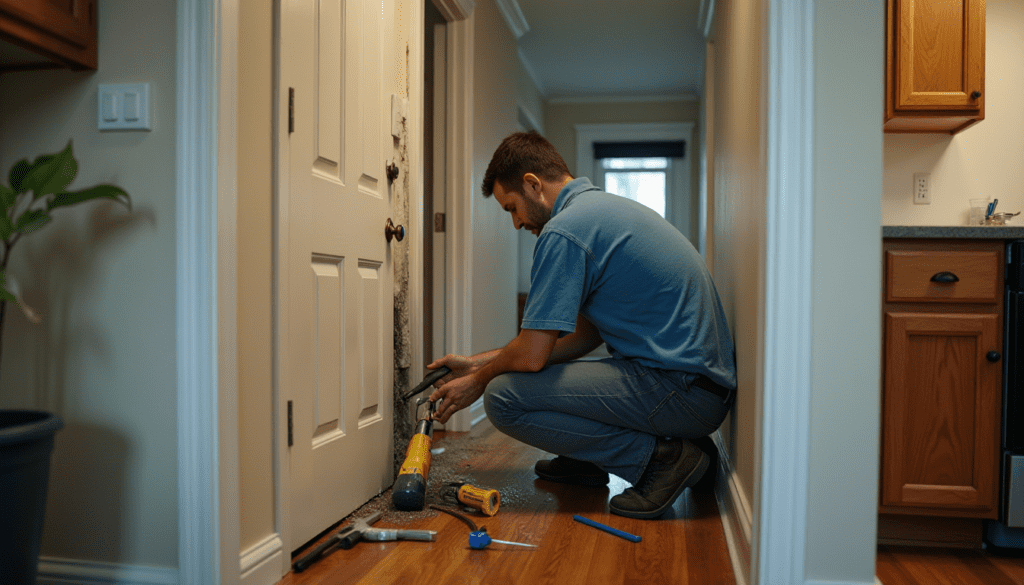
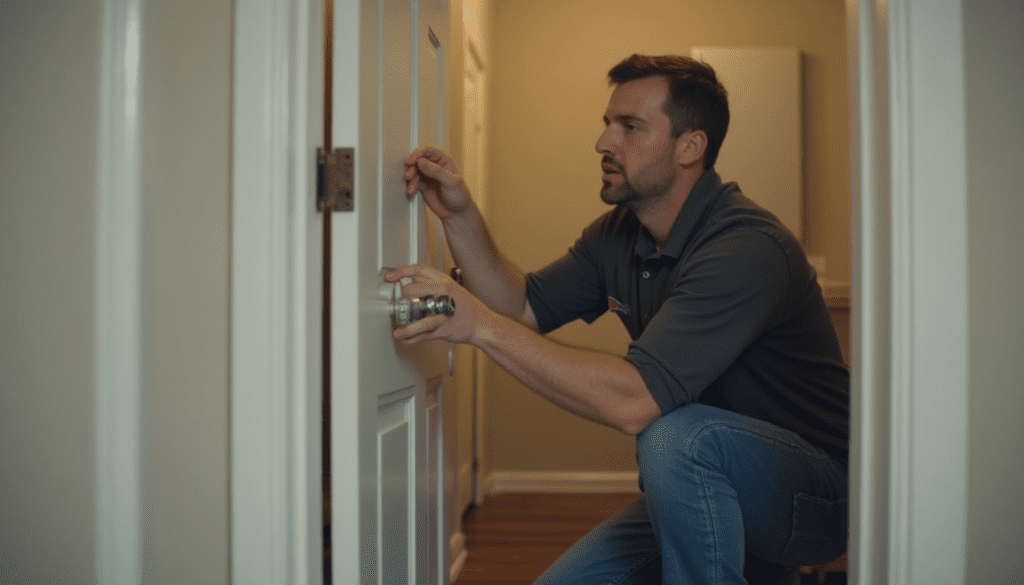
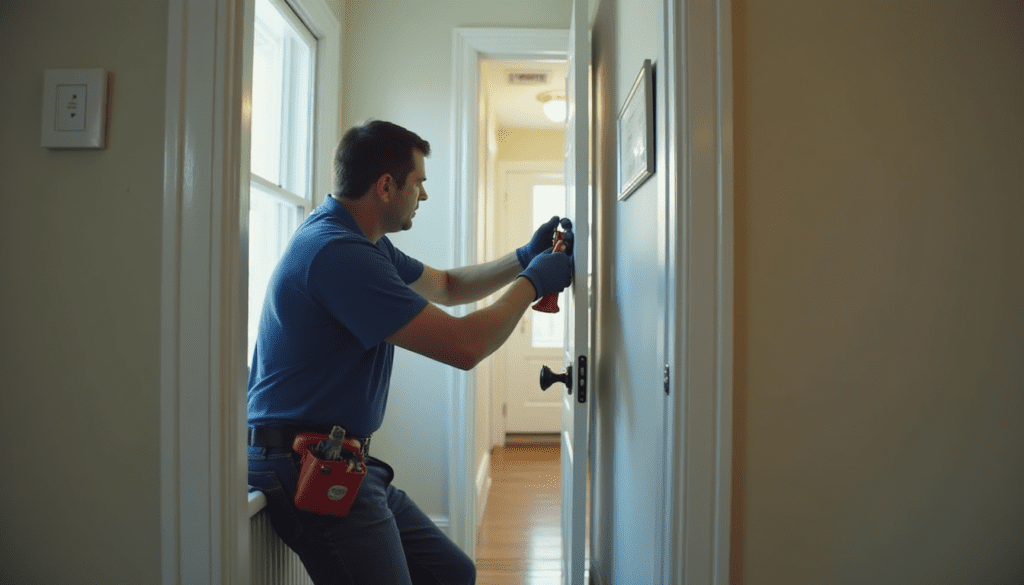
Emergency repairs in a rental property are stressful for everyone involved. Water pouring from a burst pipe, smoke filling a hallway, or heat cutting out during a freezing Newark winter doesn’t leave room for delays or confusion. In those moments, property access becomes a practical necessity, not a convenience. For both tenants and landlords, understanding how emergency entry into a rental works in Newark NJ helps reduce panic, prevent damage, and keep people safe.
Many renters worry about privacy when someone enters their home without warning. At the same time, landlords and property managers face real risks if emergency repairs are delayed. This article focuses on the real-world dynamics of entering a rental without permission for emergency repairs in Newark NJ, using practical examples and best practices rather than theory. The goal is to help tenants know what to expect and help property owners act responsibly during urgent situations.
Because emergencies rarely follow a script, communication, preparation, and professionalism matter just as much as speed. Whether you manage one unit or an entire Newark building, knowing how emergency rental entry typically unfolds can make the difference between a controlled response and costly escalation.
Understanding Emergency Repairs in Rentals
Emergency repairs are situations where immediate action is required to protect people, property, or essential services. In a rental setting, these issues don’t just affect one unit; they can quickly spread to neighboring apartments or common areas. That’s why emergency entry rental Newark NJ searches are so common—people want clarity during high-pressure moments.
Unlike routine maintenance, emergency repairs cannot wait for scheduling convenience. A leaking gas line, for example, isn’t something that can be postponed until the next business day. In Newark’s older housing stock, aging plumbing, electrical systems, and heating equipment increase the likelihood of sudden failures that require urgent attention.
For tenants, emergency repairs often feel invasive because they disrupt the sense of home. For landlords, the responsibility is operational: prevent further damage, restore habitability, and ensure safety. Understanding this shared reality helps frame emergency entry not as a violation, but as a response to an urgent problem.
In practice, emergency repairs often happen when tenants are not home. That’s why many property managers prepare protocols in advance, including emergency contact lists, access methods, and preferred contractors. These preparations help ensure that when an emergency arises, entry into the rental unit is swift, professional, and limited strictly to what is necessary.
What Qualifies as a Rental Emergency
Not every repair problem qualifies as an emergency, even if it feels urgent to the person experiencing it. In the context of rental entry emergency without notice Newark searches, emergencies generally involve conditions that threaten safety, health, or the structure of the building.
Common examples include active water leaks, flooding, fire damage, gas odors, electrical hazards, loss of heat during extreme cold, or situations where a unit becomes unsafe to occupy. In multi-unit Newark properties, one unit’s issue can quickly impact others, making rapid response essential.
It’s important to distinguish emergencies from inconveniences. A dripping faucet or a broken cabinet door, while frustrating, does not usually justify immediate entry without coordination. Emergency repair landlord access NJ scenarios are defined by urgency and risk, not discomfort.
Clear communication helps reduce misunderstandings. Many landlords explain emergency definitions to tenants at move-in, which helps align expectations later. When both parties share an understanding of what constitutes an emergency, responses tend to be faster and less contentious.
When Emergency Repairs Cannot Wait
Time sensitivity is the defining factor of emergency repairs. Delays can multiply damage and increase costs. A small leak left unattended overnight can destroy flooring, walls, and electrical systems. This is why emergency access rental property NJ situations prioritize speed over scheduling.
In Newark, where many buildings share infrastructure, waiting for explicit permission during an emergency can endanger multiple households. For example, a sewer backup in one unit can quickly affect others below. Acting immediately protects the broader property and minimizes disruption.
That said, responsible emergency entry focuses only on resolving the urgent issue. Entry is not an opportunity for inspections, upgrades, or unrelated repairs. Limiting actions to the emergency itself helps maintain trust between tenants and property managers.
Professionalism also matters. Emergency repair teams should identify themselves clearly, document their work, and secure the unit upon leaving. These steps reassure tenants that emergency entry was handled with care and respect.
Emergency Entry Versus Routine Maintenance
One of the most common sources of confusion around entering a rental without permission for emergency repairs in Newark NJ is the difference between emergency and routine maintenance. Routine work includes tasks like appliance servicing, repainting, or scheduled inspections. These activities can almost always be planned in advance.
Emergency entry, by contrast, is reactive. It happens because something has already gone wrong and waiting would make the situation worse. This distinction matters because it shapes tenant expectations and landlord behavior.
Problems arise when routine issues are mislabeled as emergencies. Doing so erodes trust and increases tenant anxiety. Clear internal guidelines help property managers avoid this mistake and ensure that emergency access is reserved for genuine urgent situations.
Tenants who understand this distinction are also more likely to cooperate when true emergencies occur. Transparency builds goodwill, which pays off when quick access is needed to protect the rental unit.
Setting Expectations Around Emergency Access
Preparation is the quiet hero of effective emergency repair responses. When tenants know that emergency situations may require immediate access, they are less likely to feel violated or blindsided. Many Newark property managers include emergency access explanations in welcome materials or maintenance guides.
Setting expectations doesn’t mean predicting every scenario. It means explaining that emergencies are rare, handled professionally, and limited to necessary repairs. This approach reassures tenants that their privacy still matters, even during urgent situations.
From the landlord’s perspective, expectation-setting reduces resistance during crises. When everyone understands the purpose and limits of emergency entry, decisions can be made faster and with less friction.
Ultimately, emergency rental entry in Newark NJ works best when it is treated as a shared responsibility: protecting people, homes, and property while maintaining respect and communication even under pressure.
Communication During Emergency Entry Situations
Clear communication is often the deciding factor in whether an emergency repair situation feels handled or chaotic. Even when immediate access is required, making an effort to notify tenants builds trust and reduces fear. In many emergency entry rental Newark NJ scenarios, a quick phone call, text message, or voicemail can make a meaningful difference.
Tenants are more likely to respond calmly when they understand why entry is happening. Hearing that there is an active water leak affecting multiple units or a safety hazard that needs immediate attention provides context. Without communication, tenants may assume the worst, especially if they return home to signs that someone entered their rental unexpectedly.
Landlords and property managers often prepare emergency contact hierarchies for this reason. Primary phone numbers, backup contacts, and even emergency email notifications help ensure that at least one method of outreach is attempted before or during entry. While emergencies don’t always allow for confirmation, the attempt itself demonstrates respect.
After the emergency repair is complete, follow-up communication matters just as much. Letting tenants know what was done, why it was necessary, and whether additional work is expected helps restore a sense of control and normalcy. This step is often overlooked, yet it plays a major role in maintaining positive tenant relationships.
Documenting Emergency Repairs and Entry
Documentation is one of the most practical tools available to landlords during emergency repairs. When entry occurs without prior confirmation, having clear records protects everyone involved. In emergency access rental property NJ situations, documentation serves as a factual timeline rather than an explanation after the fact.
Effective documentation typically includes the time the issue was reported, the nature of the emergency, attempts to contact the tenant, the time of entry, and the work performed. Photos taken before and after repairs can be especially helpful, showing that entry was limited to addressing the emergency itself.
For tenants, documentation provides reassurance that emergency entry was not arbitrary. When they receive a follow-up message or maintenance report outlining what happened, concerns about privacy or misuse of access tend to decrease.
Professional contractors also play a role in documentation. Licensed plumbers, electricians, or HVAC technicians often provide service summaries that add credibility and clarity. These records are valuable not just for tenant communication, but for insurance claims and long-term property maintenance planning.
Tenant Reactions and How to Address Concerns
Even when emergency entry is justified, tenants may still feel unsettled. Walking into a rental and noticing moved items, damp floors, or repair equipment can trigger anxiety. Acknowledging these feelings rather than dismissing them helps defuse tension.
Property managers who take time to listen to tenant concerns often find that issues resolve quickly. Explaining what was accessed, why certain areas were affected, and what steps were taken to secure the unit afterward reinforces transparency.
In Newark rentals, where tenants may already be navigating busy urban living conditions, unexpected disruptions can feel overwhelming. Offering small reassurances—such as confirming that doors were locked or utilities restored—goes a long way.
When tenants feel respected during emergency repair landlord access NJ situations, they are more likely to cooperate in future emergencies. Trust, once damaged, is hard to rebuild. Proactive communication and empathy help preserve it.
Preventing Future Emergency Access Issues
While emergencies cannot always be avoided, many can be reduced through preventative maintenance. Regular inspections, timely repairs, and system upgrades lower the likelihood of sudden failures that require immediate entry.
Educating tenants on early warning signs also helps. Encouraging prompt reporting of small leaks, strange smells, or electrical irregularities allows issues to be addressed before they escalate into emergencies.
For landlords, investing in preventative care is both a financial and relational strategy. Fewer emergencies mean fewer disruptions, less tenant stress, and a smoother overall rental experience in Newark NJ.
Common Emergency Repair Scenarios in Newark Rentals
Emergency repairs in Newark rentals tend to follow predictable patterns, especially in older buildings and multi-unit properties. Understanding these scenarios helps both tenants and landlords respond faster and with less confusion. Many emergency entry rental Newark NJ situations involve issues that escalate quickly if ignored.
Water-related emergencies are among the most common. Burst pipes, overflowing toilets, and ceiling leaks can cause extensive damage within minutes. In stacked apartment buildings, water rarely stays confined to one unit, making immediate access critical to protect neighboring apartments.
Heating failures during winter months are another frequent emergency. Newark winters can be harsh, and a loss of heat affects habitability almost immediately. Emergency access rental property NJ responses often prioritize restoring heat to prevent frozen pipes and unsafe living conditions.
Electrical hazards also demand urgent attention. Burning smells, sparking outlets, or complete power loss in critical systems can pose serious safety risks. These situations usually require rapid entry and professional intervention to prevent fire or injury.
Emergency Access When the Tenant Is Not Home
One of the most stressful emergency repair scenarios occurs when the tenant is unavailable. In many landlord entry emergency repairs Newark NJ cases, emergencies arise during work hours, late nights, or holidays when tenants cannot be reached immediately.
Prepared property managers anticipate this possibility. Having spare keys secured properly, access codes documented, and trusted maintenance professionals on call allows emergencies to be addressed without unnecessary delays.
After entry, restoring the unit to a secure condition is essential. Doors should be locked, windows closed, and utilities stabilized before leaving. Tenants returning home should feel confident that their space was respected and protected.
Follow-up communication becomes even more important when tenants were absent. Providing a clear explanation of what occurred, supported by documentation and photos, helps prevent misunderstandings and reassures tenants that emergency access was handled responsibly.
Balancing Speed and Respect During Emergency Entry
Speed is crucial during emergencies, but respect should never be sacrificed. Tenants value their privacy, and emergency repair landlord access NJ situations should be handled with the same care as scheduled visits—just faster.
Limiting movement within the unit to affected areas, avoiding personal belongings whenever possible, and keeping entry time as short as necessary demonstrates professionalism. These small actions have a big impact on tenant perception.
Many experienced Newark property managers train maintenance staff specifically on emergency etiquette. Knowing how to enter, work efficiently, and exit respectfully helps preserve trust even under pressure.
This balance between urgency and courtesy is what separates well-managed properties from those that struggle with tenant dissatisfaction.
Using Reliable Resources During Emergency Repairs
Reliable information and professional guidance play a major role during emergency repairs. Property managers and tenants alike benefit from understanding best practices supported by trusted housing resources.
For example, New Jersey housing guidance on rental access and emergency situations helps clarify expectations around urgent repairs. Resources such as tenant-rights.com provide practical explanations of emergency entry scenarios in New Jersey rentals, helping both sides understand common standards.
Official state resources, including guidance from the New Jersey Department of Community Affairs, offer additional clarity on rental property responsibilities and access considerations. These references help ensure emergency responses are grounded in widely accepted practices rather than assumptions.
Using established resources reduces confusion and helps Newark landlords and tenants navigate emergencies with confidence.
Preparing Tenants for Emergency Repair Situations
Preparation doesn’t stop at property management. Tenants who know how emergencies are handled feel more secure when issues arise. Simple guidance on what to do during water leaks, power failures, or heating issues empowers tenants to act quickly.
Encouraging tenants to report problems immediately—no matter how small they seem—can prevent emergencies altogether. Early reporting allows maintenance teams to intervene before damage escalates.
Clear emergency contact instructions also help. When tenants know exactly who to call and what information to provide, response times improve and stress levels drop.
This shared preparedness strengthens the overall rental experience and reduces the frequency of disruptive emergency entry situations.
Handling Tenant Concerns After Emergency Entry
Once an emergency repair is complete, the situation is not truly over until tenant concerns are addressed. Many issues related to entering a rental without permission for emergency repairs in Newark NJ arise after the fact, not during the repair itself. Tenants may have questions about what was accessed, what was moved, or whether additional visits are expected.
Proactive follow-up helps prevent frustration from turning into conflict. A short written summary explaining what happened, why entry was necessary, and what repairs were completed can provide clarity and reassurance. When tenants feel informed, they are less likely to assume misuse of access.
In some cases, tenants may notice secondary effects such as residual moisture, noise from equipment, or temporary service interruptions. Acknowledging these impacts and explaining next steps shows consideration for the tenant’s experience.
Property managers who take these concerns seriously tend to see higher tenant satisfaction and fewer disputes over emergency repair landlord access NJ situations.
Emergency Repairs in Multi-Unit Newark Properties
Emergency situations become more complex in multi-unit buildings, which are common throughout Newark. A single issue can affect multiple households, making swift action essential. In these environments, emergency access rental property NJ responses often prioritize the building as a whole.
For example, a plumbing failure in an upper-floor unit may require immediate entry to prevent damage below. Electrical or fire-related emergencies may require access to multiple units or shared spaces to ensure safety.
Clear building-wide communication helps reduce confusion. Notices, emails, or text alerts explaining that emergency work is underway can prevent alarm and speculation among residents.
In larger properties, coordination between property managers, maintenance teams, and emergency services is critical. Well-organized responses reduce downtime and limit the impact on tenants’ daily lives.
How Professional Conduct Builds Trust During Emergencies
Professional conduct during emergencies leaves a lasting impression. Tenants remember how emergency situations were handled long after the repair is finished. Respectful behavior, clear identification, and efficient work all contribute to trust.
Using licensed professionals for emergency repairs adds credibility and reassurance. When tenants see that qualified plumbers, electricians, or HVAC technicians were involved, concerns about safety and quality tend to diminish.
Professionalism also includes cleanliness. Leaving the unit as tidy as possible after emergency repairs shows respect for the tenant’s home, even when circumstances are stressful.
Over time, these consistent practices shape how tenants perceive emergency entry rental Newark NJ situations, often turning potential friction points into demonstrations of responsible management.
Learning From Past Emergency Repair Situations
Every emergency repair offers an opportunity to improve future responses. Reviewing what worked well and what caused delays helps landlords refine their procedures. This continuous improvement mindset reduces stress for everyone involved.
Feedback from tenants can be especially valuable. Understanding their perspective helps identify gaps in communication or preparation that might not be obvious from a management standpoint.
For Newark property owners, keeping notes on emergency incidents also helps identify recurring issues. Patterns such as repeated plumbing failures or electrical outages may signal the need for broader system upgrades.
Learning from experience turns emergencies into lessons rather than recurring crises.
Reducing the Likelihood of Emergency Entry Situations
While emergencies can never be eliminated entirely, many can be prevented through attentive property care. Regular maintenance, system inspections, and timely repairs reduce the chance of sudden failures.
Tenants also play a role. Encouraging prompt reporting of issues—no matter how minor they seem—helps stop problems from escalating into emergencies that require immediate entry.
Clear maintenance request processes, accessible contact information, and responsive service all contribute to a healthier rental environment. Fewer emergencies mean fewer disruptions and a more stable living experience for everyone.
In Newark NJ rentals, this collaborative approach between landlords and tenants helps ensure that emergency entry remains rare, justified, and handled with care.
Frequently Asked Questions About Emergency Rental Entry in Newark NJ
Can emergency repairs happen without advance notice?
Emergency repairs often require immediate action to prevent damage or ensure safety. In these situations, access may occur as soon as the issue is identified, especially when waiting could worsen the problem.
What should tenants expect after emergency entry?
Tenants can generally expect follow-up communication explaining what occurred, what repairs were completed, and whether additional work is needed. Documentation and transparency help address concerns.
How can tenants prepare for emergency repair situations?
Keeping contact information up to date, reporting issues promptly, and understanding basic emergency procedures all help tenants navigate urgent repair situations more smoothly.
Where can landlords and tenants find reliable guidance?
Practical explanations of emergency rental access in New Jersey can be found through housing resources such as tenant-rights.com and official guidance from the New Jersey Department of Community Affairs, which outline common expectations around emergency repairs and access.
Moving Forward With Confidence During Rental Emergencies
Emergency repairs are never convenient, but they don’t have to be chaotic. When landlords and tenants understand how emergency entry works, stress levels drop and outcomes improve.
Entering a rental without permission for emergency repairs in Newark NJ is ultimately about protecting people and property during urgent situations. Clear communication, professionalism, and preparation transform these moments from sources of conflict into examples of responsible property care.
Related Reading for Newark Renters and Property Owners
Emergency repair situations rarely exist in isolation. They often connect to broader topics such as ongoing maintenance responsibilities, tenant communication, and property management best practices. For readers who want to deepen their understanding, exploring related guidance can be helpful.
Many Newark property owners find it useful to review practical maintenance planning strategies alongside emergency repair procedures. Articles that discuss landlord and tenant maintenance responsibilities help clarify how routine care can prevent urgent situations.
Tenants may also benefit from learning how to submit effective repair requests before issues escalate. Resources like how to request repairs in a rental property explain what information helps property managers respond faster and more accurately.
For those managing multi-unit buildings, guidance on property management in Newark NJ provides additional context on handling emergencies across shared spaces, coordinating contractors, and communicating with multiple tenants at once.
Why Clear Emergency Repair Practices Matter
Emergency entry situations are high-stress moments that test trust between tenants and landlords. When handled well, they reinforce confidence in property management. When handled poorly, they can damage relationships and create lingering tension.
Using established guidance from sources such as tenant-rights.com and the New Jersey Department of Community Affairs helps ensure that emergency access decisions align with widely accepted practices. Pairing that guidance with clear internal procedures and open communication creates consistency, even during unpredictable events.
For Newark rentals, where density and aging infrastructure increase the likelihood of emergencies, preparation is not optional—it is essential. Thoughtful planning, documentation, and respectful conduct make emergency repairs safer and less disruptive for everyone involved.
If you manage or live in a Newark rental property, staying informed and prepared is one of the most effective ways to protect your space, your time, and your peace of mind.