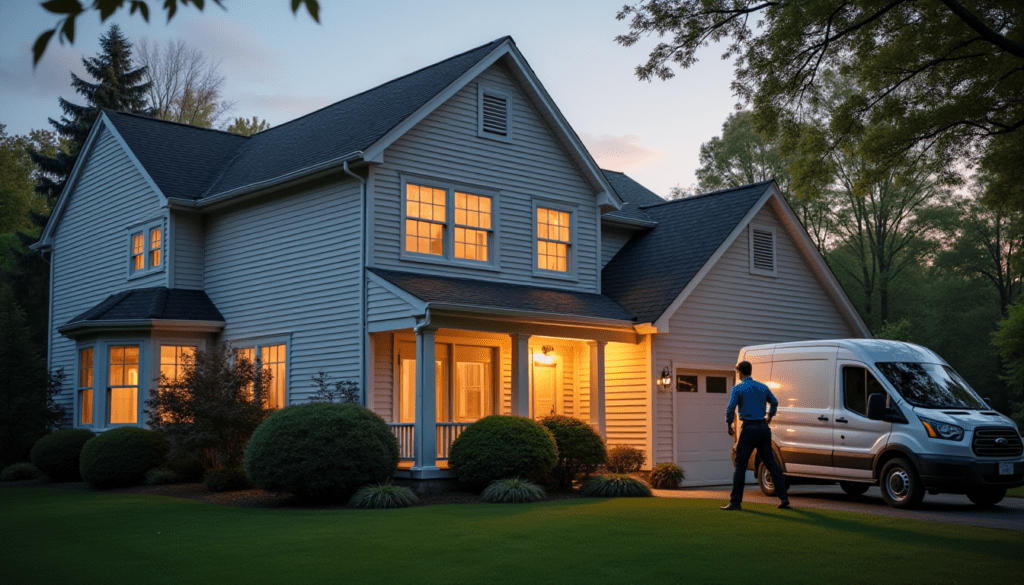
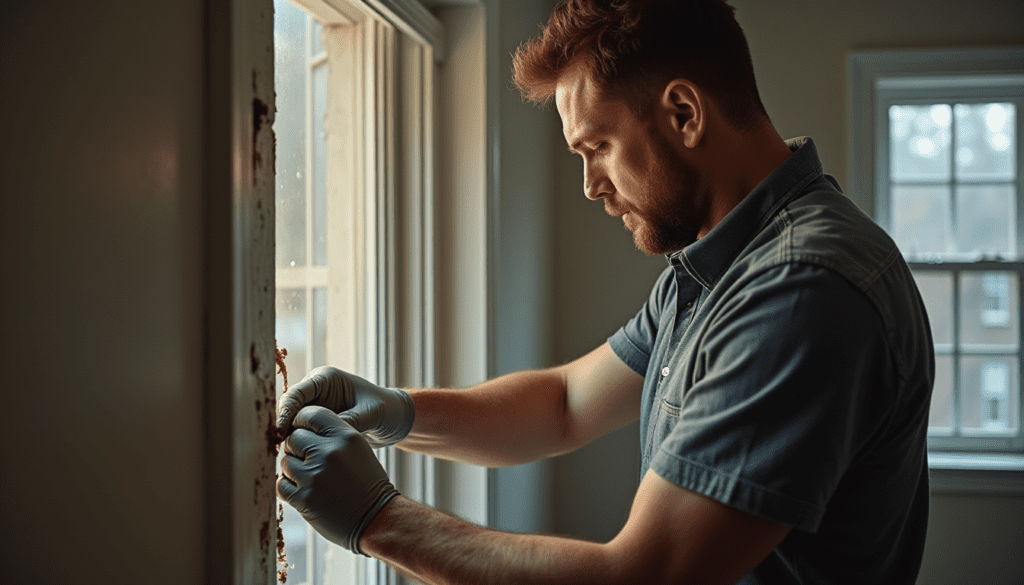
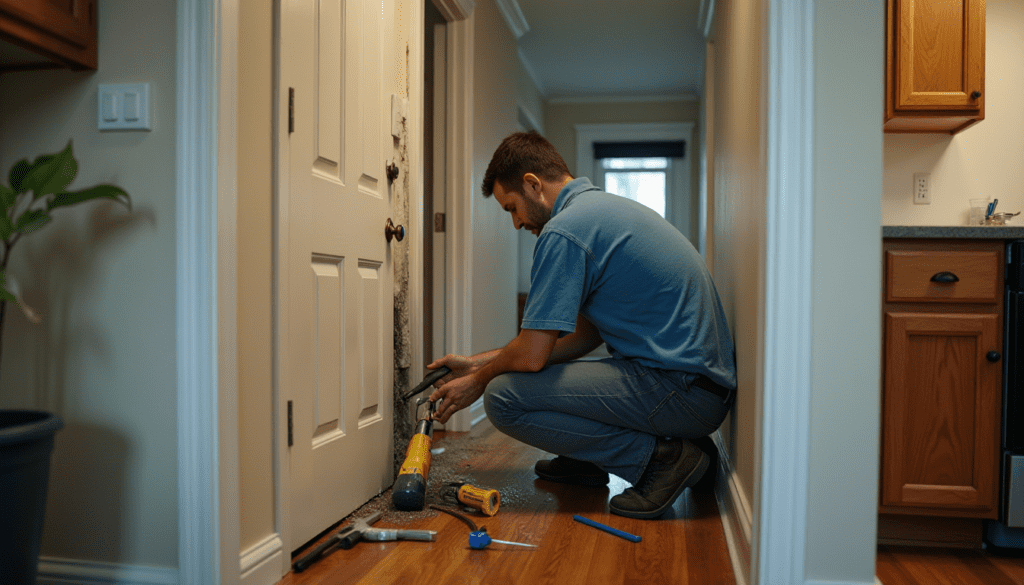
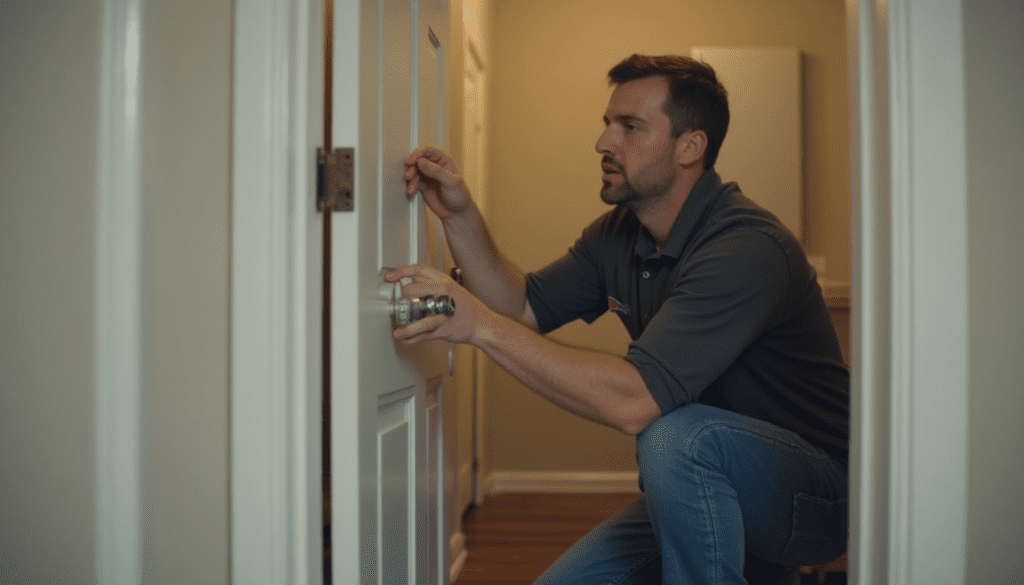
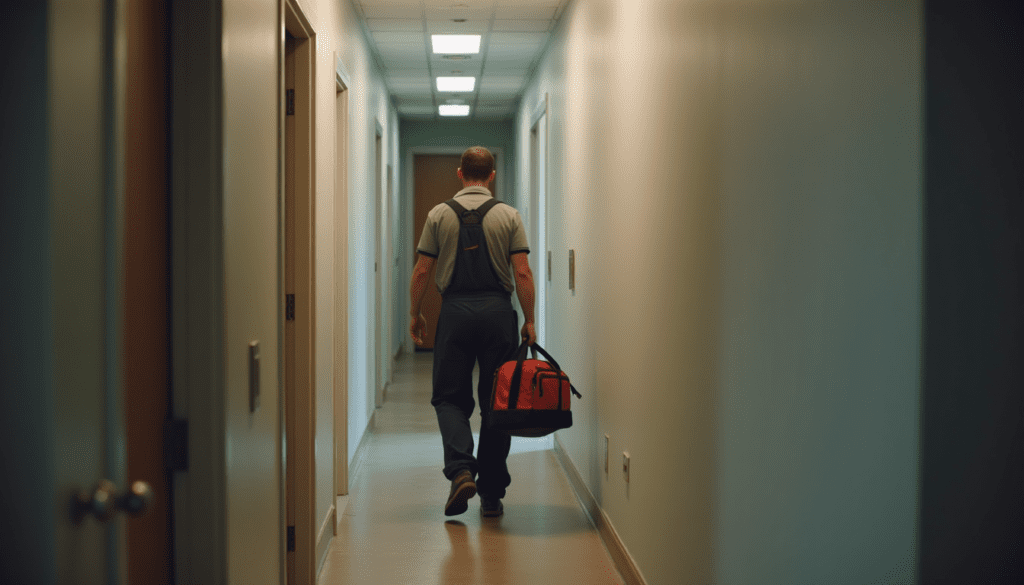
Emergency repairs in rental properties rarely happen at a convenient time. A burst pipe at midnight, a heating failure during a winter cold snap, or an electrical issue that suddenly cuts power can quickly turn into stressful situations for both tenants and property owners. In Garfield, New Jersey, these moments often raise questions about emergency rental entry, tenant expectations, and how repairs are handled when time is critical.
This guide focuses on real-world emergency repair situations in Garfield NJ rentals, how emergency access typically unfolds, and what tenants can realistically expect during urgent repair events. Whether you are a renter living in a multi-family building or a property owner managing emergency maintenance, understanding how these scenarios play out can reduce confusion and help everyone respond more calmly when urgent repairs are needed.
Emergency repairs are different from routine maintenance. They often involve immediate risks to safety, property condition, or basic habitability. Because of this urgency, emergency rental entry in NJ is usually handled with speed, coordination, and practical decision-making rather than long notice periods or scheduled appointments.
Understanding Emergency Repair Scenarios in Rentals
Not every maintenance issue qualifies as an emergency. In rental properties across Garfield NJ, emergency repair scenarios generally involve situations where delaying repairs could lead to serious property damage, unsafe living conditions, or disruption of essential services. These scenarios tend to escalate quickly, which is why emergency repair access becomes necessary.
Emergency repairs in rentals often share common characteristics. They typically involve systems that affect the entire unit or building, such as plumbing, heating, electricity, or structural components. When these systems fail, waiting even a few hours can worsen damage or create unsafe conditions for occupants. This is why emergency repair tenant concerns often focus on speed and resolution rather than scheduling convenience.
Another key aspect of emergency repair scenarios is unpredictability. A water heater can fail without warning. A pipe can burst during freezing temperatures. Electrical issues can arise after storms or power surges. In these moments, rental emergency repairs shift from a maintenance task to a time-sensitive response effort.
For tenants, emergency repair scenarios can feel intrusive or alarming, especially if access is needed quickly. For property managers, the focus is usually on preventing further damage and restoring essential services as soon as possible. Understanding this shared urgency helps explain why emergency rental entry happens differently from standard repair visits.
In Garfield NJ, many rental properties are older buildings with aging infrastructure. This increases the likelihood of emergency repair situations, particularly during extreme weather or seasonal changes. Awareness of these realities helps tenants better understand why emergency access may sometimes occur with limited notice.
Common Emergency Repairs in Garfield-Area Rentals
Emergency rental repairs in Garfield NJ tend to follow recognizable patterns. While every property is different, certain types of issues appear frequently due to climate, building age, and shared systems in multi-unit housing.
Plumbing emergencies are among the most common. Burst pipes, overflowing toilets, sewer backups, and major leaks can cause rapid water damage. These situations often require immediate access to the rental unit to shut off water lines, assess damage, and begin repairs before neighboring units are affected.
Heating failures are another frequent emergency, especially during New Jersey winters. When a rental unit loses heat during freezing temperatures, emergency repair teams are often dispatched quickly to prevent frozen pipes and maintain livable conditions. In these cases, emergency landlord access for repairs is often unavoidable.
Electrical emergencies also rank high on the list. Power outages caused by faulty wiring, damaged panels, or exposed electrical components can create fire hazards. Addressing these issues promptly helps protect both residents and the property itself.
Other common emergency repairs in Garfield rentals include gas leaks, roof leaks during heavy rain, broken windows affecting security, and elevator failures in larger buildings. Each of these issues can escalate quickly if not addressed, which is why emergency rental entry is often treated as a necessary response.
Understanding the types of emergencies that commonly occur helps tenants anticipate what might happen during an urgent repair. It also highlights why emergency repair access is usually focused on resolving the issue efficiently rather than following the slower pace of routine maintenance.
How Emergency Entry Typically Happens
Emergency rental entry in NJ usually follows a practical, situation-driven process. When a problem is identified, the first step is often rapid communication. Tenants may report an emergency directly, or property managers may become aware through building systems, neighboring units, or on-site staff.
Once the emergency is confirmed, the priority shifts to accessing the affected area as quickly as possible. In many cases, property managers or maintenance teams will attempt to notify tenants before entering, even if the situation is urgent. Phone calls, text messages, emails, or door notices may be used when time allows.
In situations where immediate access is required to prevent damage or restore essential services, emergency repair teams may proceed without waiting for a response. This is common when water is actively leaking, electrical hazards are present, or heating systems have failed during extreme cold.
During emergency entry, the focus is typically limited to the repair itself. Maintenance personnel concentrate on resolving the issue, documenting the condition, and ensuring the area is safe before leaving. Non-essential areas of the rental are usually avoided whenever possible.
After emergency repairs are completed, follow-up communication often occurs. Tenants may receive updates about what was fixed, whether additional repairs are needed, or if temporary solutions were implemented. This post-entry communication helps reduce confusion and maintain transparency.
Understanding how emergency entry typically happens can ease anxiety for tenants. While the situation may feel sudden, the goal is almost always to protect the rental unit and restore normal living conditions as quickly as possible.
Tenant Preparations for Emergency Access
While emergencies are unpredictable, tenants can take steps to prepare for the possibility of emergency rental entry. Preparation helps reduce stress and ensures that emergency repairs can be handled efficiently when they arise.
One important step is keeping emergency contact information up to date. Providing accurate phone numbers and email addresses allows property managers to reach tenants quickly when urgent repairs are needed. Fast communication can sometimes prevent the need for unannounced entry.
Tenants can also make sure that critical access points are not obstructed. Keeping areas around water heaters, electrical panels, and heating systems clear allows maintenance teams to work quickly during emergencies. This can significantly reduce repair time and minimize disruption.
Another helpful preparation is understanding where shut-off valves and breakers are located. While tenants are not expected to perform repairs, knowing how to shut off water or power in an emergency can prevent further damage before help arrives.
It’s also wise for tenants to secure personal belongings in a way that allows emergency repairs to proceed smoothly. This doesn’t mean anticipating entry, but rather maintaining general organization around critical systems so emergency access doesn’t require moving excessive personal items.
Finally, having a basic understanding of common rental emergency repairs can help tenants recognize when an issue is truly urgent. Reporting problems early often prevents them from becoming full-scale emergencies that require immediate access.
Being prepared doesn’t eliminate emergencies, but it does make emergency repair situations less disruptive and more manageable for everyone involved.
Communicating With Your Landlord Before Entry
Clear communication plays a major role in how smoothly emergency rental repairs unfold. In Garfield NJ rentals, effective communication before emergency entry can reduce misunderstandings and help tenants feel more at ease when urgent access is required. While emergencies don’t always allow for extended notice, even brief communication can make a meaningful difference.
Tenants who report emergency issues as soon as they notice them often set the tone for better coordination. Prompt reporting allows property managers to assess the severity of the problem quickly and determine the most appropriate response. In many cases, early communication can prevent a situation from escalating into a larger emergency that requires immediate entry.
When possible, landlords or property managers may attempt to explain the nature of the emergency, the expected repair timeline, and who will be entering the unit. Even a short message explaining that a plumber or electrician is on the way can help tenants mentally prepare for emergency access.
Tenants can also help by communicating any special considerations, such as pets in the unit, mobility concerns, or sensitive equipment near the repair area. Sharing this information ahead of time allows repair teams to work more carefully and efficiently once they enter.
In Garfield’s dense rental market, many properties are managed by third-party property management companies. These managers often handle emergency repair communication using centralized systems, making it easier to notify tenants quickly. Responding promptly to messages during emergencies can sometimes reduce the need for unplanned entry.
Ultimately, emergency repair communication is about cooperation. When both sides prioritize clarity and responsiveness, emergency rental entry becomes less stressful and more focused on solving the problem at hand.
What to Expect During Emergency Repair Entry
Emergency repair entry often feels different from scheduled maintenance visits. The atmosphere is typically more urgent, and the focus is on resolving a specific issue rather than performing multiple tasks. Understanding what usually happens during these visits can help tenants feel more comfortable.
Upon entry, maintenance professionals or contractors typically go directly to the affected area. Whether it’s a leaking pipe, a malfunctioning heater, or an electrical issue, their attention remains centered on stabilizing the situation first. This may involve shutting off water, gas, or electricity temporarily.
Emergency repair teams often bring specialized equipment and may need to make quick decisions. In some cases, temporary fixes are implemented to stop immediate damage, with follow-up work scheduled later. Tenants should expect some noise, movement, and brief disruptions while repairs are underway.
Respect for the rental space is generally maintained during emergency entry. Repair personnel aim to limit their presence to the necessary areas and complete the work as efficiently as possible. While emergencies require swift action, professionalism remains a priority.
After the repair is completed or stabilized, the team usually restores basic functionality and cleans up the work area. Tenants may be informed about what was done and whether additional repairs will be required. This transparency helps maintain trust and clarity following emergency access.
After the Emergency Entry: What Comes Next
Once emergency repairs are addressed, the situation doesn’t always end immediately. In many Garfield NJ rentals, follow-up steps are part of the process to ensure the issue is fully resolved and doesn’t recur.
Tenants may notice follow-up visits scheduled to complete permanent repairs, replace damaged materials, or inspect related systems. These visits are usually less urgent and can often be planned with notice, making them feel more routine than the initial emergency entry.
Documentation is another common step after emergency access. Property managers may record what occurred, what repairs were made, and whether tenant belongings were affected. This record-keeping supports transparency and helps track maintenance history.
Tenants should also take time to observe the repaired area after emergency work is completed. If issues persist or new concerns arise, reporting them promptly helps prevent repeat emergencies. Open communication after the fact reinforces a cooperative rental experience.
Emergency rental entry can be unsettling, but understanding the post-entry process helps tenants regain a sense of normalcy. Most emergency repairs aim not just to fix the immediate issue, but to restore comfort, safety, and confidence in the rental space.
Preventing Future Surprises With Repairs
While emergencies can never be eliminated entirely, many rental repair surprises can be reduced through awareness and preventative habits. In Garfield NJ rentals, proactive attention to early warning signs often prevents minor issues from turning into urgent situations that require emergency entry.
Tenants play an important role by noticing changes in their living environment. Slow drains, unusual noises from heating systems, flickering lights, or small leaks may seem minor at first, but these are often early indicators of larger problems. Reporting these signs promptly allows repairs to happen before conditions worsen.
Property managers also rely on regular inspections and maintenance schedules to reduce emergency repair frequency. Seasonal system checks, especially before winter and summer, can significantly lower the risk of heating or electrical failures. When preventative maintenance is consistent, emergency rental entry becomes far less common.
Clear expectations around maintenance requests also help. When tenants understand how and where to report issues, response times improve. This streamlined communication reduces stress for everyone involved and keeps emergency repairs from becoming routine occurrences.
Preventing future repair surprises isn’t about assigning blame. It’s about shared responsibility, awareness, and early action that protects both the rental property and the tenant’s living experience.
Seasonal Emergencies and Rental Access Patterns
Emergency repair patterns in Garfield NJ rentals often follow seasonal trends. Understanding these patterns helps tenants anticipate when emergency access is more likely and why certain times of year require heightened attention.
Winter brings a higher risk of heating failures, frozen pipes, and water line bursts. During cold spells, emergency rental entry related to heating systems becomes more common, particularly in older buildings. Quick access during these situations helps prevent extensive water damage and extended loss of heat.
Spring and summer introduce different risks. Heavy rainfall can expose roof leaks or drainage problems, while warmer temperatures can strain electrical systems and air conditioning units. Emergency repairs during these seasons often focus on water intrusion and power reliability.
Fall is typically a transition period where overlooked issues from summer can surface. Preparing for colder weather by addressing minor maintenance concerns early can reduce the likelihood of emergency entry later in the year.
Seasonal awareness benefits tenants by setting realistic expectations. Emergencies are rarely random; they often reflect environmental stress on building systems. Recognizing these patterns helps renters understand why emergency repairs sometimes cluster during certain months.
Tenant Property and Belongings During Emergency Entry
One common concern during emergency rental entry is the safety of personal belongings. Tenants naturally worry about privacy and the handling of their property when emergency repairs require immediate access.
In most emergency repair situations, access is limited to the affected area. Maintenance professionals focus on resolving the issue quickly and minimizing disruption. Moving personal items is usually avoided unless absolutely necessary to reach the repair site.
Tenants can reduce stress by keeping high-risk areas reasonably organized. Spaces around plumbing fixtures, electrical panels, and heating equipment should remain accessible. This simple habit helps emergency repairs proceed without unnecessary handling of personal belongings.
After emergency entry, tenants may want to check the repaired area and surrounding space. This isn’t about suspicion, but about reassurance. Confirming that belongings are intact and systems are functioning properly helps restore peace of mind.
Respect for tenant property is a core expectation during emergency repairs. While urgency drives the situation, professionalism and care remain central to how emergency rental access is handled.
How Property Managers Handle Emergency Repairs
Property managers in Garfield NJ play a central role in coordinating emergency rental repairs. When urgent situations arise, their responsibility is to balance speed, communication, and practical decision-making to minimize damage and disruption. Understanding how property managers typically operate during emergencies can help tenants better interpret what’s happening behind the scenes.
When an emergency is reported, property managers usually begin by assessing the severity of the issue. This may involve asking clarifying questions, reviewing maintenance records, or dispatching on-call technicians to evaluate the problem in person. Once the emergency is confirmed, the priority shifts to gaining access and stopping further damage.
Many property management companies maintain relationships with licensed contractors who specialize in emergency response. Plumbers, electricians, and HVAC professionals are often contacted immediately, especially if the issue affects essential services. This network allows emergency repairs to begin quickly, even outside normal business hours.
During emergency rental entry, property managers often document the condition of the unit before and after repairs. Photos, notes, and work orders help maintain transparency and create a clear record of what occurred. This documentation supports follow-up repairs and ensures continuity if multiple teams are involved.
From a tenant’s perspective, emergency repair coordination can feel abrupt. However, most property managers are focused on resolving the issue as efficiently as possible while maintaining respect for the rental space. Their goal is to stabilize the situation, restore livability, and reduce the likelihood of repeat emergencies.
Impact on Ongoing Tenancy and Rental Experience
Emergency rental entry can leave a lasting impression on tenants, especially if it’s their first experience with urgent repairs. How these situations are handled often shapes a renter’s overall perception of property management and their sense of comfort in the unit.
When emergency repairs are addressed promptly and communicated clearly, tenants are more likely to feel supported rather than inconvenienced. Transparency about what happened, why access was needed, and what steps were taken afterward helps reinforce trust.
On the other hand, repeated emergencies or unresolved follow-up issues can strain the rental experience. This is why post-emergency maintenance and communication are just as important as the initial response. Tenants value knowing that emergency repairs are not treated as isolated events, but as part of a broader effort to maintain the property.
For many renters in Garfield NJ, emergency repair experiences become reference points. A well-handled emergency can actually strengthen confidence in property management, while a poorly managed one can raise concerns about future issues. This makes emergency repair response a critical part of long-term tenancy satisfaction.
Cost Considerations During Emergency Rental Repairs
Emergency repairs often raise questions about costs, timing, and responsibility. While tenants are generally not involved in repair decisions, understanding how emergency repair costs are managed helps clarify why certain actions are taken quickly.
Emergency repairs typically cost more than routine maintenance due to after-hours labor, expedited service, and specialized equipment. Property managers often prioritize stopping damage first, even if it means higher short-term expenses, because delayed action can lead to far greater costs later.
From a tenant perspective, emergency repair costs are usually handled behind the scenes. However, disruptions such as temporary loss of utilities or follow-up repair visits may occur as part of the cost-saving strategy, especially if permanent repairs require additional planning.
Recognizing that emergency repairs are designed to protect both the rental unit and the overall building helps tenants understand why immediate access and swift action are emphasized during these situations.
Documenting Emergency Repairs and Access Events
Documentation is an often-overlooked aspect of emergency rental entry, but it plays a key role in maintaining clarity and accountability. Both tenants and property managers benefit from keeping records of what occurred during emergency repairs.
Property managers typically document emergency access through work orders, contractor reports, and internal notes. These records help track recurring issues and support future maintenance planning. For tenants, keeping personal notes about emergency entry can be helpful for reference and peace of mind.
After emergency repairs, tenants may want to note the date, time, and nature of the work performed. This isn’t about conflict, but about having a clear understanding of the unit’s maintenance history. Documentation helps ensure that follow-up repairs are completed and that lingering issues are addressed.
Clear records benefit everyone by reducing confusion and reinforcing transparency around emergency rental access.
Preventive Maintenance as a Long-Term Solution
Many emergency repair situations can be traced back to deferred maintenance or unnoticed warning signs. Preventive maintenance remains one of the most effective ways to reduce the need for emergency rental entry in Garfield NJ.
Regular inspections, seasonal system checks, and timely minor repairs help identify problems before they escalate. Property managers who invest in preventive maintenance often experience fewer emergency calls and smoother tenant relationships.
Tenants also contribute by reporting issues early and following basic care guidelines for appliances and systems. This shared effort reduces stress, protects the property, and creates a more predictable rental experience.
Emergency repairs will always be part of rental living, but preventive maintenance helps ensure they remain the exception rather than the norm.
Making Emergency Repairs Less Stressful for Everyone
Emergency rental entry for repairs can be unsettling, but it doesn’t have to be chaotic. When tenants understand common emergency scenarios, communicate effectively, and know what to expect, these situations become more manageable.
For property managers, clear procedures and rapid response reduce damage and maintain trust. For tenants, preparation and awareness help transform emergency repairs from alarming events into temporary disruptions with a clear purpose.
If you’re looking for professional support with emergency repairs, maintenance coordination, or overall rental management in Garfield NJ, working with an experienced property management team can make all the difference in protecting both your property and your peace of mind.