
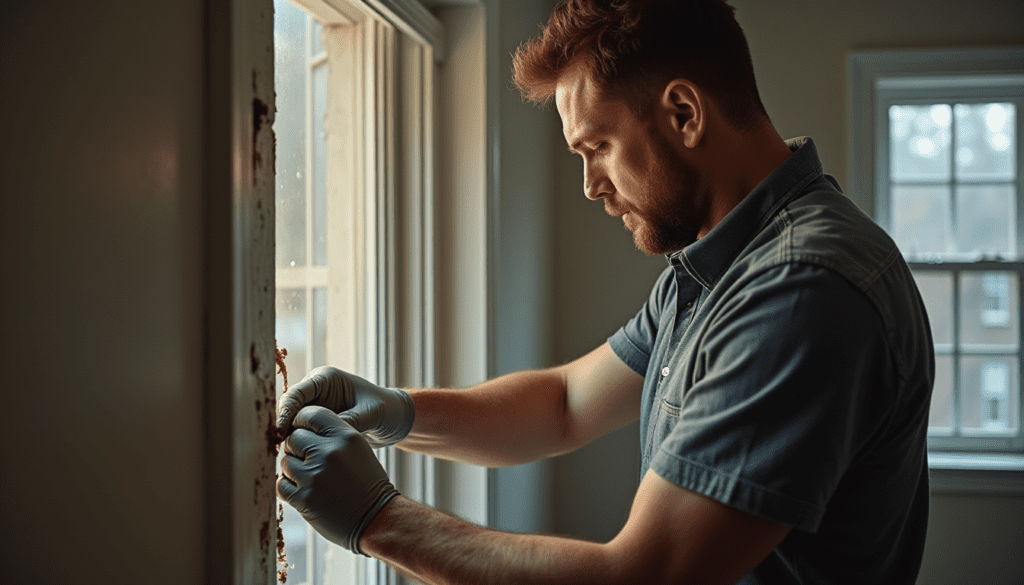
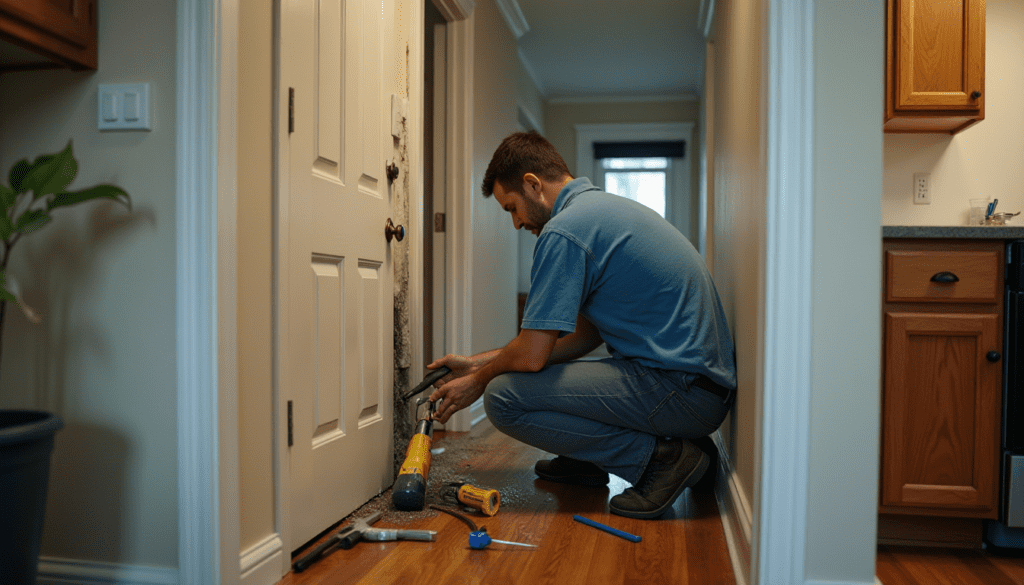
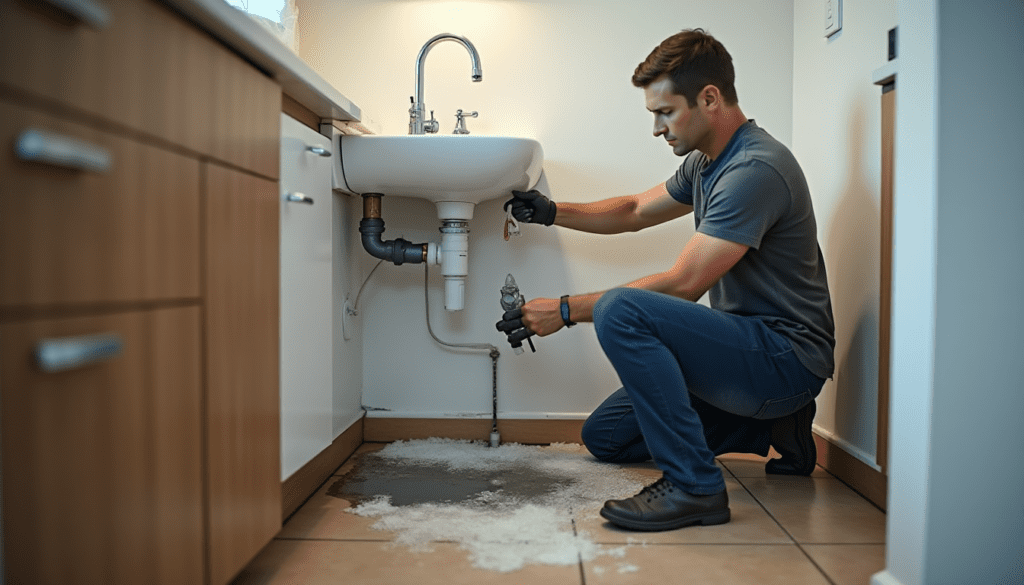
Emergency repairs in rental properties are never planned, and they rarely happen at a convenient time. In Essex County, NJ, situations like burst pipes, electrical failures, or serious safety hazards can require immediate attention to prevent further damage or danger. When these issues arise, property owners and managers often have to act quickly, sometimes entering a rental unit without prior notice to address the emergency. Understanding how emergency repairs unfold, what typically triggers urgent access, and how these situations affect both tenants and property owners is essential for anyone involved in rental housing.
This article explores how emergency repair access works in real-life situations, focusing on practical scenarios, communication expectations, and best practices for minimizing disruption. Rather than focusing on technical definitions, the goal is to provide clear, human-centered insight into why emergency entry happens and how it protects people, property, and surrounding units.
Emergency Repairs and Rental Access in Essex County, NJ
In rental properties across Essex County, emergencies are defined by urgency rather than convenience. These are situations where waiting could result in severe property damage, health risks, or safety threats to occupants and neighboring units. Emergency repairs often require immediate action, especially in multi-unit buildings where one issue can quickly spread and affect multiple households.
Property managers and owners are responsible for maintaining habitable living conditions. When an emergency occurs, access to the rental unit becomes a practical necessity. For example, a leaking pipe behind a wall does not stop damaging the structure just because a tenant is unavailable. In these moments, swift entry allows professionals to locate the source of the issue and stop further harm.
Emergency access is not about convenience or routine maintenance. It is a response to conditions that demand immediate resolution. In Essex County’s older housing stock, common in cities like Newark, East Orange, and Irvington, aging infrastructure can make emergency situations more frequent, increasing the importance of preparedness and rapid response.
Common Emergency Situations That Require Immediate Entry
Emergency repairs typically involve situations that pose immediate risk to the property or occupants. Water-related emergencies are among the most common. A burst pipe, overflowing toilet, or sudden ceiling leak can cause extensive damage in minutes, affecting floors, walls, and electrical systems. Immediate entry allows maintenance teams to shut off water sources and begin repairs before mold or structural issues develop.
Electrical emergencies are another frequent trigger for urgent access. Exposed wiring, sparking outlets, or complete power failures can present serious fire hazards. In these cases, delaying entry could endanger lives. Similarly, heating failures during cold months can quickly make a unit uninhabitable, particularly for vulnerable residents such as children or elderly tenants.
In multi-family properties, emergencies rarely stay contained within one unit. A fire hazard or water leak in one apartment can impact neighboring units within minutes. Immediate access helps limit damage and reduces the likelihood of displacement for multiple tenants.
Why Delaying Emergency Repairs Can Cause Serious Property Damage
Time is the most critical factor during an emergency repair. What begins as a small issue can escalate rapidly if left unaddressed. Water leaks, for instance, can seep into flooring, insulation, and drywall, weakening structural components and creating ideal conditions for mold growth. The longer the delay, the more extensive and expensive the repairs become.
Electrical issues also worsen over time. A minor wiring problem can escalate into a fire risk if not resolved promptly. In rental properties, these risks extend beyond the individual unit, potentially affecting the entire building. Delayed repairs can lead to costly remediation, insurance claims, and long-term vacancy issues.
From a tenant’s perspective, delayed emergency repairs can disrupt daily life and create unsafe living conditions. From a property management standpoint, delays increase liability, repair costs, and tenant dissatisfaction. Immediate entry during emergencies is often the most effective way to protect everyone involved.
Water Leaks, Flooding, and Burst Pipes: What Tenants and Owners Face
Water-related emergencies are among the most disruptive issues in rental properties. Burst pipes can occur due to freezing temperatures, aging plumbing, or sudden pressure changes. Flooding can damage personal belongings, flooring, and walls within minutes. In apartment buildings, water often travels downward, affecting multiple units.
When these emergencies occur, quick access allows maintenance teams to shut off water valves, assess damage, and begin repairs. Tenants may not always be home when a pipe bursts, especially during work hours or vacations. In these cases, waiting for permission can mean extensive damage not only to the affected unit but also to neighboring apartments.
Clear communication after the emergency is just as important as quick action. Providing updates, explaining what was done, and outlining next steps helps rebuild trust and reduces frustration. Transparency plays a key role in maintaining positive tenant relationships during stressful situations.
Fire Hazards, Electrical Failures, and Power Emergencies
Fire hazards and electrical failures demand immediate attention due to the severe risks they pose. A burning smell, sparking outlet, or sudden loss of power can indicate underlying electrical issues that require professional intervention. These situations often cannot wait for standard scheduling or prior coordination.
Electrical emergencies can affect essential systems such as lighting, heating, and security. In colder months, power outages can quickly lead to unsafe indoor temperatures. In buildings with shared electrical systems, one unit’s issue can compromise service for others, making swift access essential.
Addressing these emergencies promptly helps prevent fires, protects occupants, and minimizes long-term damage. Entry during these situations is driven by necessity and safety, not convenience. When handled professionally and communicated clearly, emergency access becomes a protective measure rather than a point of conflict.
Emergency repairs are an unavoidable part of rental property ownership and management. Understanding how and why they occur helps tenants and property owners navigate these situations with greater confidence and cooperation.
Gas Smells, Carbon Monoxide Alerts, and Ventilation Concerns
Gas-related emergencies are among the most time-sensitive situations in any rental property. A strong gas odor, malfunctioning appliance, or triggered carbon monoxide detector signals a potentially life-threatening condition. Unlike minor maintenance concerns, these issues require immediate response because the risks extend beyond property damage to human safety.
Poor ventilation can worsen these situations quickly. Blocked vents, damaged exhaust systems, or faulty heaters can cause dangerous gases to accumulate inside a unit. In multi-unit buildings common throughout Essex County, these conditions do not remain isolated. Gas and carbon monoxide can spread through shared walls, hallways, and ventilation systems, placing multiple households at risk.
When these emergencies occur, time is critical. Immediate access allows trained professionals to shut off gas lines, ventilate the space, and identify the source of the problem. Delays caused by waiting for permission can escalate the danger, especially if occupants are unaware of the issue or are not present at the time.
Structural Issues That Can’t Wait for Tenant Approval
Structural emergencies are less common but often more severe when they occur. Issues such as collapsing ceilings, compromised staircases, or damaged support beams pose immediate safety risks. These problems can arise from prolonged water exposure, aging materials, or sudden incidents like storms or fires.
In older rental properties throughout Essex County, structural components may already be under strain. When warning signs appear, such as sagging ceilings or cracking walls, swift access allows for assessment and stabilization before the issue worsens. Waiting too long can result in partial collapses, injury, or the need for extensive reconstruction.
Addressing structural concerns promptly protects both occupants and the long-term value of the property. Emergency entry in these cases is focused on preventing harm and ensuring that the building remains safe for everyone who lives there.

Health and Safety Risks From Unresolved Emergencies
Unresolved emergencies create cascading health and safety risks. Water damage can lead to mold growth, which affects indoor air quality and respiratory health. Electrical issues can spark fires, while gas leaks and carbon monoxide exposure can have immediate and severe health consequences.
These risks are not limited to the affected unit. In shared buildings, one unresolved emergency can compromise the safety of multiple tenants. For example, mold spores can spread through ventilation systems, and electrical failures can overload shared circuits.
Quick action reduces these risks significantly. Emergency access allows professionals to contain the issue, prevent spread, and begin remediation. From a health and safety standpoint, immediate response is often the most responsible course of action for everyone involved.
How Emergency Repairs Protect Tenants, Neighbors, and the Property
Emergency repairs serve a broader purpose than simply fixing a problem. They protect tenants by restoring safe living conditions, neighbors by preventing the spread of damage or hazards, and the property itself by limiting long-term deterioration.
For tenants, fast repairs mean less disruption, fewer health risks, and reduced damage to personal belongings. For neighboring units, emergency intervention can prevent secondary damage such as flooding, smoke exposure, or electrical outages. For the property, timely repairs help preserve structural integrity and reduce overall repair costs.
When emergency access is handled professionally and respectfully, it reinforces trust rather than undermining it. Clear communication and thorough follow-up help tenants understand that the goal is protection, not intrusion.
Tenant Privacy Expectations During Emergency Situations
Even during emergencies, tenant privacy remains an important consideration. While immediate access may be necessary, actions taken inside the unit should be limited to addressing the emergency itself. Respecting personal belongings and minimizing disruption helps maintain a sense of security for tenants.
After the emergency is resolved, clear communication plays a key role in preserving trust. Explaining what happened, why entry was required, and what repairs were completed reassures tenants and reduces anxiety. Documentation such as photos or repair summaries can also help provide transparency.
Balancing urgency with respect creates better outcomes for everyone involved. Emergency situations are stressful by nature, but thoughtful handling can prevent them from becoming sources of ongoing conflict.
Communication Before, During, and After Emergency Entry
Clear communication is one of the most important elements in handling emergency repairs smoothly. While emergencies don’t always allow time for advance notice, communication should happen as soon as reasonably possible. Letting tenants know what occurred, why immediate access was necessary, and what actions were taken helps reduce confusion and frustration.
During the emergency response, updates can make a meaningful difference. A quick message explaining that repairs are underway reassures tenants that the situation is being handled responsibly. After the issue is resolved, follow-up communication provides closure and sets expectations for any additional work that may be required.
Consistent communication builds trust over time. Tenants who understand that emergency entry is focused on safety and protection are more likely to respond cooperatively during future situations.
What Tenants Should Do If Emergency Repairs Occur While They’re Away
Emergencies often happen when tenants are not home. Vacations, work schedules, and travel can leave units unattended when problems arise. In these situations, emergency repairs may still need to move forward to prevent damage or danger.
Tenants can prepare by ensuring that emergency contact information is up to date and by promptly responding to messages when possible. After returning, reviewing repair documentation and asking questions about what was done helps maintain transparency and peace of mind.
Being proactive about communication and preparation can significantly reduce stress when unexpected emergencies occur during an absence.
Best Practices for Documenting Emergency Repairs
Documentation plays a crucial role in emergency repair situations. Photos, repair logs, and service reports provide a clear record of what happened, what actions were taken, and when the repairs occurred. This information is valuable for both tenants and property owners.
Thorough documentation helps clarify the scope of the emergency and demonstrates that entry was limited to addressing the issue at hand. It also supports follow-up maintenance and future planning, especially if the emergency reveals larger infrastructure concerns.
When shared appropriately, documentation promotes transparency and reduces misunderstandings, reinforcing a professional approach to emergency management.
How Professional Property Management Handles Emergency Access
Professional property management companies are structured to respond quickly and efficiently to emergencies. They typically maintain relationships with licensed contractors, plumbers, and electricians who can respond on short notice. This readiness allows emergencies to be addressed before they escalate.
Experienced property managers also follow standardized procedures for communication, documentation, and follow-up. This consistency helps ensure that emergency access is handled respectfully and responsibly, even under pressure.
For property owners, professional management reduces stress and liability. For tenants, it provides reassurance that emergencies will be handled promptly and competently.
Preventing Emergencies Through Routine Maintenance and Inspections
While not all emergencies can be prevented, routine maintenance significantly reduces their likelihood. Regular inspections can identify aging pipes, electrical wear, or ventilation issues before they become urgent problems.
Preventative maintenance benefits everyone involved. Tenants experience fewer disruptions, and property owners avoid costly repairs and emergency situations. In many cases, early intervention turns a potential emergency into a manageable maintenance task.
Investing in routine upkeep is one of the most effective ways to minimize the need for emergency entry and protect long-term property value.
When Emergency Repairs Turn Into Ongoing Maintenance Needs
Some emergencies reveal deeper issues that require ongoing attention. A burst pipe may uncover widespread plumbing deterioration, or an electrical failure may indicate outdated wiring throughout the building. In these cases, emergency repairs are only the first step.
Addressing underlying issues promptly helps prevent repeat emergencies and improves overall living conditions. Clear communication about next steps and timelines keeps tenants informed and reduces uncertainty.
If you own or manage rental property in Essex County and want a more proactive, organized approach to emergency repairs and ongoing maintenance, working with an experienced property management team can help protect your investment while providing a safer, more reliable living environment for tenants.