

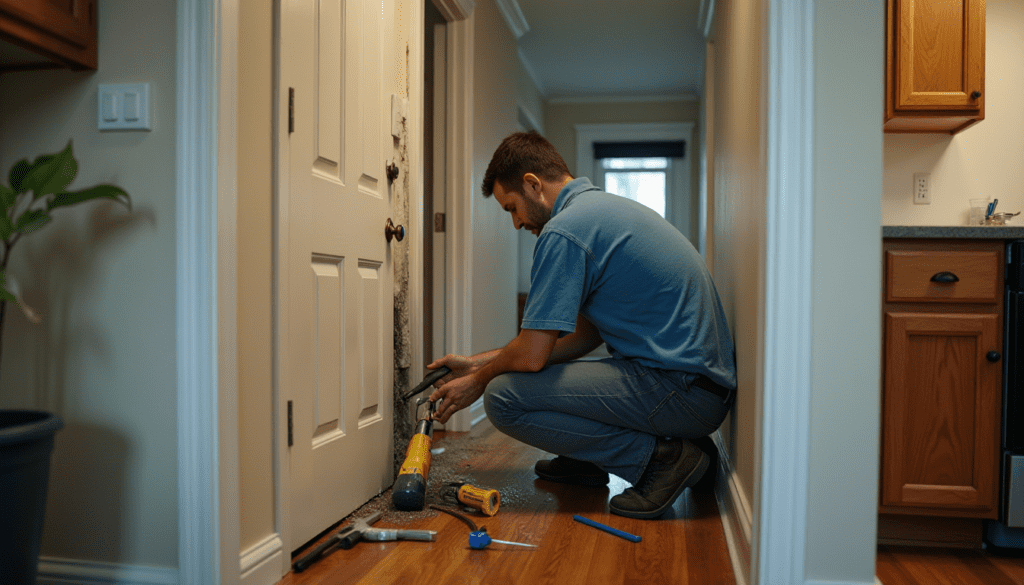
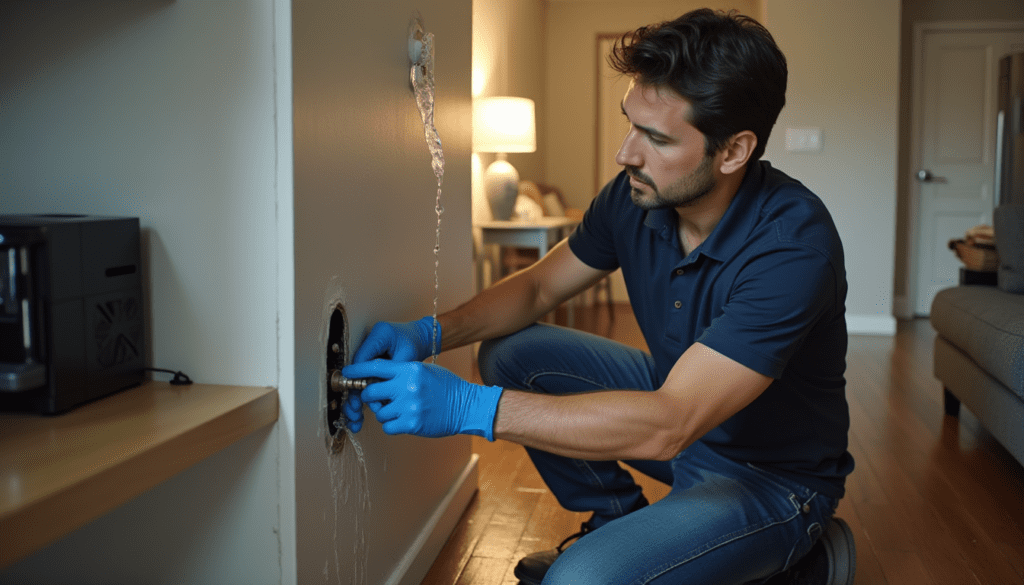
Emergency situations in rental properties can escalate quickly, especially when they involve water leaks, heating failures, electrical hazards, or gas-related concerns. For property owners and tenants in Bloomfield, NJ, understanding how emergency repairs are handled — and why immediate access to a rental unit may sometimes be necessary — helps prevent confusion, conflict, and property damage. Entering a rental without permission for emergency repairs in Bloomfield NJ is a topic that often raises questions, particularly around communication, safety, and expectations.
Unlike routine maintenance, emergency repairs demand swift action. Delays can put residents at risk, cause structural damage, or impact neighboring units in multi-family properties. This article walks through how emergency repair access works in real-life situations, what qualifies as an emergency, and how both landlords and tenants can prepare for these scenarios while maintaining trust and transparency.
What Constitutes an Emergency in a Rental Property
Not every maintenance issue rises to the level of an emergency. In rental properties, emergencies are situations that pose an immediate threat to health, safety, or the integrity of the building. In Bloomfield NJ, common emergency repair scenarios tend to follow seasonal patterns, building age, and utility infrastructure. Recognizing what constitutes an emergency helps everyone involved respond appropriately and avoid unnecessary disputes.
An emergency repair typically requires immediate attention because waiting could worsen the situation. For example, an active water leak doesn’t just damage one unit — it can seep into walls, floors, and neighboring apartments, leading to mold growth and costly structural repairs. Similarly, electrical problems that cause sparking outlets or repeated breaker trips can create fire hazards that cannot wait for a scheduled visit.
Understanding these situations ahead of time allows tenants to report issues accurately and enables landlords to act decisively when emergency access to a rental unit is required.
Examples of Emergencies That Require Immediate Attention
Emergency repairs in rental properties often fall into a few key categories. Water-related emergencies are among the most common and include burst pipes, overflowing toilets that won’t stop, water heater failures, and roof leaks during heavy rain. These issues can cause extensive damage in a short amount of time, making immediate entry into the rental unit essential.
Heating failures during cold months are another major concern in Bloomfield NJ. When indoor temperatures drop to unsafe levels, especially during winter, restoring heat becomes urgent. Gas-related issues, such as the smell of gas or suspected leaks, also qualify as emergencies due to the risk of explosion or carbon monoxide exposure.
Electrical emergencies include exposed wiring, smoking outlets, or total power failure affecting essential systems. These situations often require licensed professionals and immediate access to prevent further hazards.
Why Emergencies Can Necessitate Immediate Entry
When an emergency occurs, time is often the most critical factor. Immediate entry into a rental unit may be necessary to stop damage from spreading or to protect occupants. In these moments, the priority shifts from routine procedures to urgent problem-solving. Entering a rental without permission for emergency repairs in Bloomfield NJ is typically driven by the need to prevent harm rather than convenience.
For example, a tenant may be away from home when a neighbor reports water leaking through the ceiling. Waiting for formal approval or scheduled access could result in thousands of dollars in damage. In such cases, addressing the source of the issue quickly benefits everyone involved.
Emergency entry is also about minimizing disruption. Acting swiftly can shorten repair times, reduce displacement, and help restore normal living conditions sooner.

Immediate Risks to Property and Occupants
Emergencies pose real risks not just to the rental unit but to the people inside it. Flooding can create slip hazards and electrical dangers. Gas leaks and faulty heating systems can compromise air quality. Electrical malfunctions increase the risk of fire. These risks explain why emergency repairs often cannot wait for standard notice periods or scheduled maintenance windows.
Property owners also face significant financial risk when emergencies are not handled promptly. Structural damage, insurance claims, and potential displacement of tenants can all result from delayed action. Immediate entry allows professionals to assess the situation, contain the issue, and begin repairs before conditions worsen.
Common Types of Rental Emergencies in Bloomfield NJ
Rental emergencies in Bloomfield NJ often reflect the region’s climate, infrastructure, and housing stock. Older buildings may experience plumbing or electrical issues, while seasonal temperature changes can strain heating systems. Understanding the most common emergencies helps both tenants and landlords stay prepared.
Water-related emergencies top the list, especially during winter when pipes are vulnerable to freezing. Heating failures are also frequent during colder months, while heavy storms can lead to roof leaks or basement flooding. Electrical issues may arise from outdated wiring or overloaded systems, particularly in multi-unit properties.
Being aware of these patterns allows for preventative maintenance, which can significantly reduce the likelihood of emergency entry situations.
Water, Gas, Heat, and Electrical Emergencies
Each category of emergency presents unique challenges. Water emergencies often require immediate shutoff of supply lines and rapid cleanup. Gas emergencies necessitate evacuation and professional intervention. Heating issues require prompt repair to maintain safe indoor temperatures. Electrical emergencies may involve shutting down circuits to prevent fires.
In all cases, quick access to the affected rental unit allows technicians to diagnose and resolve the issue efficiently. Clear communication before and after entry helps maintain trust and reduces stress for tenants.
How to Identify an Emergency Repair Situation
Distinguishing between an emergency and a routine repair isn’t always straightforward. Tenants may wonder whether an issue requires immediate reporting, while landlords must decide how urgently to respond. A good rule of thumb is to consider whether the problem threatens safety, health, or the structure of the property.
Signs of an emergency include rapid water accumulation, loss of essential utilities, strong odors like gas, sparks or smoke from electrical fixtures, or indoor temperatures dropping to unsafe levels. When in doubt, it’s better to report the issue promptly so it can be assessed.
Clear reporting helps property managers prioritize responses and ensures that emergency repairs are handled efficiently. This approach minimizes the need for unexpected entry while ensuring that serious issues receive the attention they require.
If you’re dealing with an urgent maintenance issue or want guidance on emergency preparedness for rental properties in Bloomfield NJ, working with an experienced property management team can make all the difference.
Tenant Responsibilities During Emergency Repairs
When an emergency arises in a rental property, tenants play a critical role in ensuring the situation is handled quickly and safely. While emergencies can be stressful, knowing how to respond helps reduce damage and speeds up repairs. In Bloomfield NJ, tenants are generally expected to report emergency issues as soon as they become aware of them, especially when the problem could affect other units or the overall safety of the property.
Prompt reporting is essential. A small leak under a sink, for example, may not seem urgent at first, but if it worsens overnight, it can cause extensive water damage. Tenants should use the designated emergency contact method provided by the landlord or property manager, whether that’s a phone number, online portal, or emergency maintenance line. Clear descriptions of the issue, including when it started and what signs are visible, help maintenance teams respond appropriately.
Tenants are also expected to take reasonable steps to prevent further damage when it’s safe to do so. This might include shutting off a water valve, turning off an appliance, or avoiding the affected area until help arrives. These actions can make a significant difference in limiting the scope of the emergency.
Providing Access and Communication
Access is another important responsibility during emergency repairs. If a tenant is home, allowing entry promptly helps resolve the issue faster. If the tenant is away, providing up-to-date contact information and emergency access instructions can be invaluable. Many landlords in Bloomfield NJ encourage tenants to share preferred methods of contact or emergency access permissions ahead of time to avoid delays.
After the emergency has been addressed, tenants should review any follow-up instructions, such as drying affected areas or monitoring systems for recurring issues. Open communication before, during, and after emergency repairs helps maintain a positive landlord-tenant relationship and reduces misunderstandings.
Landlord Responsibilities During Emergency Repairs
Landlords and property managers carry the responsibility of responding swiftly and professionally when emergencies occur. Entering a rental without permission for emergency repairs in Bloomfield NJ is typically driven by the obligation to protect the property and its occupants. Acting quickly not only minimizes damage but also demonstrates a commitment to tenant safety and well-being.
One of the first responsibilities is assessing the urgency of the situation. Once an emergency is confirmed, landlords should coordinate with qualified professionals, such as licensed plumbers, electricians, or HVAC technicians, to address the issue. Using experienced contractors ensures repairs are handled correctly and reduces the likelihood of repeat problems.
Even when immediate entry is necessary, communication remains a priority. Notifying tenants as soon as possible — by phone, text, or email — helps maintain transparency. Explaining what happened, why entry was required, and what repairs were performed can go a long way in building trust.
Safety, Documentation, and Follow-Up
During emergency repairs, landlords must prioritize safety. This includes ensuring contractors follow proper procedures and that the rental unit is secure once work is completed. If the emergency caused significant disruption, landlords may also need to arrange temporary accommodations or provide guidance on next steps.
Documentation is another key responsibility. Keeping records of the emergency, including timestamps, communications, photos, and invoices, helps protect all parties involved. These records are useful for insurance purposes and provide clarity if questions arise later.
What Counts as “Reasonable Notice” in Non-Emergency Situations
Understanding the difference between emergency and non-emergency entry helps set expectations. While emergencies may require immediate access, non-emergency repairs typically involve advance notice. In Bloomfield NJ, reasonable notice allows tenants time to prepare for entry and ensures respect for privacy.
Routine maintenance, inspections, or upgrades usually fall into the non-emergency category. These situations benefit from scheduling and clear communication, which helps avoid confusion and unnecessary tension. By contrast, emergency repairs are defined by urgency and risk, making prior notice impractical in some cases.
Clarifying these distinctions in lease agreements and welcome materials can help tenants understand what to expect and reduce disputes when urgent situations arise.
How Emergency Repairs Differ From Routine Maintenance
Emergency repairs and routine maintenance differ in timing, urgency, and impact. Routine maintenance is planned, predictable, and often preventative. Examples include filter replacements, inspections, or minor repairs that don’t pose immediate risks. These tasks are usually scheduled in advance and completed during normal business hours.
Emergency repairs, on the other hand, are reactive and time-sensitive. They often occur outside regular hours and require immediate action to prevent harm or damage. This difference explains why emergency entry procedures are more flexible and focused on rapid response.
Recognizing this distinction helps tenants understand why emergency situations are handled differently and why swift access may be necessary to resolve the problem effectively.
Steps a Landlord Should Take Before Entering for Emergency Repairs
Even in urgent situations, there are best practices landlords can follow before entering a rental unit. First, confirming the nature of the emergency is essential. This may involve speaking with the reporting tenant, neighboring residents, or on-site staff to gather accurate information.
Next, landlords should attempt to notify the tenant immediately, even if entry must occur right away. A quick call or message explaining the situation demonstrates respect and professionalism. If the tenant cannot be reached, documenting the attempt is a smart precaution.
Finally, coordinating with the appropriate professionals ensures the issue is addressed efficiently. Clear instructions, access details, and follow-up communication help bring the emergency to a close with minimal disruption.
Handling emergency repairs thoughtfully protects the property, supports tenant safety, and reinforces trust. With preparation, clear communication, and prompt action, emergency entry situations can be managed smoothly and responsibly.
How to Document Emergency Access Events
Proper documentation is one of the most overlooked yet important aspects of handling emergency repairs in rental properties. When entering a rental without permission for emergency repairs in Bloomfield NJ, clear records help provide context, protect all parties, and reduce the risk of misunderstandings later on. Documentation is not about formality for its own sake; it is about clarity, transparency, and accountability.
At a minimum, landlords should document the date and time the emergency was reported, the nature of the issue, and the steps taken to resolve it. This may include notes from phone calls, screenshots of messages, or maintenance portal submissions. If entry was required while the tenant was away, recording the reason for entry and the duration of access helps establish that the action was limited to addressing the emergency.
Photos and videos can also be useful, especially for water damage, electrical issues, or structural concerns. Visual records show the condition of the unit before and after repairs, which can be helpful for insurance claims or future maintenance planning. Keeping these records organized ensures that information is easy to retrieve if questions arise.
Why Documentation Matters for Everyone Involved
For landlords and property managers, documentation provides a clear timeline of events and demonstrates that emergency access was justified and handled responsibly. For tenants, it offers reassurance that entry was limited to resolving the urgent issue and that their living space was respected.
In multi-unit properties, documentation can also help explain how one unit’s emergency affected others. For example, a plumbing issue in one apartment may require access to neighboring units to fully resolve the problem. Clear records help everyone understand why certain actions were necessary.
How Communication Helps Prevent Disputes
Communication is often the deciding factor in whether an emergency repair situation leads to cooperation or conflict. Even when immediate entry is required, timely and thoughtful communication can make a significant difference. Tenants are more likely to feel respected when they are informed promptly and kept updated throughout the process.
Before entry, a brief message explaining the situation and the need for immediate access sets expectations. During repairs, updates on progress help tenants feel involved rather than left in the dark. After the emergency is resolved, a follow-up message summarizing what was done and what to expect next reinforces transparency.
Consistent communication also helps normalize emergency procedures. When tenants understand how emergencies are handled and why certain steps are taken, they are less likely to feel surprised or unsettled when urgent situations arise.
How Bloomfield NJ Climate and Local Conditions Affect Emergencies
Local conditions play a significant role in the types of emergencies rental properties experience. In Bloomfield NJ, seasonal weather patterns often influence maintenance needs. Cold winters increase the risk of frozen pipes and heating failures, while heavy rainstorms can expose roof vulnerabilities or lead to basement flooding.
Older housing stock, which is common in many parts of Bloomfield, may also be more susceptible to plumbing and electrical issues. Aging infrastructure can handle daily use well but may struggle under extreme conditions. Understanding these local factors allows landlords and tenants to anticipate problems and respond more effectively when emergencies occur.
Preparation tailored to local conditions reduces the likelihood of sudden emergencies and the need for unexpected entry. Seasonal inspections, weatherproofing, and proactive maintenance are especially valuable in regions with fluctuating temperatures.
How to Prepare Your Rental for Common Emergencies
Preparation is one of the most effective ways to minimize emergency situations. For landlords, this means regular inspections, timely upgrades, and clear maintenance schedules. Addressing small issues early often prevents them from becoming urgent problems that require immediate access.
Tenants can also contribute by understanding basic systems in their rental unit, such as where water shutoff valves are located or how to reset a breaker safely. Knowing what to do in the first moments of an emergency can limit damage and improve safety.
Sharing emergency preparedness information at move-in or through periodic reminders helps ensure everyone knows what steps to take when something goes wrong. This collaborative approach benefits both property owners and residents.
How to Handle Emergency Repairs When You’re Not Home
Emergencies don’t wait for convenient timing, and many occur when tenants are away. In these situations, having a plan in place makes all the difference. Providing emergency contact information and discussing access preferences ahead of time can help landlords respond quickly without unnecessary delays.
Some tenants choose to authorize emergency entry in advance, while others prefer to be contacted first whenever possible. Clarifying these preferences helps property managers act confidently during urgent situations. When entry does occur, detailed follow-up communication reassures tenants that their space was accessed only as needed.
Being proactive about these scenarios reduces stress for everyone involved and ensures emergencies are handled efficiently, even when residents are not present.
If you’re managing or living in a rental property in Bloomfield NJ, having clear emergency procedures and reliable communication channels in place can make urgent situations far less disruptive and much easier to resolve.
Tools and Technology That Improve Emergency Notifications
Modern tools and technology have significantly improved how emergency repairs are reported and handled in rental properties. In Bloomfield NJ, many property managers now rely on digital platforms to streamline communication and speed up response times. These tools help reduce confusion and ensure that emergency situations are documented and addressed efficiently.
Online maintenance portals allow tenants to submit emergency repair requests with detailed descriptions and photos. This information helps landlords quickly assess the severity of the issue and determine whether immediate entry is necessary. Automated alerts and notifications ensure that urgent requests are flagged and prioritized, even outside regular business hours.
Text messaging and email notifications also play an important role. Quick updates before and after emergency entry help tenants stay informed, especially if they are not home at the time. These tools support transparency and help maintain trust during high-stress situations.
Emergency Preparedness Checklists for Landlords and Tenants
Having a checklist in place can make emergency situations far more manageable. For landlords, preparedness starts with regular inspections and maintenance schedules. Ensuring that plumbing, electrical, and heating systems are in good working order reduces the likelihood of sudden failures. Keeping a list of trusted contractors and emergency contacts readily available also speeds up response times.
Tenants benefit from knowing basic emergency procedures as well. Understanding how to shut off water, recognize warning signs of gas or electrical issues, and report problems promptly can prevent minor issues from escalating. Simple steps like keeping contact information updated and reporting concerns early contribute to a safer living environment.
When both parties are prepared, emergency repairs are handled more smoothly, and the need for unexpected entry is easier to understand and accept.
Summary of Best Practices for Emergency Rental Access
Handling emergency repairs in rental properties requires a balance of urgency, communication, and respect. Entering a rental without permission for emergency repairs in Bloomfield NJ is typically driven by the need to protect people and property from immediate harm. When handled correctly, these situations can be resolved efficiently with minimal disruption.
Best practices include clear definitions of what constitutes an emergency, prompt reporting by tenants, swift response by landlords, and thorough documentation of all actions taken. Communication before, during, and after emergency entry helps maintain transparency and trust.
By understanding local conditions, preparing for common emergencies, and using modern communication tools, landlords and tenants can work together to ensure that emergency repairs are addressed safely and responsibly.
Helpful Resources for Renters and Property Owners
Access to reliable resources can make navigating emergency repairs easier for everyone involved. State and local housing resources provide guidance on rental maintenance responsibilities and emergency preparedness. Property management professionals can also offer support, from setting up emergency protocols to coordinating repairs.
Staying informed and proactive is key. Whether you are a tenant or a property owner in Bloomfield NJ, understanding how emergency repairs are handled helps create a safer, more responsive rental environment.
If you need assistance managing emergency repairs, setting up communication systems, or preparing your rental property for unexpected issues, working with experienced property management professionals can provide peace of mind and practical support when it matters most.