Emergency repairs are one of the most misunderstood aspects of rental property maintenance, especially for property owners and tenants in :contentReference[oaicite:0]{index=0}. Many issues feel urgent in the moment, but only certain situations truly qualify as emergencies that require immediate action. Knowing the difference is critical for protecting the property, ensuring safety, and avoiding unnecessary conflicts or costs.
This guide focuses on identifying what actually counts as emergency repairs in Plainfield NJ. It explains common scenarios, warning signs, and practical considerations so that emergencies are handled quickly and appropriately. By understanding how emergency repairs are defined and recognized, both tenants and property owners can respond with clarity instead of confusion.
Understanding Emergency Repairs in Plainfield NJ
An emergency repair is typically any situation that poses an immediate risk to health, safety, or the structural integrity of a property. These are not inconveniences or cosmetic problems. Instead, they are issues that, if ignored, could result in serious damage, unsafe living conditions, or escalation into far more costly repairs.
In Plainfield NJ, emergency repairs commonly involve essential systems such as plumbing, electrical, heating, gas, or structural components. These repairs demand quick response because delaying action could worsen the problem or create hazardous conditions for occupants. The urgency is determined by impact, not comfort.
For example, a dripping faucet may be annoying, but it usually does not require immediate emergency attention. On the other hand, a burst pipe flooding a unit or an electrical issue creating a fire risk clearly qualifies as an emergency. Understanding this distinction helps prevent over-reporting minor issues while ensuring true emergencies receive immediate care.
Why Emergency Repairs Matter for Property Owners and Tenants
Emergency repairs matter because they directly affect safety and livability. When a serious issue is not addressed promptly, it can quickly escalate from a manageable repair into a major loss. Water damage, electrical fires, and gas-related incidents are all examples of problems that worsen rapidly without immediate intervention.
For tenants, recognizing an emergency means knowing when to act quickly and report an issue without delay. Waiting too long to report a true emergency can put lives at risk and increase damage to personal belongings. Clear understanding also prevents unnecessary stress when non-emergency issues arise.
For property owners, emergency repairs protect the long-term condition of the property. Fast response limits liability exposure, reduces repair costs, and helps preserve tenant trust. Properties that consistently handle emergencies well are less likely to suffer extensive damage or tenant dissatisfaction.
Emergency repairs are also a key factor in maintaining uninterrupted essential services. Loss of water, power, heat, or safe access to the property can quickly render a unit uninhabitable. Identifying these situations correctly ensures that attention is focused where it matters most.
Signs That a Repair Is an Emergency
One of the clearest signs that a repair is an emergency is the presence of immediate danger. This includes situations involving fire hazards, flooding, gas odors, or exposed electrical components. If an issue threatens personal safety or could cause rapid property damage, it should be treated as an emergency.
Another strong indicator is the loss of essential services. Complete power outages, lack of running water, or total heating failure during cold weather are situations that typically require urgent response. These conditions affect basic habitability and cannot be postponed.
Sudden and uncontrollable damage is also a major red flag. A pipe that bursts without warning, a ceiling collapsing due to water intrusion, or a door that no longer locks properly can all expose occupants to immediate harm or property loss.
If a problem worsens quickly or cannot be temporarily stabilized, it is more likely to be an emergency. For example, a slow drain may not be urgent, but water backing up into living spaces is a different situation entirely. The speed and severity of the issue play a key role in determining emergency status.
Plumbing Emergencies That Require Immediate Action
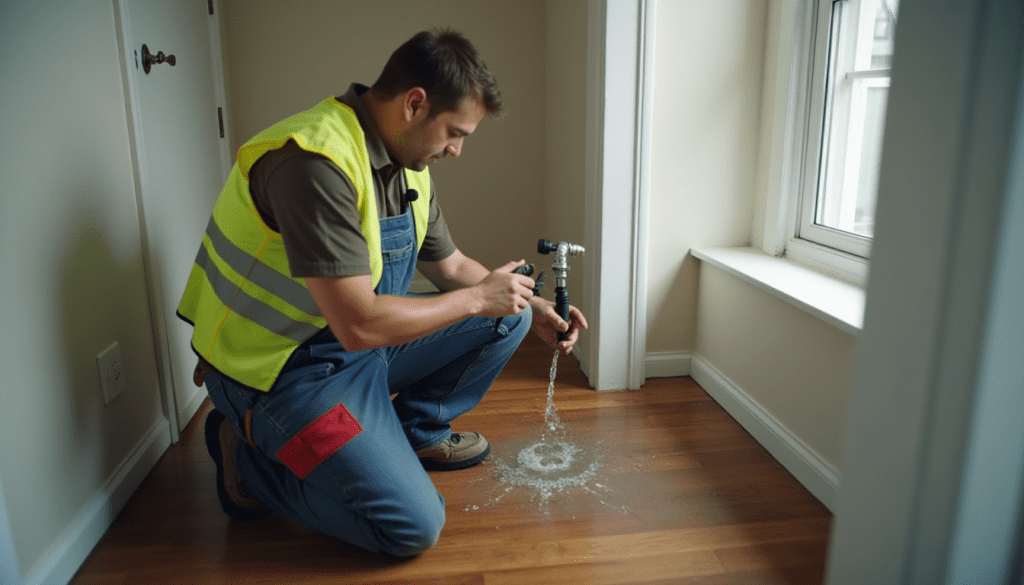
Plumbing issues are among the most common emergency repairs in Plainfield NJ rental properties. Burst pipes are a clear example, as they can flood a unit within minutes and cause extensive structural damage. Immediate action is necessary to shut off water and prevent further destruction.
Severe leaks that cannot be contained are another urgent plumbing concern. Water spreading across floors, seeping into walls, or dripping from ceilings often signals a larger issue that requires professional attention right away. Left untreated, these leaks can lead to mold growth and compromised building materials.
Sewage backups also qualify as plumbing emergencies. When wastewater flows back into sinks, tubs, or floor drains, it creates serious health hazards. These situations require immediate response to protect occupants and restore sanitary conditions.
Electrical Issues That Count as Emergency Repairs
Electrical problems can become dangerous very quickly, making many of them true emergencies. Exposed wiring, sparking outlets, or burning smells near electrical components indicate a high risk of fire. These situations should never be ignored or delayed.
Total loss of electricity, especially when it affects critical systems, may also qualify as an emergency. Power outages that disable heating, refrigeration for medications, or essential safety systems often require immediate attention to restore safe living conditions.
Frequent tripped breakers or flickering lights can sometimes signal deeper electrical issues. While not every electrical irregularity is an emergency, patterns that suggest overheating or overloaded circuits should be treated seriously and evaluated promptly.
Addressing electrical emergencies quickly not only protects occupants but also prevents long-term damage to the property’s electrical infrastructure. Immediate response reduces the likelihood of fires, equipment damage, and extended outages.
Need help determining whether a repair issue in your Plainfield NJ rental is an emergency or how to respond when one occurs? Reliable guidance and fast action can make all the difference when safety and property protection are on the line.
Heating and Cooling Failures During Extreme Weather
Heating and cooling systems move into emergency territory when their failure creates unsafe living conditions. In Plainfield NJ, loss of heat during cold months is one of the most serious emergency repair situations. When indoor temperatures drop too low, pipes can freeze, vulnerable occupants face health risks, and the property itself can suffer long-term damage.
A complete heating system failure is especially urgent when outside temperatures are near or below freezing. Even a short delay can result in frozen plumbing lines, cracked pipes, and water damage once the system is restored. This is why heating failures are almost always treated as emergency repairs during winter.
Cooling issues can also qualify as emergencies during extreme heat. While a malfunctioning air conditioner may not always be urgent, it becomes critical when indoor temperatures rise to dangerous levels. This is particularly important for households with elderly occupants, young children, or individuals with medical conditions affected by heat.
Situations where HVAC failures affect essential airflow or cause electrical hazards should also be addressed immediately. Burning smells, loud mechanical noises, or visible smoke coming from HVAC equipment are clear warning signs that require urgent attention.
Gas Leaks and Carbon Monoxide Risks
Gas-related issues are among the most dangerous emergency repairs due to their potential for explosions, fires, and serious health consequences. A suspected gas leak should always be treated as an immediate emergency. Common warning signs include a strong sulfur or rotten egg smell, hissing sounds near gas lines, or physical symptoms such as dizziness or nausea.
Carbon monoxide concerns are equally serious. Because carbon monoxide is odorless and invisible, malfunctioning gas appliances or blocked ventilation systems can create life-threatening conditions without obvious warning. Activated carbon monoxide detectors should never be ignored.
When gas or carbon monoxide risks are present, the priority is safety. Occupants should move to a safe location and notify the appropriate emergency contacts immediately. Repairs involving gas systems require specialized professionals and should never be delayed or handled informally.
Prompt response to gas-related emergencies protects both human life and property. These situations demand immediate attention regardless of the time of day.
Water Intrusion and Flooding Situations
Water intrusion is another category where speed matters. Flooding caused by burst pipes, roof leaks, or appliance failures can spread rapidly and damage flooring, walls, electrical systems, and personal belongings. Even small amounts of uncontrolled water can lead to mold growth if not addressed quickly.
Roof leaks during heavy rain or storms can also qualify as emergency repairs, particularly when water is entering living spaces. Active leaks that soak ceilings or walls weaken structural materials and increase the risk of collapse or electrical hazards.
Appliance-related flooding, such as from water heaters or washing machines, often requires immediate shutoff and repair. When water continues to flow or cannot be contained, the situation should be treated as an emergency to prevent extensive damage.
Timely response to water intrusion helps limit repair costs and reduces long-term risks to the property. Delays almost always result in more extensive restoration work.
Structural and Security Emergencies
Structural issues become emergencies when they compromise the safety or security of the property. Collapsing ceilings, major foundation cracks, or damaged load-bearing elements pose immediate risks to occupants and require urgent attention.
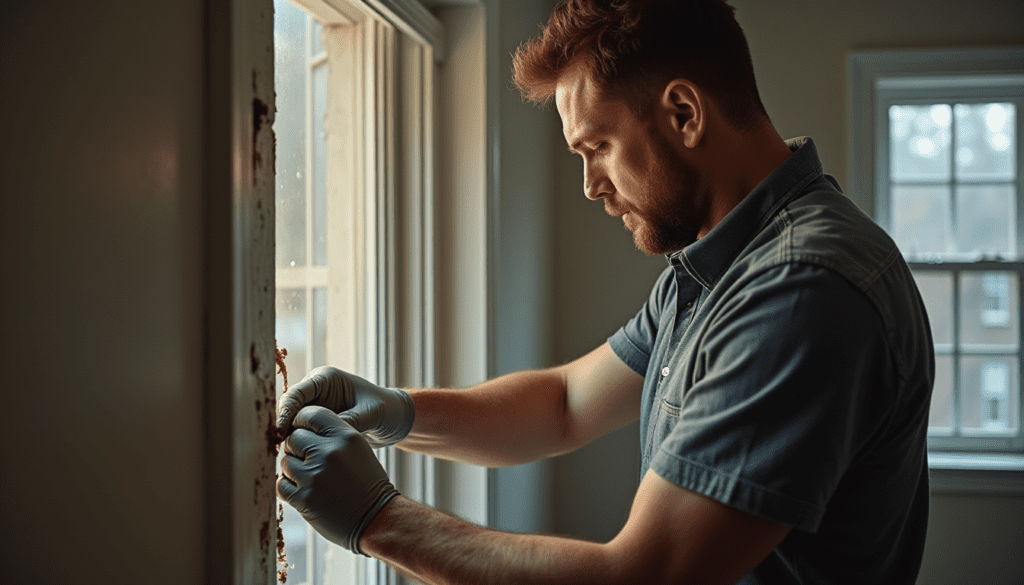
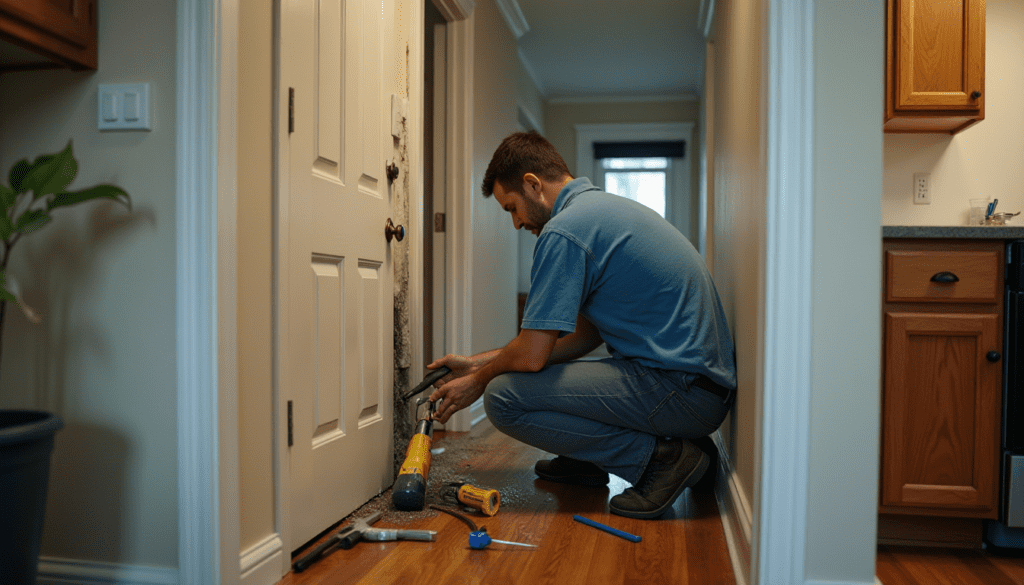
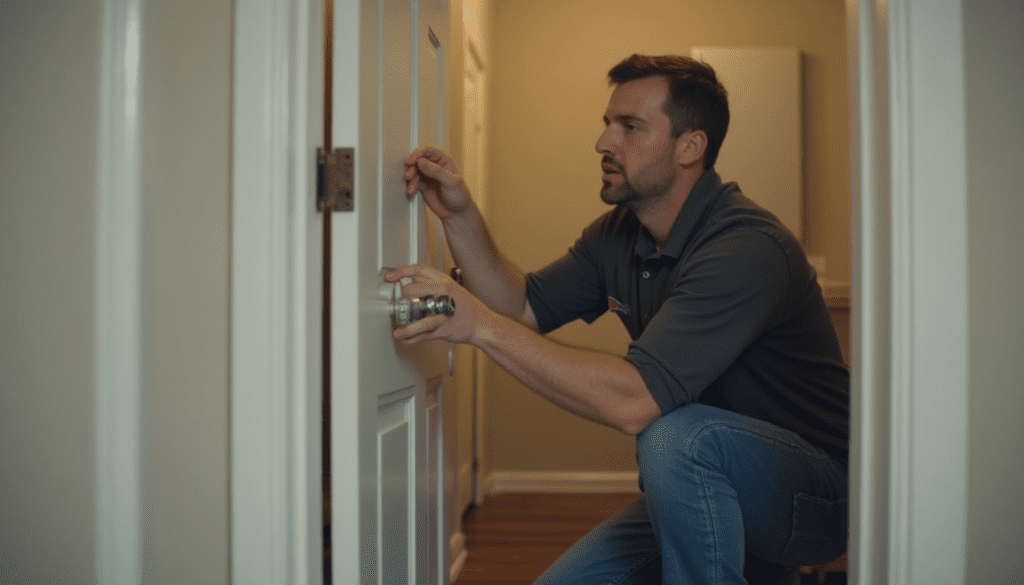
Security-related problems can also qualify as emergency repairs. Broken exterior doors, shattered windows, or damaged locks that leave a property exposed increase the risk of unauthorized entry and personal harm. These issues should be addressed promptly to restore a secure living environment.
Storm damage is a common cause of structural emergencies. High winds, falling trees, or debris can damage roofs, siding, and entry points. When these issues expose the interior of the property or weaken its structure, immediate repairs are necessary.
Responding quickly to structural and security emergencies protects occupants and prevents further damage from weather, vandalism, or additional stress on the building.
If you’re unsure whether a maintenance issue qualifies as an emergency, erring on the side of safety is always the smarter choice. Quick action can prevent small problems from turning into costly and dangerous situations.
When Loss of Essential Services Becomes an Emergency
The loss of essential services is one of the clearest indicators that a repair issue qualifies as an emergency. Essential services include running water, electricity, heat, and safe access to the property. When one or more of these services stops functioning entirely, normal daily living becomes unsafe or impossible.
A complete water outage affects sanitation, cooking, and hygiene. Without running water, even short delays can create serious health concerns. Similarly, loss of electricity may impact lighting, refrigeration, medical equipment, or heating systems, turning a basic inconvenience into a dangerous situation.
Heating loss during cold weather is especially critical because it affects both occupant safety and the property itself. Frozen pipes, interior damage, and exposure risks can escalate rapidly if heat is not restored. These conditions almost always require immediate action.
Emergency classification depends on total loss rather than partial inconvenience. A flickering light may not be urgent, but a full power failure that disrupts essential systems typically is.
Emergency Repairs vs. Non-Emergency Repairs
Understanding the difference between emergency and non-emergency repairs helps ensure resources are used efficiently and serious issues receive priority. Emergency repairs involve immediate danger, rapid damage, or loss of essential services. Non-emergency repairs, while important, can usually be scheduled without immediate risk.
For example, a broken cabinet door, peeling paint, or a slow-draining sink may be frustrating but typically do not threaten safety. These issues should still be reported and repaired, but they do not require urgent response.
Emergency repairs, on the other hand, demand immediate attention because delaying action can worsen conditions. Burst pipes, gas leaks, major electrical failures, and security breaches fall into this category because of their potential consequences.
Recognizing this distinction reduces confusion and helps set realistic expectations for response times. It also ensures that true emergencies are not delayed by less urgent maintenance requests.
First Steps to Take When an Emergency Happens
When an emergency repair situation occurs, the first priority is safety. Occupants should remove themselves from immediate danger if necessary, such as leaving the property in cases of gas leaks, flooding, or electrical hazards. Personal safety should always come before property concerns.
If possible, taking simple steps to limit damage can be helpful. This may include shutting off water valves during a plumbing emergency or turning off electrical breakers if an electrical hazard is suspected. These actions should only be taken if they can be done safely.
Prompt reporting is critical. Clearly describing the issue, its location, and any immediate risks helps ensure the response is appropriate and timely. Providing photos or videos when safe to do so can also help convey the severity of the situation.
After the emergency is addressed, documenting the incident is useful for follow-up and future prevention. Clear records help identify recurring problems and support long-term maintenance planning.
If you’re facing an urgent repair situation and need clarity on what qualifies as an emergency, getting experienced support can help protect both your safety and your property while ensuring the issue is handled quickly and correctly.
Who Is Responsible for Emergency Repairs
Responsibility during an emergency repair situation is often a source of confusion, especially when stress is high. In most cases, emergency repairs are handled by the property owner or the designated property management team because these issues involve the core structure, systems, or safety of the home.
Tenants are generally responsible for reporting emergencies as soon as they are discovered. Delayed reporting can allow damage to worsen, making the situation more costly and dangerous. Clear communication is essential so that the right professionals can be dispatched quickly.
Property owners or managers typically coordinate emergency repairs because they have access to licensed contractors and understand the building systems. This centralized response helps ensure repairs are done correctly and safely, rather than relying on temporary or unqualified fixes.
When everyone understands their role during an emergency, response times improve and confusion is reduced. This shared understanding helps protect both the occupants and the property itself.
Preparing in Advance for Emergency Repairs
Preparation plays a major role in minimizing the impact of emergency repairs. While emergencies cannot always be prevented, having a plan in place can significantly reduce damage and downtime. Knowing who to contact, how to shut off utilities, and what steps to take first can make a meaningful difference.
Routine maintenance is one of the best ways to prevent emergencies from occurring in the first place. Regular inspections of plumbing, electrical systems, heating equipment, and roofing help identify small issues before they escalate into urgent situations.
Clear emergency procedures also reduce panic when something goes wrong. When tenants know how to respond and property managers have trusted vendors on standby, emergency situations can be handled more efficiently and safely.
Preparation is not just about response; it is also about prevention. Proactive maintenance and clear communication reduce the likelihood of unexpected emergencies.
Common Misconceptions About Emergency Repairs
One common misconception is that any repair needed after hours automatically qualifies as an emergency. Timing alone does not determine urgency. The key factor is whether the issue poses immediate risk or damage, not when it occurs.
Another misunderstanding is assuming that discomfort equals emergency. While issues like minor appliance malfunctions or cosmetic damage can be inconvenient, they do not usually require immediate response unless they affect safety or essential services.
Some people also believe emergency repairs are rare. In reality, emergencies happen more often when routine maintenance is neglected. Many emergency situations begin as small, manageable issues that were overlooked.
Understanding what truly qualifies as an emergency helps ensure that urgent situations receive the attention they need without overwhelming maintenance systems with non-urgent requests.
How to Document and Report Emergency Repairs
Accurate documentation is an important part of managing emergency repairs. When reporting an issue, providing clear details helps speed up the response. Describing what happened, when it started, and any immediate risks allows for better decision-making.
Photos or videos can be extremely helpful when it is safe to capture them. Visual documentation shows the severity of the issue and helps technicians prepare before arriving on-site.
After the emergency has been resolved, keeping records of what occurred and how it was repaired can be useful. Documentation supports future maintenance planning and helps identify patterns that may indicate deeper problems.
Clear reporting and record-keeping create a smoother process for everyone involved and reduce confusion during high-stress situations.
Preventive Maintenance to Reduce Emergency Situations
Preventive maintenance is the most effective way to reduce emergency repair situations. Regular servicing of plumbing, electrical systems, and HVAC equipment helps identify early warning signs before failures occur.
Seasonal inspections are particularly important. Preparing heating systems before winter and checking cooling systems before summer reduces the likelihood of extreme-weather emergencies.
Preventive care not only lowers emergency repair frequency but also extends the lifespan of building systems. This proactive approach saves money and improves overall property safety.
Consistency is key. Small, routine efforts often prevent large, costly emergencies.
Cost Implications of Emergency Repairs
Emergency repairs are often more expensive than scheduled maintenance. After-hours labor, urgent service calls, and rapid-response work can significantly increase costs compared to planned repairs.
Water damage, electrical failures, and gas-related emergencies can also lead to secondary repairs if not addressed quickly. The longer an emergency continues, the more extensive and expensive the damage becomes.
Understanding the cost implications reinforces the importance of quick response and preventive maintenance. Addressing emergencies promptly limits financial impact and protects the long-term value of the property.
If you want to avoid costly surprises and ensure emergencies are handled properly, having a clear emergency repair plan and reliable support can make all the difference for your property and its occupants.
Frequently Asked Questions About Emergency Repairs in Plainfield NJ
What repairs are considered an emergency in a rental property?
Repairs are generally considered emergencies when they involve immediate safety risks, major property damage, or loss of essential services. Common examples include burst pipes, gas leaks, serious electrical hazards, flooding, no heat during cold weather, or broken exterior doors that compromise security.
How do I know if a repair needs immediate attention?
A repair likely needs immediate attention if delaying it could worsen damage, create unsafe conditions, or make the home unlivable. If the issue affects water, electricity, heat, gas, or structural safety, it is usually an emergency.
What should tenants do before reporting an emergency repair?
Tenants should prioritize safety first. If possible and safe to do so, they can take basic steps to limit damage, such as shutting off water or power. After that, the issue should be reported immediately with clear details about what is happening.
Are all plumbing problems considered emergencies?
No. Minor plumbing issues like slow drains or dripping faucets are typically non-emergency repairs. Emergencies involve uncontrollable water flow, sewage backups, or leaks that cause active damage.
Why is it important to report emergencies right away?
Prompt reporting helps prevent further damage, reduces repair costs, and protects safety. Delays can turn manageable problems into major repairs that affect both occupants and the property.
Being Prepared Makes Emergency Repairs Easier to Handle
Emergency repairs are stressful by nature, but understanding what qualifies as an emergency makes them easier to manage. Clear expectations, quick reporting, and knowing when immediate action is required all contribute to safer outcomes and faster resolutions.
In Plainfield NJ, emergency repairs most often involve essential systems like plumbing, electrical, heating, gas, or structural components. These issues demand urgency because of the risks they pose if left unresolved.
By recognizing the warning signs early and responding appropriately, both tenants and property owners can limit damage, protect safety, and reduce long-term costs. Preparation, communication, and preventive maintenance remain the most effective tools for managing emergency situations.
If you’re unsure whether a situation qualifies as an emergency or want guidance on how to handle urgent repairs efficiently, having experienced support can help ensure problems are addressed quickly, safely, and with confidence.