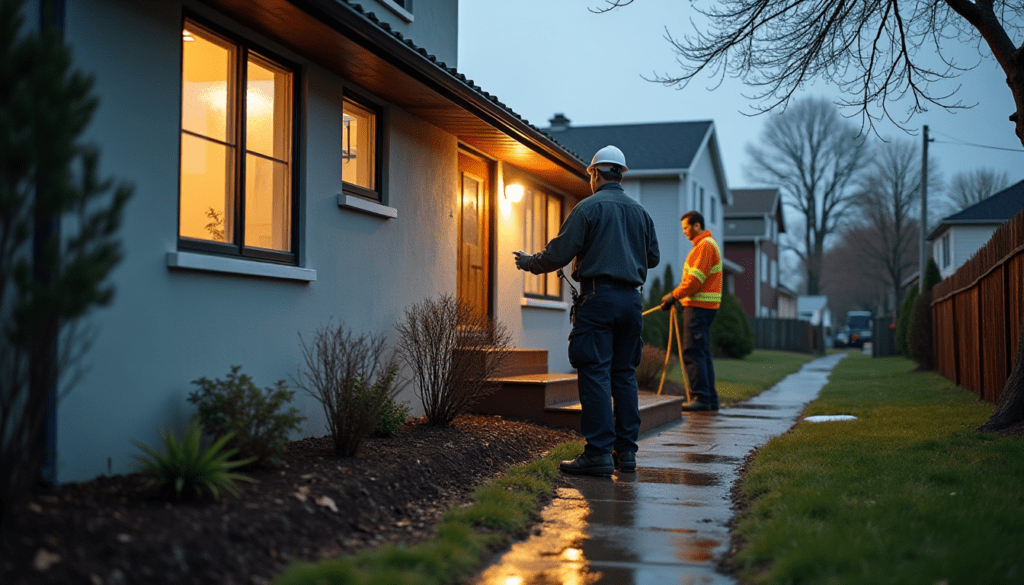
Understanding what qualifies as an emergency repair is essential for homeowners, renters, and property managers in :contentReference[oaicite:0]{index=0}. When something goes wrong in a property, knowing whether the issue requires immediate attention or can wait until regular business hours can prevent serious damage, safety risks, and costly repairs. Emergency repairs are not about convenience; they are about protecting people, property, and essential living conditions.
In Newark, where older housing stock, seasonal weather shifts, and dense residential living are common, emergency repair situations arise more often than many expect. From burst pipes during freezing winters to electrical failures in multi-unit buildings, recognizing true emergencies helps ensure fast, appropriate responses. This guide walks through real-world emergency repair scenarios, focusing on practical identification rather than theory.
What “Emergency Repair” Really Means
An emergency repair refers to a sudden issue that poses an immediate threat to health, safety, or the structural integrity of a property. These situations require prompt action because delaying repairs could lead to injury, uninhabitable conditions, or extensive property damage. In Newark homes and rental properties, emergency repairs often involve essential systems such as plumbing, electricity, heating, or structural components.
Unlike routine maintenance, emergency repairs are unpredictable and time-sensitive. A slow-dripping faucet may be inconvenient, but it rarely qualifies as an emergency. On the other hand, a major water leak flooding a basement or a complete loss of power in part of a home is a situation that cannot wait. The key factor is urgency combined with risk.
Many people assume that any repair needed after hours is automatically an emergency, but that is not always the case. True emergency repairs are defined by impact, not timing. If the issue makes the property unsafe, unlivable, or vulnerable to rapid damage, it likely qualifies as an emergency repair.
Why Knowing the Difference Matters
Correctly identifying emergency repairs helps prevent unnecessary panic while ensuring serious problems receive immediate attention. Overreacting to minor issues can strain repair resources, while underestimating real emergencies can lead to severe consequences. In Newark’s tightly packed residential areas, one unresolved emergency can quickly affect neighboring units or properties.
For property owners, understanding emergency repairs helps prioritize response efforts and manage costs effectively. Addressing emergencies quickly often reduces long-term repair expenses. For residents, recognizing emergencies ensures personal safety and protects belongings. Water damage, electrical hazards, and heating failures can escalate rapidly if ignored.
Misclassification also leads to frustration. Treating routine repairs as emergencies may result in delayed responses when genuine emergencies arise. On the other hand, failing to act swiftly during real emergencies can cause disruptions that extend far beyond the original issue.
Common Emergency Repair Categories
Emergency repairs generally fall into several core categories. While each situation is unique, most emergencies in Newark homes and rental properties involve one or more of the following areas. Understanding these categories provides a clearer framework for identifying urgent problems.
Plumbing Emergencies
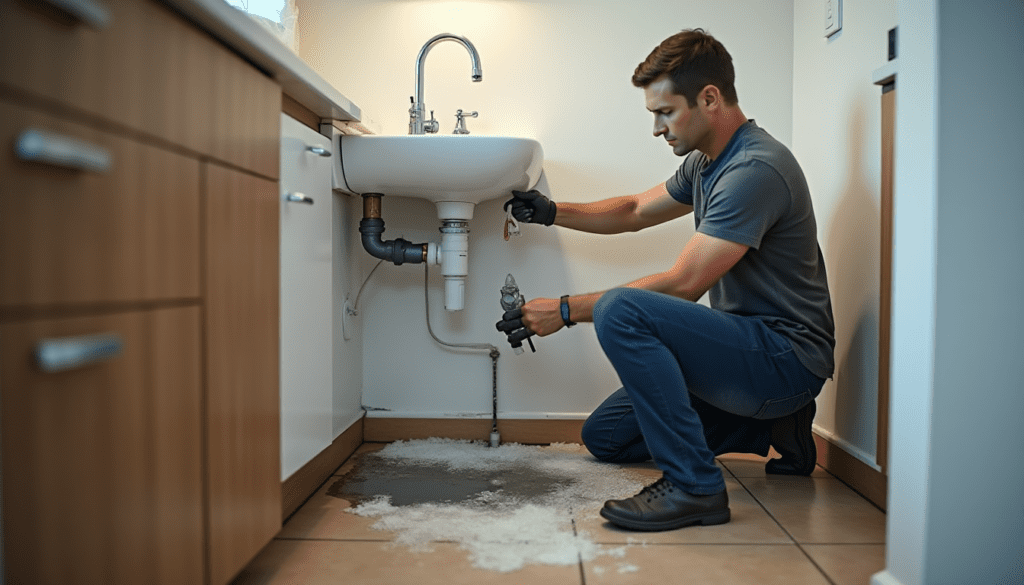
Plumbing issues are among the most common emergency repairs. Burst pipes, major leaks, sewage backups, or complete loss of water service demand immediate action. Water damage spreads quickly, weakening structures, damaging personal property, and encouraging mold growth. In older Newark buildings, aging pipes increase the risk of sudden plumbing failures.
Electrical Emergencies
Electrical problems present serious safety hazards. Exposed wiring, burning smells from outlets, frequent circuit breaker trips, or complete power loss can indicate dangerous conditions. Electrical emergencies are particularly critical in multi-unit properties, where one issue can affect multiple residents. Prompt attention reduces fire risk and ensures essential systems remain operational.
HVAC and Heating Failures
Loss of heat during winter or cooling during extreme summer heat can quickly become an emergency. Newark experiences cold winters and humid summers, making HVAC system failures more than just uncomfortable. For vulnerable populations such as children or elderly residents, temperature control is a health necessity.
Structural and Roof Emergencies
Structural issues such as collapsing ceilings, significant foundation cracks, or roof damage from storms require urgent repairs. These problems threaten the safety of occupants and can worsen rapidly if left unresolved. Newark’s occasional severe weather events make roof and structural emergencies a real concern.
Emergency Plumbing Examples
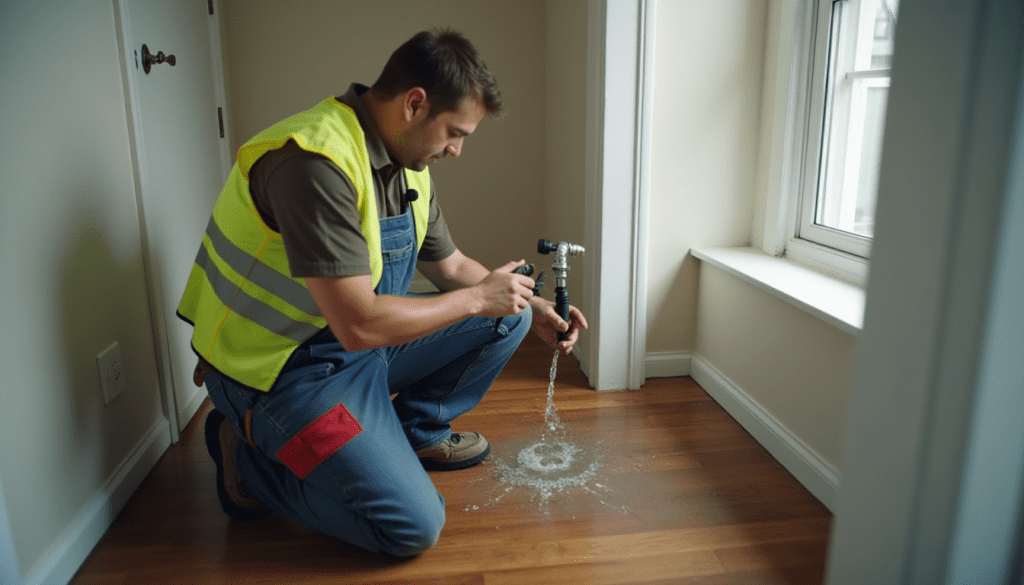
Plumbing emergencies are often the most disruptive because water can cause widespread damage in a short time. A burst pipe, for example, can flood multiple rooms within minutes. In Newark homes with older plumbing systems, sudden pipe failures are not uncommon, especially during winter freezes.
Sewage backups represent another serious emergency. When wastewater flows back into sinks, tubs, or toilets, it creates unsanitary living conditions and potential health risks. Immediate professional intervention is necessary to stop the flow and sanitize affected areas.
Complete loss of water service is also considered an emergency, particularly if it affects drinking water, sanitation, or cooking. Without water, a property quickly becomes uninhabitable. These situations require urgent diagnosis to restore service and prevent further complications.
Electrical Emergencies That Can’t Wait
Electrical emergencies often go unnoticed until they become dangerous. Flickering lights, sparks, or warm outlets can signal underlying wiring problems. In Newark’s older residential buildings, outdated electrical systems may struggle to handle modern power demands, increasing the risk of emergencies.
A complete power outage affecting essential systems such as heating, refrigeration, or medical equipment qualifies as an emergency. Even partial outages can be serious if they disrupt safety systems like smoke detectors or security lighting.
Any sign of burning smells, visible sparks, or tripped breakers that will not reset should be treated as urgent. Electrical issues escalate quickly and should never be ignored or handled without professional expertise.
HVAC & Heating Failures in Extreme Weather
Heating and cooling system failures are some of the most misunderstood emergency repairs, yet they can quickly become serious when temperatures reach extremes. In winter months, a complete heating system breakdown can cause indoor temperatures to drop rapidly, leading to frozen pipes, unsafe living conditions, and health risks for occupants. Prolonged exposure to cold indoor environments can be especially dangerous for children, elderly individuals, and anyone with underlying health conditions.
During summer, air conditioning failures may not seem urgent at first, but in periods of high heat and humidity, indoor temperatures can rise to unsafe levels. Poor ventilation combined with excessive heat can lead to dehydration, heat exhaustion, and damage to sensitive electronics or appliances. In tightly sealed buildings, the lack of airflow can worsen indoor air quality as well.
Emergency HVAC situations are not limited to full system shutdowns. Burning smells, loud mechanical noises, or systems cycling on and off repeatedly may indicate electrical or mechanical failures that could escalate if ignored. Addressing these issues quickly helps prevent more extensive damage and ensures the system can be safely restored.
Water Damage & Leak Emergencies
Water-related emergencies extend beyond obvious burst pipes. Hidden leaks behind walls, under floors, or above ceilings can cause significant damage before they are detected. Signs such as sudden water stains, sagging drywall, or unexplained increases in water bills often indicate an urgent issue that requires immediate investigation.
Active leaks pose a dual threat: structural deterioration and mold growth. Once moisture penetrates building materials, it weakens wood, corrodes metal, and compromises insulation. Mold can begin developing within a short period, creating long-term health concerns and costly remediation needs.
Appliance-related leaks also fall into this category. Washing machines, water heaters, and dishwashers can fail suddenly, releasing large volumes of water. Shutting off the water supply and arranging prompt repairs minimizes damage and reduces restoration costs.
Gas Leaks and Immediate Safety Hazards
Gas-related issues are among the most dangerous emergency repair situations. The smell of gas, hissing sounds near gas lines, or unexplained dizziness or headaches indoors can indicate a leak. Gas leaks pose an immediate risk of explosion or carbon monoxide exposure and should never be ignored.
In any suspected gas emergency, occupants should prioritize safety by ventilating the area if possible and avoiding actions that could create sparks. Professional intervention is required to locate and repair the source of the leak and confirm the space is safe before reoccupation.
Carbon monoxide concerns also fall under this category. Malfunctioning furnaces, blocked vents, or faulty appliances can allow odorless, colorless gas to accumulate. Carbon monoxide detectors provide early warnings, but any alarm activation should be treated as an emergency.
Appliance Failures That Require Immediate Response
While many appliance issues are routine, some failures demand urgent attention. Refrigerators that stop working can quickly lead to food spoilage, but more critically, electrical malfunctions within appliances can present fire risks. Sparks, burning smells, or visible damage are signs that immediate action is necessary.
Water heaters are another common source of emergency repairs. A leaking or ruptured water heater can release dozens of gallons of water, causing flooding and potential electrical hazards. Sudden loss of hot water combined with visible leaks or pressure buildup should be addressed without delay.
Appliances connected to gas lines require special attention. Any malfunction involving gas-powered stoves, dryers, or heaters increases safety risks and warrants immediate professional assessment.
How to Assess Severity Before Calling
Determining whether a situation qualifies as an emergency involves evaluating both risk and urgency. Ask whether the issue threatens safety, causes active damage, or prevents essential daily functions such as water access, heating, or electricity. If the answer is yes, the problem likely requires immediate attention.
Another factor is progression. Problems that worsen quickly, such as spreading water damage or electrical instability, should be treated as emergencies even if the initial signs seem minor. Delays often increase both repair complexity and cost.
When in doubt, documenting the issue with photos or notes can help professionals assess severity quickly. Clear communication ensures faster, more accurate responses and reduces unnecessary delays.
Steps to Take Immediately During an Emergency Repair
When an emergency repair situation occurs, the first few minutes matter. Acting quickly and calmly can significantly reduce damage and protect everyone inside the property. The initial step is always to prioritize safety. If there is an immediate threat such as flooding, electrical sparks, gas smells, or structural instability, occupants should move to a safe area before attempting any corrective action.
Once safety is addressed, shutting off the source of the problem can help limit damage. Turning off the main water valve during a plumbing emergency, switching off electrical breakers when wiring issues arise, or stopping gas flow if a leak is suspected can prevent the situation from worsening. These steps do not replace professional repairs, but they buy valuable time.
Clear communication is also critical. Accurately describing the issue, what actions have already been taken, and any visible signs helps professionals respond more effectively. In multi-unit buildings, notifying others nearby can prevent secondary damage and ensure everyone remains safe.
What Happens If Urgent Repairs Are Delayed
Delaying emergency repairs often leads to compounding problems. What begins as a manageable issue can escalate into extensive property damage, increased repair costs, and longer recovery times. Water damage, for example, spreads rapidly through flooring, walls, and ceilings, weakening materials and encouraging mold growth.
Electrical problems left unresolved may progress from minor flickering to system failures or fire hazards. Similarly, unresolved heating issues in cold conditions can result in frozen pipes, which often burst and create secondary water emergencies.
Beyond physical damage, delays can disrupt daily life and create unsafe living environments. Emergency repairs are designed to restore basic habitability, and postponing them undermines that purpose.
Seasonal Emergency Repairs Common in Newark
Seasonal conditions play a significant role in the types of emergency repairs most commonly experienced throughout the year. During winter, frozen pipes, heating failures, and roof damage from snow or ice accumulation are frequent concerns. Sudden temperature drops increase stress on plumbing systems, especially in older buildings.
In warmer months, heavy rainstorms can overwhelm drainage systems, leading to basement flooding or roof leaks. High humidity and heat place additional strain on air conditioning systems, increasing the likelihood of sudden breakdowns.
Understanding seasonal patterns allows property owners and residents to anticipate risks and respond more effectively when emergencies occur.
Preparing Ahead for Common Emergency Situations
Preparation is one of the most effective ways to reduce the impact of emergency repairs. Knowing the location of shut-off valves, circuit breakers, and emergency contacts ensures quicker response times when issues arise. Regular inspections of plumbing, electrical, and HVAC systems help identify vulnerabilities before they become emergencies.
Keeping emergency supplies such as flashlights, batteries, and basic tools readily available can make a significant difference during power outages or after-hours emergencies. Clear access to critical areas like utility rooms and panels also speeds up professional intervention.
While emergencies cannot always be prevented, preparedness reduces stress, damage, and recovery time.
After-Hours Repair Situations and What to Expect
Many emergency repairs occur outside standard business hours, which can create uncertainty about response times and procedures. After-hours emergency services are designed to address urgent situations that cannot wait until the next day. These responses typically focus on stabilizing the issue and preventing further damage.
Temporary fixes may be implemented to restore safety and basic function, with permanent repairs scheduled once conditions allow. Understanding this process helps set realistic expectations while ensuring the emergency is handled appropriately.
Clear access to the affected area and accurate information about the problem can significantly improve after-hours repair outcomes.
Knowing When a Problem Is No Longer an Emergency
Once the immediate risk has been addressed, many situations transition from emergency repairs to follow-up maintenance. For example, stopping an active leak resolves the emergency, but drying, restoration, and permanent repairs may follow later.
Recognizing this transition helps prioritize resources and ensures that emergency services remain available for truly urgent situations. Continued monitoring after the initial repair is important to confirm the issue does not reoccur.
Effective emergency response does not end when the immediate danger passes; proper follow-up ensures long-term stability.
Final Thoughts on Identifying Emergency Repairs
Emergency repairs are defined by urgency, risk, and impact rather than inconvenience. Understanding what qualifies as an emergency helps protect property, finances, and personal safety. In fast-moving situations, quick assessment and decisive action make a meaningful difference.
Staying informed, prepared, and attentive to warning signs allows residents and property owners to respond confidently when emergencies arise. Clear judgment and timely response remain the foundation of effective emergency repair management.
Local Emergency Repair Resources to Keep Handy
Having reliable local resources available before an emergency occurs can significantly reduce response time and stress. Emergency situations rarely allow time for research, so keeping trusted contacts accessible is essential. Local utility providers, emergency repair services, and maintenance professionals familiar with Newark properties can respond more efficiently because they understand the area’s infrastructure and common building challenges.
For water-related emergencies such as main line issues or service disruptions, residents often rely on official municipal guidance. The :contentReference[oaicite:0]{index=0} provides updated information and emergency contacts related to water service problems that may affect entire neighborhoods.
Property owners and managers may also benefit from maintaining relationships with local emergency repair vendors who offer after-hours service. Familiarity with Newark’s housing layouts, older construction styles, and permitting processes can help speed up emergency stabilization.
How Emergency Repairs Impact Nearby Units and Properties
In densely populated residential areas, emergency repairs rarely affect just one unit. A plumbing failure in one apartment can cause water damage in multiple units below. Electrical issues may impact shared systems, and structural problems can compromise adjacent spaces.
This interconnected nature makes rapid identification and response even more important. Addressing emergencies promptly helps prevent secondary damage, reduces disruption to neighbors, and limits broader repair costs. Clear communication among occupants and property representatives helps ensure coordinated action.
Understanding this ripple effect reinforces why emergency repairs should never be underestimated, even when the initial issue appears isolated.
Using Professional Assessment to Confirm Emergencies
Not every urgent-looking issue turns out to be a true emergency, and not every emergency is immediately obvious. Professional assessment plays a critical role in accurate classification. Experienced technicians can identify hidden risks, determine the scope of the problem, and recommend immediate or staged solutions.
Relying on professional judgment helps avoid unnecessary repairs while ensuring genuine emergencies receive prompt attention. This balance protects both safety and long-term property value.
When emergency conditions are ruled out, professionals can often provide guidance on next steps, timelines, and preventive measures to reduce future risks.
Frequently Asked Questions About Emergency Repairs
How do I know if a repair issue is an emergency?
If the issue threatens safety, causes active damage, or prevents essential services like water, electricity, or heat, it likely qualifies as an emergency. Rapidly worsening problems should also be treated as urgent.
Are plumbing leaks always emergencies?
Not all leaks are emergencies, but active leaks causing flooding, water damage, or loss of water service require immediate attention.
Is loss of heat always considered urgent?
Loss of heat becomes an emergency during cold conditions or when it affects vulnerable occupants. Prolonged lack of heating can also lead to frozen pipes and additional damage.
What should I do first during an emergency repair situation?
Prioritize safety, shut off the source if possible, and contact a qualified professional. Clear communication helps ensure a faster and more effective response.
Staying Prepared for Future Emergency Repairs
Emergency repairs are never convenient, but preparedness reduces their impact. Regular inspections, clear emergency plans, and awareness of common risks help residents and property owners respond effectively when problems arise.
Keeping this guide accessible and sharing it with others in the property can improve collective readiness. Emergency repairs are best handled with knowledge, preparation, and decisive action.