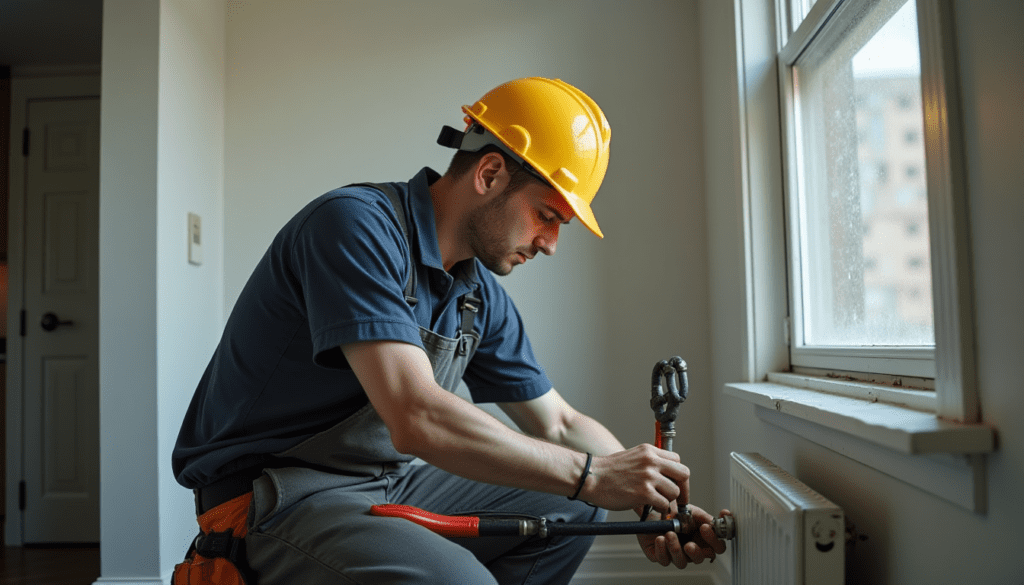
Emergency repairs in Essex County NJ are not just inconvenient problems that pop up at the worst possible time. They are situations that directly affect safety, health, or the basic ability to live in a rental property without immediate risk. For tenants and property owners alike, knowing how to identify emergency repairs can prevent serious damage, protect occupants, and ensure fast, appropriate action when something goes wrong.
Many renters assume any major inconvenience qualifies as an emergency, while others underestimate truly dangerous situations. This confusion often leads to delayed responses, property damage escalation, or unnecessary panic. Understanding what actually counts as an emergency repair in Essex County rental properties helps everyone respond correctly, efficiently, and responsibly.
This guide focuses on real-world emergency maintenance scenarios commonly seen in Essex County NJ rentals. It explains how emergencies differ from routine repairs, highlights high-risk situations, and clarifies which issues require immediate attention versus those that can wait for standard maintenance scheduling.
What Defines an Emergency Repair in Essex County Rental Properties
An emergency repair is any issue that poses an immediate threat to health, safety, or the structural integrity of a rental property. In Essex County NJ, emergency repairs typically involve situations where waiting could cause injury, severe property damage, or make the unit unsafe or unlivable.
Emergency repairs are not defined by inconvenience or discomfort alone. Instead, they are defined by urgency and risk. If a problem threatens essential services, creates a hazardous environment, or could worsen rapidly without intervention, it is generally considered an emergency maintenance issue.
Common characteristics of emergency repairs include:
- Immediate danger to occupants or neighboring units
- Loss of critical services such as heat, water, or electricity
- Situations that could escalate into major property damage
- Safety hazards involving fire, gas, or structural instability
Recognizing these characteristics allows tenants to report issues accurately and helps property managers prioritize response efforts. Emergency repairs in Essex County NJ are about urgency, not convenience.
Emergency Repairs vs. Routine Maintenance
Routine maintenance issues are problems that, while inconvenient, do not pose immediate danger. Examples include dripping faucets, slow drains, cosmetic wall damage, or non-essential appliance malfunctions. These issues should still be reported, but they do not require emergency response.
Emergency repairs, on the other hand, demand immediate action because delaying could lead to serious consequences. A burst pipe flooding a unit or a power outage affecting medical equipment cannot wait for regular business hours.
Understanding this difference helps reduce unnecessary emergency calls while ensuring real emergencies receive immediate attention.
Common Scenarios Tenants Encounter Emergency Repairs
Tenants in Essex County NJ experience emergency repair situations more often than many realize, especially in older buildings or during extreme weather conditions. These emergencies often arise suddenly and escalate quickly, making fast identification crucial.
Some of the most common emergency repair scenarios include sudden water leaks, electrical failures, heating system breakdowns during winter, and security breaches such as broken exterior doors. Each of these situations directly affects tenant safety or habitability.
Emergency maintenance calls tend to spike during seasonal changes, particularly during winter freezes and summer storms. Pipes freeze, electrical systems overload, and older infrastructure is put under stress. Being prepared for these scenarios helps tenants act quickly and responsibly.
Tenants should never hesitate to report a genuine emergency repair. Delaying action can worsen damage and increase safety risks for everyone in the building.
When Essential Services Fail — Heat, Water, Power
The loss of essential services is one of the clearest indicators of an emergency repair in Essex County NJ. These services are fundamental to daily living and health, and their absence can quickly make a rental unit unsafe.
Essential services typically include heating, running water, electricity, and, in many cases, hot water. When these systems fail unexpectedly, especially during extreme weather, immediate action is necessary.
Loss of Heat
No heat during cold months is one of the most serious emergency repair situations in Essex County. Low indoor temperatures can cause health risks, frozen pipes, and structural damage. Heating failures are especially dangerous for children, elderly occupants, and individuals with medical conditions.
When a heating system stops working entirely or cannot maintain safe indoor temperatures, it should be reported immediately as an emergency repair. Temporary fixes may be implemented quickly, but professional repair is essential.
No Running Water or Electricity
A sudden loss of water affects sanitation, hygiene, and basic living conditions. If the issue impacts the entire unit or building and cannot be resolved quickly, it is considered an emergency repair.
Electrical outages can also qualify as emergency repairs, particularly when they involve exposed wiring, sparks, or affect critical systems such as lighting, refrigeration, or medical equipment. Electrical failures that create fire hazards or safety risks require immediate professional attention.
Plumbing Emergencies That Demand Immediate Attention
Plumbing problems are among the most common emergency repairs in Essex County NJ rentals. Water-related issues can escalate quickly, causing extensive damage and safety hazards if not addressed immediately.
Not all plumbing problems are emergencies, but certain situations require urgent action due to their severity and potential impact.
Burst Pipes and Major Leaks
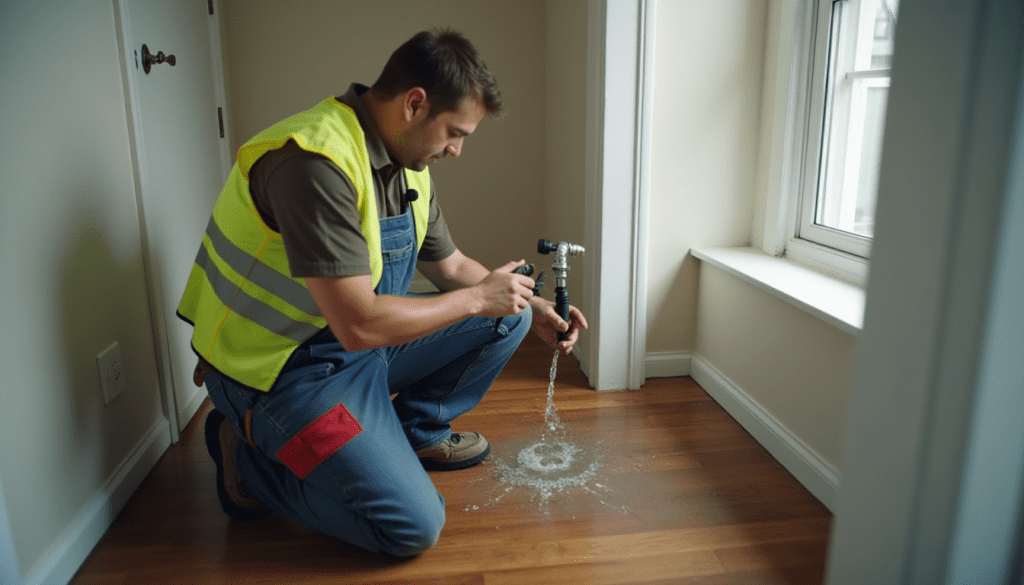
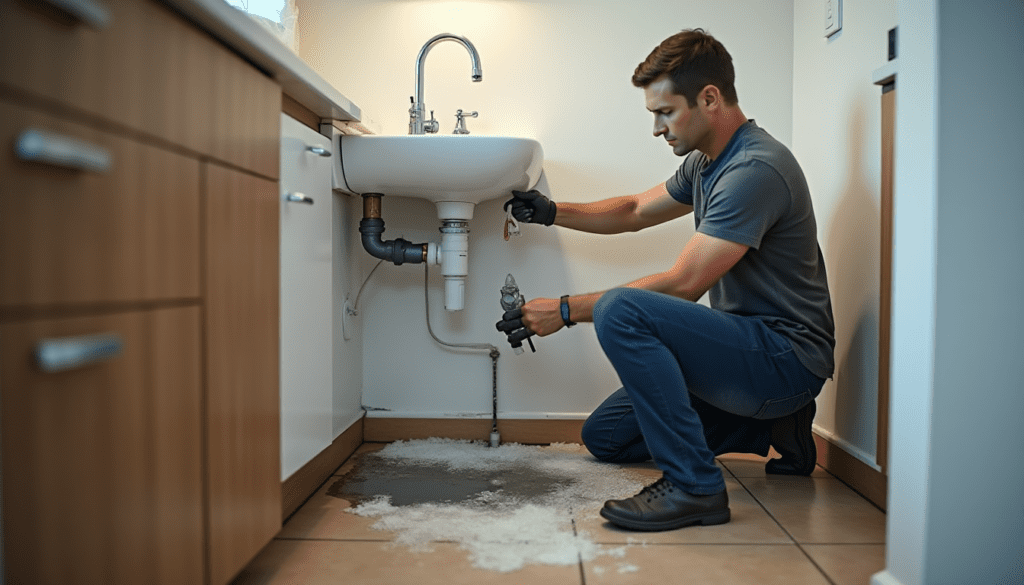
A burst pipe is a clear emergency repair. Water can flood living spaces, damage walls and flooring, and affect neighboring units within minutes. Major leaks that cannot be controlled by shutting off a fixture also require immediate response.
In these situations, tenants should take basic steps to minimize damage if possible, such as shutting off the water supply, while waiting for professional repairs.
Overflowing Toilets and Sewer Backups
Plumbing emergencies also include sewage backups or overflowing toilets that cannot be stopped. These situations pose serious health risks and make the unit unsafe for occupancy until resolved.
Any plumbing issue that results in contaminated water, structural saturation, or loss of sanitation qualifies as an emergency repair in Essex County NJ.
Electrical Hazards and Fire Safety Issues
Electrical problems are among the most dangerous emergency repairs due to the risk of fire, electrocution, and property damage. These issues should never be ignored or treated as routine maintenance.
Common electrical emergencies include sparking outlets, exposed wiring, burning smells, repeated breaker trips, and partial power loss affecting safety systems.
Exposed Wiring and Sparking Outlets
Visible wiring or outlets that spark when used present an immediate fire hazard. These situations require urgent professional repair and should not be handled by tenants.
Electrical hazards can worsen quickly, especially in older buildings where wiring systems may already be under strain.
Fire Risk and System Failures
Any electrical issue that increases the risk of fire qualifies as an emergency repair. This includes overheating panels, buzzing sounds from electrical boxes, or power fluctuations that affect multiple areas of the unit.
Prompt reporting and immediate response help prevent serious incidents and protect both occupants and property.
Need Help With an Emergency Repair? If you are dealing with an urgent maintenance issue in an Essex County NJ rental, fast action matters. Clear communication, proper reporting, and professional response can prevent damage from escalating and help restore safe living conditions as quickly as possible.
Gas Leaks, Carbon Monoxide, and Dangerous Fumes
Gas-related issues are among the most serious emergency repairs in Essex County NJ because they pose immediate and potentially life-threatening risks. Even a small gas leak can escalate quickly, especially in enclosed residential spaces such as apartments, duplexes, or multi-unit buildings.
Tenants should treat any suspected gas leak as an emergency without hesitation. Common warning signs include the smell of sulfur or rotten eggs, hissing sounds near gas lines, unexplained dizziness, headaches, or nausea, and pilot lights going out repeatedly. These symptoms indicate a hazardous environment that requires immediate action.
Carbon monoxide is another silent danger associated with faulty heating systems, blocked vents, or malfunctioning appliances. Because carbon monoxide is odorless and invisible, it can be especially dangerous if detectors are missing or not functioning properly. Any suspected carbon monoxide issue should be treated as an emergency repair requiring urgent professional attention.
In situations involving gas or carbon monoxide, tenant safety always comes first. Leaving the unit and notifying emergency services or utility providers may be necessary before repair professionals can safely address the issue.
Severe Water Damage, Flooding, and Burst Pipe Emergencies
Water damage emergencies extend beyond simple leaks. Flooding, uncontrolled water intrusion, and burst pipes can rapidly compromise a rental property’s structure, electrical systems, and indoor air quality. These situations often require immediate emergency repairs to prevent long-term damage.
Flooding can occur due to burst pipes, failed water heaters, heavy storms, or drainage system failures. When water spreads across floors, seeps into walls, or affects electrical components, the situation becomes urgent and dangerous.
Standing water increases the risk of mold growth, electrical shock, and structural weakening. Emergency repair teams typically focus first on stopping the water source, followed by damage mitigation and safety assessments.
Why Speed Matters with Water Emergencies
Delaying water-related emergency repairs can multiply repair costs and safety risks. Water can damage drywall, flooring, insulation, and personal belongings within hours. Fast response is critical to protect both the property and the people living inside it.
Security and Structural Emergencies
Security issues and structural failures are often overlooked as emergency repairs, yet they can pose serious safety threats. A rental property must be secure and structurally sound to be considered safe for occupancy.
Security emergencies include broken exterior doors, shattered windows that cannot be secured, or damaged locks that leave the unit vulnerable to unauthorized entry. These situations expose tenants to personal safety risks and should be addressed immediately.
Structural emergencies may involve ceiling collapses, severe cracks, compromised staircases, or damage caused by storms or impact. Any condition that threatens the stability of the building or safe movement within it qualifies as an emergency repair.
How to Recognize Urgent Issues Versus Non-Emergency Problems
One of the biggest challenges tenants face is deciding whether an issue is truly an emergency repair or something that can wait for routine maintenance. Misclassification can either delay critical repairs or overwhelm emergency response systems with non-urgent requests.
A useful way to evaluate a situation is to ask whether the problem poses immediate danger, affects essential services, or could rapidly worsen if ignored. If the answer is yes, it is likely an emergency repair.
Examples of non-emergency issues include cosmetic damage, minor appliance malfunctions, slow drains, or small leaks that can be contained. While these problems should still be reported, they typically do not require immediate emergency response.
Tenant Reporting: How and When to Notify for Emergency Repairs
When an emergency repair occurs, clear and timely communication is essential. Tenants should report the issue as soon as it is identified, using the fastest available method such as phone or emergency maintenance contact systems.
Providing accurate details helps speed up response times. This includes describing what is happening, when it started, what areas are affected, and whether any immediate safety concerns exist. Photos or videos can be helpful when safe to obtain.
Keeping records of emergency repair reports, including dates and responses, can also be useful for future reference and follow-up.
After-Hours and 24/7 Emergency Repair Situations
Many emergency repairs occur outside normal business hours. Plumbing failures, heating breakdowns, and electrical issues often happen at night, on weekends, or during holidays.
Because emergencies do not follow schedules, rental properties typically have after-hours procedures for urgent maintenance. Tenants should familiarize themselves with these procedures before an emergency occurs so they can act quickly when needed.
Knowing who to contact and what steps to take reduces confusion and helps ensure a faster resolution during stressful situations.
Being Prepared Makes a Difference. Understanding what qualifies as emergency repairs in Essex County NJ allows tenants to respond calmly and effectively when urgent situations arise. Recognizing the signs, acting quickly, and communicating clearly can protect health, safety, and property when it matters most.
Documentation: Why It Matters During Emergency Repairs
When emergency repairs occur in an Essex County NJ rental, documentation plays a critical role in ensuring the situation is handled properly and efficiently. While safety should always be the first priority, keeping accurate records can help clarify timelines, responses, and actions taken during urgent maintenance situations.
Documentation can include written descriptions of the problem, dates and times when the issue started, when it was reported, and how it progressed. Photos or short videos, taken only if it is safe to do so, can provide clear evidence of the severity of the emergency repair.
These records are especially useful when emergency repairs involve multiple units, recurring issues, or significant property damage. Clear documentation helps ensure accountability and provides a reliable reference if follow-up repairs or inspections are needed later.
What Typically Happens After Emergency Repairs Begin
Once an emergency repair is reported and acknowledged, the immediate goal is to stabilize the situation. This often means stopping active damage, eliminating safety hazards, and restoring basic functionality as quickly as possible.
In many cases, the first response may involve temporary solutions. For example, shutting off water to stop flooding, restoring partial power, or securing a broken door until permanent repairs can be completed. These initial actions are essential to prevent further damage and reduce risk.
After stabilization, follow-up work is usually scheduled to fully resolve the issue. Emergency repairs often uncover underlying problems that require additional attention, such as aging infrastructure, hidden water damage, or worn electrical components.
Preventing Emergency Repairs Through Regular Maintenance
While not all emergency repairs can be prevented, regular maintenance significantly reduces the likelihood of sudden failures. Many emergency situations in Essex County NJ rentals stem from issues that developed gradually over time.
Routine inspections, timely repairs, and proactive system checks help identify warning signs before they turn into emergencies. Heating systems, plumbing lines, electrical panels, and roofing components all benefit from regular attention.
Tenants can also contribute to prevention by reporting minor issues early. A small leak or unusual noise may seem insignificant, but early reporting can prevent larger emergency repairs later.
Seasonal Risks That Increase Emergency Repairs in Essex County
Seasonal changes have a major impact on the frequency of emergency repairs in Essex County NJ. Weather conditions place added stress on building systems, increasing the risk of sudden failures.
During winter, frozen pipes, heating system breakdowns, and power outages become more common. Cold temperatures can cause older plumbing systems to crack or burst, leading to severe water damage emergencies.
Summer brings its own challenges, including electrical overloads, water usage strain, and storm-related damage. Heavy rainfall can overwhelm drainage systems, while heat waves can expose weaknesses in electrical infrastructure.
Understanding these seasonal risks helps tenants stay alert and respond quickly when emergency repair situations arise.
When Public Safety Services Should Be Contacted First
Not all emergency repairs should be handled solely through property maintenance channels. Certain situations require immediate involvement from public safety or utility services before any repair work can begin.
Examples include gas leaks, active fires, severe electrical hazards, or situations where occupants are at immediate risk. In these cases, leaving the unit and contacting emergency services is the safest course of action.
Once the immediate danger is addressed, repair professionals can safely evaluate and fix the underlying issue. Knowing when to prioritize personal safety over property concerns is essential during emergency situations.
Why Clear Communication Matters During Emergencies
Emergency repairs are stressful by nature, but clear communication can significantly improve outcomes. Providing accurate information, following established procedures, and responding promptly to requests for access or updates all contribute to faster resolution.
Tenants who understand what qualifies as an emergency repair in Essex County NJ are better equipped to communicate effectively. This clarity helps ensure that urgent issues receive immediate attention while routine maintenance is handled appropriately.
Clear communication also reduces confusion, delays, and unnecessary escalation during already difficult situations.
Final Thoughts on Emergency Repairs in Essex County NJ
Emergency repairs are defined by urgency, risk, and the potential for harm. In Essex County NJ rental properties, recognizing what truly counts as an emergency helps protect health, safety, and property.
From loss of essential services to plumbing disasters, electrical hazards, gas leaks, and security failures, emergency repairs require immediate and informed action. Knowing how to identify these situations, report them promptly, and respond safely makes a meaningful difference.
Need Help With an Emergency Repair? If you are facing an urgent maintenance issue in an Essex County NJ rental, acting quickly and communicating clearly can prevent further damage and restore safe living conditions as soon as possible.
Frequently Asked Questions About Emergency Repairs in Essex County NJ
Emergency repairs can be confusing, especially when situations escalate quickly. Below are some of the most common questions tenants have when dealing with urgent maintenance issues in Essex County NJ rental properties.
What qualifies as an emergency repair in Essex County NJ?
An emergency repair is any issue that poses an immediate risk to health, safety, or the habitability of a rental unit. This includes loss of heat, water, or electricity, gas leaks, severe plumbing failures, electrical hazards, flooding, structural instability, or security issues that leave a unit unsafe.
Does no heat automatically count as an emergency?
Yes, a complete loss of heat is typically considered an emergency repair, especially during colder months. Lack of heat can lead to health risks and property damage, including frozen pipes and unsafe indoor conditions.
Are all plumbing issues considered emergencies?
No. Minor plumbing problems such as slow drains or small contained leaks are usually not emergencies. However, burst pipes, sewage backups, flooding, or leaks that cannot be controlled qualify as emergency repairs and require immediate attention.
What should tenants do first during an emergency repair situation?
The first priority should always be personal safety. If there is immediate danger, such as gas leaks, fire risk, or electrical hazards, tenants should leave the unit and contact emergency services or utility providers. Once it is safe, the issue should be reported using the fastest available method.
How quickly should emergency repairs be addressed?
Emergency repairs require prompt response due to their urgent nature. Initial action often focuses on stabilizing the situation, followed by permanent repairs as soon as possible. Response times may vary depending on the type and severity of the emergency.
What if the issue happens after normal business hours?
Many emergency repairs occur outside regular hours. Tenants should use designated after-hours or emergency contact procedures provided for their rental property. These systems are designed to ensure urgent issues receive timely attention.
Staying Informed and Prepared for Emergency Repairs
Preparation plays a major role in managing emergency repairs effectively. Knowing what qualifies as an emergency, understanding reporting procedures, and recognizing warning signs can help tenants respond quickly and calmly when urgent situations arise.
Keeping emergency contact information accessible, reporting issues early, and maintaining awareness of seasonal risks all contribute to safer rental living in Essex County NJ.
Emergency repairs are never convenient, but informed action can reduce stress, prevent damage from worsening, and protect everyone involved.
Need Help With an Emergency Repair? If you are dealing with an urgent maintenance issue in an Essex County NJ rental, fast action matters. Clear communication, proper reporting, and professional response can prevent damage from escalating and help restore safe living conditions as quickly as possible.