Emergency repairs are one of the most misunderstood aspects of rental property maintenance, especially for landlords and tenants in Caldwell, New Jersey. What feels like an emergency to a tenant may not always qualify as one from a property management standpoint, while some issues that seem minor at first can quickly escalate into serious safety or habitability risks. Knowing how to correctly identify emergency repairs helps protect the property, ensures tenant safety, and prevents unnecessary disputes or delays.
In Caldwell NJ, emergency repairs generally involve situations that pose an immediate risk to health, safety, or the basic livability of a rental unit. These issues often require immediate attention, even outside of regular business hours. Failing to address them promptly can lead to property damage, tenant displacement, and increased repair costs. For tenants, understanding what qualifies as an emergency helps them report issues responsibly and avoid misusing emergency maintenance channels.
This guide breaks down what truly counts as an emergency repair, how emergency situations differ from routine maintenance, and the most common examples landlords and tenants encounter in New Jersey rental properties. The goal is to create clarity, reduce confusion, and establish realistic expectations for both sides.
What “Emergency Repair” Means for Rental Properties
An emergency repair in a rental property is any issue that requires immediate action to prevent harm to occupants, protect the structure of the property, or maintain basic living conditions. These are not cosmetic problems or inconveniences; they are situations that cannot reasonably wait days or weeks to be addressed. In many cases, emergency repairs demand same-day or next-day response.
Emergency repair situations often involve essential services such as heat, water, electricity, or gas. When these services fail completely or become dangerous, the property may no longer be safe or habitable. For example, a total loss of heat during winter months in Caldwell NJ is not just uncomfortable, it can quickly become hazardous due to freezing temperatures and the risk of frozen pipes.
Another defining factor of an emergency repair is unpredictability. Emergencies typically arise suddenly and without warning, such as a burst pipe, a gas leak, or a major electrical failure. These events require immediate coordination with licensed professionals and, in some cases, temporary relocation of tenants until the issue is resolved.
Understanding the meaning of emergency repairs is especially important for landlords managing multiple units. A clear definition allows property managers to create emergency response plans, establish after-hours procedures, and ensure tenants know exactly when and how to report urgent issues.
Essential Repairs vs Non-Emergency Repairs: Key Differences
One of the biggest sources of confusion in rental maintenance is the difference between essential emergency repairs and non-emergency maintenance requests. While both are important, they operate on very different timelines and levels of urgency. Emergency repairs require immediate attention, while non-emergency issues can usually be scheduled during normal business hours.
Essential emergency repairs directly impact health, safety, or structural integrity. These include situations like active water leaks, exposed wiring, gas odors, or security breaches such as broken exterior door locks. These problems can worsen quickly and cause extensive damage if ignored, making fast response critical.
Non-emergency repairs, on the other hand, are issues that may be inconvenient but do not pose an immediate risk. Examples include a dripping faucet, a malfunctioning dishwasher, minor drywall damage, or a broken cabinet hinge. While these should still be addressed in a reasonable timeframe, they do not justify emergency calls or after-hours service in most cases.
For tenants in Caldwell NJ, recognizing this distinction helps maintain a positive landlord-tenant relationship. For landlords, clearly communicating what qualifies as an emergency reduces misuse of emergency maintenance lines and ensures resources are available when true emergencies occur.
Top Examples of Emergency Repairs in NJ Rentals
Emergency repairs in New Jersey rental properties tend to fall into a few well-defined categories. While every situation is unique, these examples consistently qualify as emergencies due to their potential impact on safety and habitability. Recognizing these scenarios helps both landlords and tenants act quickly and appropriately.
These examples are especially relevant in older rental properties, multi-family buildings, and properties with shared systems. Prompt action not only protects tenants but also minimizes long-term repair costs and liability risks for property owners.
No Heat or Hot Water
A complete loss of heat or hot water is one of the most common emergency repair situations in Caldwell NJ, particularly during colder months. Heat is considered an essential service, and without it, indoor temperatures can drop to unsafe levels. Lack of hot water also affects basic hygiene and sanitation.
Heating system failures often require immediate professional intervention. Delays can lead to frozen pipes, structural damage, and unsafe living conditions. Because of the serious risks involved, no-heat situations are almost always treated as top-priority emergencies.
Burst Pipes and Major Water Leaks
Burst pipes, overflowing fixtures, or uncontrolled water leaks are clear emergency repairs. Water damage can spread rapidly, affecting walls, floors, electrical systems, and neighboring units. Even a short delay can result in mold growth and costly structural repairs.
In multi-unit properties, water leaks pose an even greater risk, as damage can extend to multiple apartments. Immediate shut-off of the water supply and rapid repair response are essential to limit damage and restore normal living conditions.
Electrical Hazards and Power Loss
Electrical emergencies include exposed wiring, frequent breaker trips, burning smells, sparking outlets, or complete power loss affecting essential systems. These issues present serious fire and electrocution risks and should never be ignored.
Power outages caused by external utility issues may not always be the landlord’s responsibility, but internal electrical failures within the rental property typically qualify as emergency repairs. Immediate assessment by a licensed electrician is often required.
Gas Leaks and Fire Safety Issues
Any suspected gas leak is an immediate emergency. The smell of gas, hissing sounds near gas lines, or malfunctioning gas appliances require urgent action. Gas-related emergencies pose risks of explosion, fire, and carbon monoxide exposure.
Fire safety issues such as non-functioning smoke detectors, fire alarms, or blocked emergency exits can also escalate into emergencies, especially if they compromise the tenant’s ability to respond to a fire.
Broken Locks and Security Failures
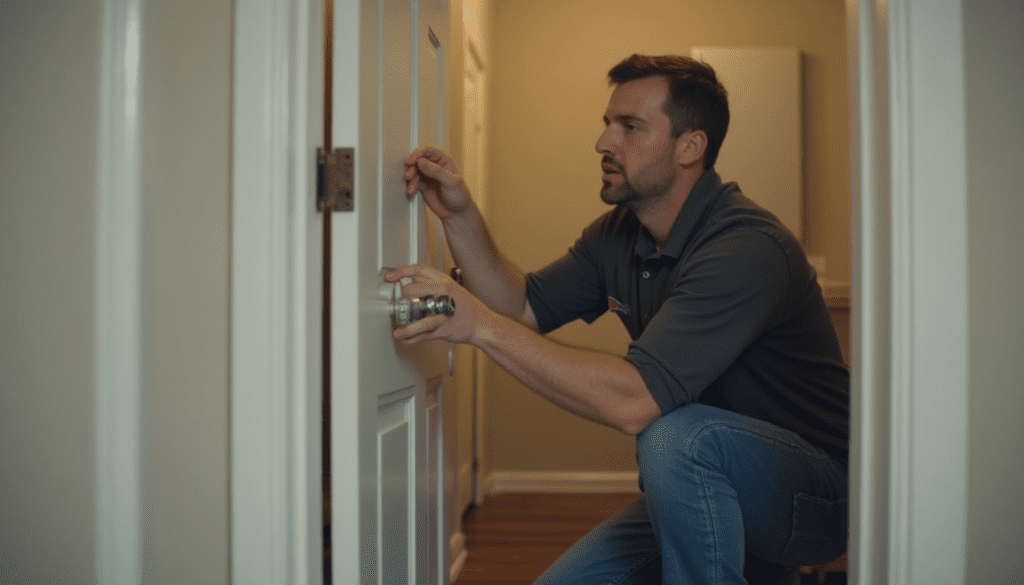
Security-related emergencies often involve broken exterior door locks, damaged windows, or other failures that leave the rental unit vulnerable to unauthorized entry. Tenant safety is a priority, and compromised security should be addressed as quickly as possible.
These situations are particularly urgent if the issue occurs after a break-in, attempted break-in, or vandalism. Prompt repairs help restore tenant peace of mind and reduce liability risks.
How Quickly Emergency Repairs Should Be Addressed
Response time is one of the most important factors when dealing with emergency repairs in Caldwell NJ rental properties. While exact timelines can vary depending on the severity of the issue and availability of qualified professionals, emergency repairs are generally expected to be handled immediately or within a very short window. In practical terms, this often means same-day action or resolution within 24 hours.
Issues involving heat loss, water leaks, gas concerns, or electrical hazards should trigger an immediate response. Even if the full repair cannot be completed right away, temporary measures should be taken to stabilize the situation and reduce risk. For example, shutting off a water line, providing space heaters, or securing a compromised entry point can prevent further damage while permanent repairs are scheduled.
Delays in emergency repairs can compound problems quickly. What starts as a manageable issue can escalate into extensive property damage, tenant displacement, or safety incidents. This is why many professional property managers in New Jersey maintain emergency vendor lists and after-hours protocols to ensure fast action when emergencies occur.
How to Report an Emergency Repair the Right Way
Clear and timely reporting is essential when an emergency repair arises. Tenants should report emergencies as soon as they are discovered, using the fastest available communication method. This typically includes phone calls, emergency maintenance lines, or designated online portals rather than standard email or maintenance request forms.
When reporting an emergency repair, tenants should provide specific details about the issue. Describing what happened, when it started, and any visible damage helps landlords or property managers assess urgency and respond appropriately. Including photos or short videos, when safe to do so, can further clarify the situation and speed up the repair process.
For landlords, setting clear expectations about how emergencies should be reported is critical. Providing tenants with written instructions and emergency contact information reduces confusion and ensures that urgent issues are not delayed due to miscommunication.
Why Documentation Matters During Emergency Repairs
Proper documentation plays an important role in emergency repair situations for both tenants and landlords. Keeping accurate records helps establish timelines, confirms that issues were reported promptly, and demonstrates that reasonable steps were taken to address the problem.
Tenants should document emergency repairs by noting the date and time the issue was discovered, when it was reported, and how the landlord or property manager responded. Photos, videos, and written communication records can provide valuable clarity if questions arise later.
Landlords and property managers should also maintain detailed records of emergency repair responses. This includes work orders, invoices, vendor communications, and follow-up actions. Good documentation supports accountability, helps identify recurring issues, and contributes to better long-term property maintenance planning.
What Repairs Do Not Count as Emergencies
Not every maintenance issue qualifies as an emergency repair, even if it causes frustration or inconvenience. Understanding what does not count as an emergency helps ensure that true emergencies receive immediate attention while routine issues are handled efficiently.
Common non-emergency repairs include minor plumbing issues like slow drains, cosmetic damage such as chipped paint, appliance malfunctions that do not affect essential services, and general wear and tear. While these problems should still be addressed in a timely manner, they typically do not pose immediate risks to safety or habitability.
Another common misconception involves partial service disruptions. For example, a single non-working electrical outlet or a window that is difficult to open may require repair, but they usually do not rise to the level of an emergency unless they create a direct safety hazard.
After-Hours and Weekend Emergency Repair Protocols
Emergencies do not follow business hours, which is why after-hours and weekend protocols are essential for rental properties in Caldwell NJ. Landlords and property managers should have clear systems in place to handle urgent repairs outside of normal operating times.
These protocols often include emergency phone lines, on-call maintenance staff, or pre-approved vendors who can respond quickly. Tenants should be informed in advance about how to reach emergency support after hours and what types of issues warrant using those channels.
Well-structured emergency protocols reduce stress for tenants and help property owners maintain control during high-pressure situations. They also demonstrate professionalism and preparedness, which can significantly improve tenant satisfaction and long-term retention.
How Emergency Repairs Affect Habitability and Daily Living
Emergency repairs are closely tied to the overall habitability of a rental property. When essential systems fail or safety risks appear, daily living can become difficult or even impossible. In Caldwell NJ, rental units are expected to provide basic living conditions that allow tenants to safely occupy the space without immediate threats to their well-being.
Habitability issues often arise when emergency repairs are delayed. For example, prolonged water leaks can lead to mold growth, weakened structural components, and damaged electrical systems. Electrical hazards can make entire rooms unusable, while security failures may force tenants to avoid their homes altogether until repairs are made.
From a practical standpoint, emergency repairs are not just about fixing a broken component. They are about restoring normal living conditions as quickly as possible. Addressing emergencies promptly helps maintain tenant trust, prevents secondary damage, and keeps the property functioning as intended.
Emergency Repair Preparedness for Landlords
Preparation is one of the most effective ways landlords can manage emergency repairs efficiently. Rental property owners in Caldwell NJ benefit greatly from having systems in place before an emergency occurs. This includes maintaining updated contact lists for plumbers, electricians, HVAC technicians, and restoration professionals.
Routine inspections and preventive maintenance also reduce the likelihood of emergencies. Identifying aging pipes, outdated wiring, or failing heating systems early can prevent sudden breakdowns that require urgent intervention. While emergencies cannot always be avoided, preparation significantly reduces response time and overall disruption.
Clear communication is another key element of preparedness. Providing tenants with written emergency procedures, contact information, and examples of what qualifies as an emergency helps eliminate confusion during stressful situations. When tenants know exactly what to do, emergency repairs can be addressed more efficiently.
Common Emergency Repair Mistakes to Avoid
Even experienced landlords and tenants can make mistakes when dealing with emergency repairs. One common issue is misclassifying problems, either treating non-emergencies as urgent or underestimating serious issues. Both scenarios can lead to frustration, delays, or increased costs.
Another frequent mistake is poor communication. Waiting too long to report an emergency, providing vague descriptions, or using the wrong reporting channel can slow down response times. Emergencies require clarity and urgency, not guesswork.
Landlords may also run into problems if they rely on unqualified vendors or fail to authorize temporary fixes while waiting for permanent repairs. In emergency situations, stabilizing the issue quickly is often more important than completing a perfect repair immediately.
Why Clear Emergency Repair Policies Matter
Clear emergency repair policies benefit everyone involved in a rental relationship. For tenants, they provide peace of mind and guidance during stressful situations. For landlords, they establish boundaries, protect resources, and ensure that emergency services are used appropriately.
Well-defined policies outline what qualifies as an emergency, how emergencies should be reported, expected response times, and what steps will be taken to address urgent issues. These policies help reduce misunderstandings and ensure consistent handling of emergency repairs across all units.
In Caldwell NJ, many professional property management companies include emergency repair guidelines as part of their standard tenant documentation. This proactive approach leads to smoother operations and fewer conflicts over maintenance responsibilities.
Planning Ahead for Emergency Repairs in Rental Properties
Emergency repairs are an unavoidable part of rental property ownership, but their impact can be managed with proper planning. Establishing emergency funds, maintaining vendor relationships, and investing in regular maintenance all contribute to faster and more effective responses.
Tenants also play an important role in emergency preparedness. Reporting early warning signs, following emergency procedures, and cooperating during repairs help ensure that issues are resolved safely and efficiently.
For property owners who prefer a hands-off approach, working with a professional property management company can simplify emergency repair handling. Experienced managers coordinate repairs, communicate with tenants, and ensure that urgent issues are addressed without unnecessary delays.
If you manage rental property in Caldwell NJ and want dependable support handling emergency repairs, working with a professional property management team can make all the difference. Reliable systems, fast response times, and clear communication help protect both your investment and your tenants.
How Emergency Repairs Impact Long-Term Property Condition
Emergency repairs do more than solve immediate problems; they play a major role in the long-term condition of a rental property. When urgent issues are addressed quickly, they prevent minor damage from turning into extensive and costly repairs. In Caldwell NJ, where seasonal weather changes can stress building systems, fast responses are especially important.
For example, a small plumbing failure that is treated as an emergency can prevent widespread water damage, mold growth, and weakened structural materials. Electrical emergencies handled promptly reduce the risk of fire and protect both the building and its occupants. Over time, consistent emergency repair management helps preserve property value and extend the lifespan of major systems.
Ignoring or delaying emergency repairs often results in compounding damage. What could have been a straightforward fix may require full system replacements, lengthy repairs, or even temporary vacancy. This makes emergency repair responsiveness a key part of responsible property ownership.
The Role of Professional Property Management in Emergency Repairs
Handling emergency repairs can be overwhelming for individual landlords, particularly those managing multiple units or living outside the Caldwell NJ area. Professional property management companies offer structured systems designed to handle emergencies efficiently and consistently.
These systems often include 24/7 emergency reporting, established vendor relationships, and standardized response protocols. Property managers act as the central point of contact, coordinating repairs while keeping tenants informed throughout the process. This reduces stress for landlords and ensures emergencies are not missed or mishandled.
Another advantage of professional management is experience. Property managers encounter emergency situations regularly and know how to prioritize repairs, authorize temporary solutions, and document actions properly. This experience helps prevent common mistakes and improves outcomes during high-pressure situations.
Frequently Asked Questions About Emergency Repairs in Caldwell NJ
What qualifies as an emergency repair in a rental property?
An emergency repair typically involves any issue that poses an immediate risk to health, safety, or basic habitability. Common examples include loss of heat, major water leaks, electrical hazards, gas issues, and security failures such as broken exterior locks.
How fast should emergency repairs be handled?
Emergency repairs should be addressed as soon as possible, often within the same day or within 24 hours. Even if a permanent repair cannot be completed immediately, temporary measures should be taken to stabilize the situation and reduce risk.
Are appliance failures considered emergency repairs?
Appliance failures are generally not emergencies unless they affect essential services or create safety hazards. For example, a refrigerator malfunction is usually non-emergency, while a gas stove leaking gas would be considered an emergency.
What should tenants do if an emergency happens after hours?
Tenants should follow the emergency reporting procedures provided by their landlord or property manager. This often includes calling an emergency maintenance number or designated contact rather than submitting a standard maintenance request.
Can emergency repairs be prevented?
While not all emergencies can be prevented, regular maintenance, inspections, and early reporting of issues can significantly reduce the likelihood of sudden failures. Preparation and proactive care play a major role in minimizing emergency situations.
Moving Forward With Clear Expectations Around Emergency Repairs
Identifying what counts as emergency repairs in Caldwell NJ is essential for maintaining safe, functional, and well-managed rental properties. Clear definitions, fast response times, and open communication help ensure that emergencies are handled efficiently and with minimal disruption.
For landlords, having structured emergency repair plans protects both the property and the people living in it. For tenants, understanding what qualifies as an emergency encourages responsible reporting and quicker resolutions. When both sides share the same expectations, emergency repairs become less stressful and far more effective.
If managing emergency repairs feels overwhelming or time-consuming, professional property management support can provide reliable systems and peace of mind. With the right preparation and resources in place, even the most urgent situations can be handled smoothly and professionally.