

Emergency repairs in rental properties are one of the most stressful situations for both tenants and landlords, especially in densely populated areas like Passaic, New Jersey. When something suddenly goes wrong—water pouring through a ceiling, electrical systems failing, or strong gas odors filling a unit—decisions need to be made quickly. These situations often raise concerns about privacy, communication, and expectations when a landlord or property manager needs to enter a rental unit without prior permission.
For renters in Passaic NJ, understanding how emergency repair situations typically unfold helps reduce confusion and frustration. For property owners and managers, having a clear process in place can prevent misunderstandings and maintain trust with tenants. Emergency landlord entry in NJ rentals is not about convenience—it’s about protecting people, property, and neighboring units from escalating damage.
This guide focuses on practical expectations surrounding emergency repairs and rental entry in Passaic NJ. Instead of diving into technical definitions or legal jargon, it walks through real-world scenarios tenants and landlords experience, how communication usually happens, and what both sides should expect during urgent maintenance situations. If you manage or live in a rental property, knowing these details can make a stressful moment far easier to handle.
What Counts as an Emergency Repair
An emergency repair in a rental property is generally any situation that poses an immediate risk to safety, health, or the structure of the building. In Passaic NJ rentals, these issues tend to require immediate attention because delaying action could cause widespread damage or put occupants at risk. Emergency repairs are different from routine maintenance because they cannot wait for standard scheduling or extended back-and-forth communication.
Many tenants assume emergency repairs are rare, but in multi-unit buildings, emergencies occur more often than expected. Plumbing failures, heating issues during winter, or electrical malfunctions can affect multiple units at once. When these problems arise, landlords may need emergency access to the rental unit to stop further damage—even if the tenant is not home.
From a property management perspective, emergency rental repairs in NJ are treated as time-sensitive incidents. The focus is on resolving the issue as quickly as possible to prevent secondary problems like mold growth, structural weakening, or service outages affecting other residents. Understanding what qualifies as an emergency helps tenants recognize why urgent entry may be necessary.
It’s also important for renters to know that not every inconvenience qualifies as an emergency. A slow drain or minor appliance issue might be frustrating, but emergencies typically involve conditions that worsen rapidly if ignored. Clear communication between tenants and landlords is key to identifying when a situation truly requires immediate action.
Common Emergency Situations in Rental Properties
Emergency repairs in Passaic NJ rental properties usually fall into a few common categories. These issues demand fast response because they can quickly escalate and affect not only one unit but an entire building. Understanding these scenarios helps tenants know what to expect when emergency landlord entry becomes necessary.
Burst Pipe or Flooding
A burst pipe is one of the most common emergency repair situations in rental housing. Water damage spreads rapidly, seeping into walls, ceilings, and neighboring apartments. In multi-family buildings, a single pipe failure can impact several units within minutes. Emergency access allows maintenance teams to shut off water, locate the source, and minimize damage.
Flooding from appliances, bathrooms, or weather-related leaks also falls into this category. When water is actively flowing or pooling, waiting for permission could result in costly repairs and unsafe living conditions. In Passaic NJ rentals, property managers often prioritize these calls because the longer water runs, the worse the damage becomes.
Gas Leak or Electrical Hazard
Gas leaks and electrical issues are serious emergencies due to the immediate safety risks involved. Strong gas odors, sparking outlets, or power failures affecting critical systems require swift action. In these situations, emergency landlord entry in NJ rentals is focused on preventing fires, explosions, or injury.
Electrical hazards can include exposed wiring, burning smells, or complete power loss during extreme weather. These conditions may compromise essential services like heating or refrigeration, making quick access necessary to restore safe living conditions.
Fire and Immediate Safety Threats
Fire-related emergencies go beyond visible flames. Smoke damage, triggered alarms, or compromised fire suppression systems require urgent inspection and repair. Even after a small incident, property managers may need access to units to ensure there are no lingering hazards that could reignite.
Immediate safety threats can also include structural concerns, such as ceiling collapses or damaged stairwells. These emergencies demand rapid response to protect residents and prevent further deterioration of the property.
How Landlords Should Communicate About Emergency Visits
Clear communication is one of the most important aspects of handling emergency repairs in Passaic NJ rentals. While emergencies require speed, tenants still expect transparency and respect. Effective communication helps reduce anxiety and prevents misunderstandings about why entry is necessary.
Property managers often rely on multiple communication methods to reach tenants quickly. Phone calls, text messages, and emails are commonly used to alert residents about emergency repair access. Even if immediate entry is required, notifying the tenant as soon as possible shows professionalism and consideration.
When explaining an emergency visit, landlords typically share basic details: the nature of the issue, why immediate access is needed, and what steps will be taken. This helps tenants understand the urgency and reassures them that entry is not arbitrary. In Passaic NJ, where many renters live in close quarters, this clarity is especially important.
Good communication doesn’t stop once access is gained. Follow-up messages explaining what was repaired and whether additional work is needed can go a long way in maintaining trust. Tenants appreciate knowing what happened in their absence and what to expect next.
Phone, Text, Email Best Practices
Using more than one communication channel increases the chances of reaching a tenant during an emergency. A quick phone call followed by a text message or email creates a clear record of outreach. This approach is especially helpful when tenants are at work or asleep during off-hours.
Messages should be concise and focused on the emergency. Including unnecessary details can cause confusion or delay action. Clear subject lines and direct language help tenants quickly grasp the situation.
What Tenants Should Expect in a Notice
Even in emergencies, tenants usually receive some form of notice explaining the situation. This may include the reason for entry, the estimated time maintenance will be on-site, and whether follow-up repairs are anticipated. In Passaic NJ rentals, consistent communication practices help tenants feel informed rather than caught off guard.
What Tenants Should Do When Landlord Arrives
When a landlord or repair team arrives for an emergency repair, tenants often feel uncertain about how to respond. The most important step is to stay calm and focus on safety. Emergency repairs are meant to resolve immediate risks, and cooperation helps speed up the process.
If the tenant is present, providing clear access to the affected area can help maintenance teams work efficiently. Removing personal items from the work zone and keeping pets secured ensures repairs can be completed without additional complications.
Tenants may also want to document the situation for their own records. Taking photos of the issue before and after repairs can be useful, especially if follow-up work is required. Asking brief questions about what was fixed and whether further action is needed helps set expectations going forward.
For tenants who are not home during emergency entry, reviewing follow-up communication from the landlord is important. This ensures they understand what occurred and whether additional visits are planned. Open communication after the fact helps maintain a positive landlord-tenant relationship even during stressful situations.
Always remember that emergency repairs are about preventing harm and protecting the property. While unexpected entry can feel invasive, understanding the purpose behind it helps tenants navigate these situations with greater confidence.
How Repair Teams or Contractors Gain Access
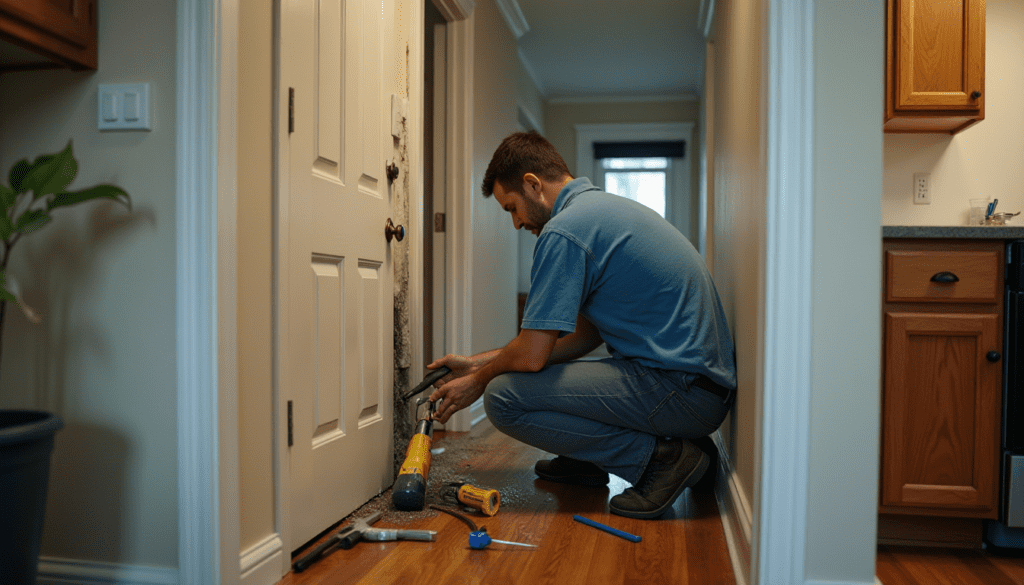
In emergency repair situations across Passaic NJ rental properties, access to the unit is often coordinated quickly with maintenance staff, third-party contractors, or emergency service providers. Once an urgent issue is identified, landlords typically dispatch the nearest available professional to reduce damage and restore safety. These teams are usually briefed in advance about the specific issue so they can act efficiently upon entry.
Repair teams generally enter only the areas necessary to address the emergency. For example, a plumbing contractor responding to a burst pipe will focus on bathrooms, kitchens, or utility spaces rather than unrelated rooms. This limited scope helps respect tenant privacy while ensuring the emergency is resolved. In larger buildings, access may also involve shutting off water or power to shared systems before entering the affected unit.
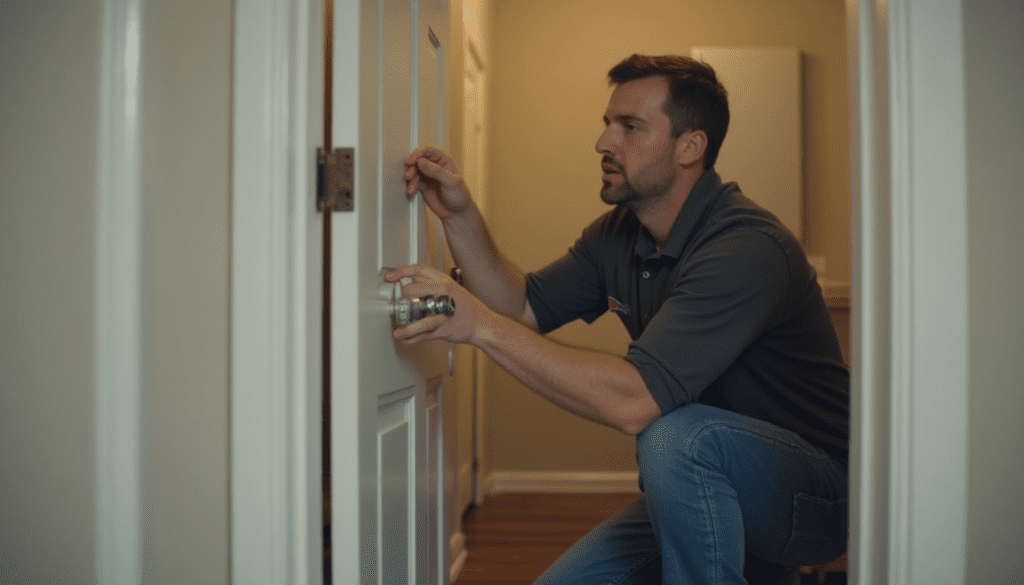
In many Passaic NJ rentals, property managers keep master keys or secure access codes specifically for emergencies. This allows repair teams to enter quickly if the tenant cannot be reached. While tenants may feel uneasy about this, it is a standard practice designed to prevent delays that could worsen damage or endanger residents.
What Happens if the Tenant Isn’t Home
Emergency repairs often occur at inconvenient times, and tenants are not always home when issues arise. In these situations, landlords or property managers proceed with emergency access to address the problem as quickly as possible. The primary goal is to stop ongoing damage and restore essential services, not to inspect or disturb personal belongings.
When tenants are absent, repair teams typically document their work carefully. This may include taking photos of the damaged area, noting what repairs were completed, and recording the time spent inside the unit. This documentation helps provide transparency and reassurance to tenants once they are notified.
After emergency entry, tenants in Passaic NJ rentals usually receive a follow-up message explaining what happened. This communication often includes details about the repair, whether additional work is needed, and if another visit will be scheduled. Clear post-entry updates help maintain trust and prevent confusion.
Tenants returning home after an emergency repair should review the area where work was performed and report any concerns promptly. Open dialogue ensures that lingering issues are addressed quickly and that both parties remain aligned.
Tips for Coordinating with Tenants After Emergencies
Once an emergency repair is completed, coordination does not end there. Follow-up communication plays a crucial role in restoring normalcy and ensuring tenant satisfaction. In Passaic NJ rentals, effective post-emergency coordination often distinguishes well-managed properties from poorly managed ones.
Landlords and property managers should provide tenants with a clear summary of what occurred. This includes what caused the emergency, how it was resolved, and whether preventative measures are being taken. Tenants appreciate transparency, especially when they were not present during the repair.
Scheduling any necessary follow-up work should be done with tenant availability in mind whenever possible. While emergencies require immediate access, subsequent non-urgent repairs benefit from standard scheduling practices. This balance shows respect for tenant routines while maintaining the property.
Scheduling Follow-Up Non-Emergency Repairs
Emergency repairs often reveal secondary issues that are not immediately dangerous but still require attention. For example, stopping a leak may expose water-damaged drywall or flooring that needs replacement. These follow-up repairs are typically scheduled after the immediate risk is resolved.
In Passaic NJ rental properties, separating emergency work from non-emergency maintenance helps set clear expectations. Tenants should be informed about what was fixed right away and what will be addressed later. This clarity reduces frustration and prevents assumptions that repairs were left unfinished.
Coordinating schedules for follow-up work also allows tenants to prepare their space. Moving furniture, securing pets, or planning to be present during repairs becomes easier when timelines are communicated clearly.
Tools to Track Repairs and Entry Logs
Many property managers use digital tools to track emergency repairs and rental entry activity. These systems help document when an issue was reported, who entered the unit, and what actions were taken. For tenants, this recordkeeping provides peace of mind and accountability.
Repair logs are especially useful in multi-unit buildings common in Passaic NJ. They help identify recurring issues, track maintenance patterns, and improve response times for future emergencies. Over time, this data can reduce the frequency of urgent repairs by highlighting areas that need proactive attention.
Tenants may request summaries of repair activity, particularly after emergency entry. Providing this information reinforces transparency and strengthens the landlord-tenant relationship.
How to Prevent Misunderstandings About Entry
Misunderstandings around emergency entry often stem from unclear expectations. Proactive communication before emergencies occur can help prevent tension later. Many Passaic NJ property managers include emergency repair procedures in welcome packets or tenant portals.
When tenants know how emergencies are handled, who to contact, and what to expect, they are less likely to feel surprised or uncomfortable. Clear guidelines help normalize emergency access as a protective measure rather than an intrusion.
Regular reminders about maintenance reporting procedures also help tenants recognize early warning signs before issues escalate into emergencies. This shared responsibility benefits everyone involved.
Best Practices for Property Managers in Emergencies
Property managers handling emergency repairs in Passaic NJ rentals benefit from having a clear action plan. This includes maintaining updated contact lists, working with reliable contractors, and documenting every step of the process.
Consistency is key. Applying the same communication and entry practices across all units helps avoid claims of unfair treatment. Tenants value predictability, especially during stressful situations.
Training staff to handle emergencies calmly and professionally further improves outcomes. When tenants feel respected and informed, even difficult situations can be resolved smoothly.
Common Misconceptions About Emergency Entry
One common misconception is that emergency entry happens frequently or without cause. In reality, emergency access is typically reserved for serious situations that cannot wait. Another misunderstanding is that landlords use emergencies as an excuse for inspections, which is generally not the case in well-managed properties.
Clarifying these misconceptions helps tenants better understand the purpose of emergency repairs and why quick access is sometimes necessary. Education and transparency reduce unnecessary conflict.
How to Communicate Repair Timelines Clearly
Clear timelines help tenants plan and reduce anxiety after an emergency. Even if exact dates are not available, providing estimated windows for follow-up work helps set expectations.
In Passaic NJ rentals, communication tools like email updates or tenant portals make it easier to share timelines and changes. Keeping tenants informed builds confidence in property management.
Steps After Emergency Work Is Completed
After emergency repairs are finished, both landlords and tenants benefit from reviewing the outcome. Checking for remaining issues, ensuring cleanup is complete, and confirming systems are functioning properly helps close the loop.
Tenants should report any lingering concerns promptly so they can be addressed before becoming new emergencies. This collaborative approach keeps rental properties safe and well-maintained.
Tenant Expectations vs. Landlord Responsibilities
Balancing tenant expectations with landlord responsibilities is essential during emergency repairs. Tenants expect safety, communication, and respect for their space, while landlords are responsible for protecting the property and its occupants.
When both sides understand these roles, emergency situations become more manageable and less stressful.
Passaic NJ Rental Community Resources
Local rental communities often share resources and best practices for handling emergencies. Staying informed about community standards helps both tenants and landlords navigate urgent situations more effectively.
Frequently Asked Questions About Emergency Rental Repairs
Many renters ask what qualifies as an emergency, how quickly repairs should happen, and what communication to expect. Addressing these common questions upfront helps clarify expectations and reduce confusion during real emergencies.
If you manage or live in a rental property in Passaic NJ, having a clear emergency repair process in place can make all the difference when urgent issues arise. A proactive approach protects everyone involved and keeps rental communities running smoothly.
Questions around emergency landlord entry in NJ rentals often come up after a stressful situation has already happened. Tenants commonly wonder whether the issue truly required immediate access, how they would be notified next time, and what steps they can take to feel more prepared. Addressing these concerns openly helps normalize emergency procedures and reduces fear around unexpected maintenance visits.
One frequent question is how quickly emergency repairs should be addressed. In most Passaic NJ rental situations, response time depends on the severity of the issue and how many units are affected. Problems involving water, gas, fire risk, or electrical failure are typically prioritized because delays can multiply damage. Tenants can help by reporting warning signs early, before a situation escalates into a full emergency.
Another common concern involves communication after emergency entry. Tenants often want confirmation of what work was completed and whether their unit is safe to occupy. Clear follow-up messages, photos when appropriate, and written summaries help close the loop and build confidence. This level of transparency is considered a best practice across well-managed rental properties.
For landlords and property managers looking to improve emergency response procedures, reviewing established guidance on emergency rental entry can be helpful. Reputable tenant education resources such as tenant-rights.com’s NJ landlord entry overview and their discussion on tenant privacy expectations provide useful context on how emergency access is commonly handled.
Within your own property management content, it also helps to connect this topic with related maintenance and communication guidance. For example, linking to internal articles about handling maintenance requests, effective tenant communication, or property management services in Passaic NJ helps readers understand how emergency repairs fit into the bigger picture of rental operations.
Emergency repairs will never be completely stress-free, but preparation makes a major difference. Tenants who know what situations require urgent action and landlords who communicate clearly tend to experience fewer conflicts when emergencies occur. Establishing expectations ahead of time allows everyone to focus on safety rather than confusion.
If you manage rental properties in Passaic NJ, reviewing your emergency repair process now can save time, money, and frustration later. Clear communication systems, reliable contractors, and consistent documentation create smoother outcomes when urgent situations arise. Small improvements today can prevent major headaches during the next emergency.