

Living in a rental property comes with shared responsibilities, especially when something goes wrong unexpectedly. In East Orange, NJ, emergency rental repairs can sometimes require immediate action, even when a tenant is not home. This is where many renters start asking questions about a landlord entering a rental without permission for emergency repairs. The uncertainty can be stressful, confusing, and disruptive, particularly if communication is unclear or the situation escalates quickly.
This guide is designed to walk renters through real-world scenarios involving emergency rental entry in East Orange NJ, focusing on practical expectations, preparation, and smart responses. Rather than diving into technical jargon, the goal here is to help tenants understand how emergency repairs typically unfold, what usually triggers urgent access, and how renters can protect their peace of mind when the unexpected happens.
Emergency situations don’t wait for perfect timing. A burst pipe, electrical failure, or serious water leak can affect not just one unit, but an entire building. Knowing how emergency repair entry works in NJ rentals helps tenants feel more confident and prepared when fast decisions are made.
Introduction: Why This Topic Matters to NJ Renters
For many renters in East Orange, privacy and security are top priorities. Your rental unit is your home, and unexpected entry can feel invasive even when the intent is to prevent damage or restore safety. Emergency rental access situations often happen quickly, leaving little time for explanation, which is why misunderstandings are common.
Search trends show that phrases like “landlord entering rental without permission” and “emergency rental repairs NJ” are frequently looked up by tenants trying to understand what just happened in their own apartment. This tells us that renters aren’t just curious — they’re often reacting to a real situation.
Emergency repair entry is different from routine maintenance. There’s urgency, risk of property damage, and sometimes safety concerns for neighbors. Tenants who understand how these situations typically unfold are better equipped to respond calmly, communicate clearly, and document events properly afterward.
In East Orange NJ, where many rental properties are multi-unit buildings, one emergency can quickly impact multiple households. That’s why understanding emergency rental entry practices is not just helpful — it’s essential for renters who want to stay informed and prepared.
What Emergency Repairs Look Like for Rental Properties
Emergency repairs in rental properties usually involve issues that cannot wait without causing serious damage or safety risks. These situations often require immediate access to the rental unit, even if the tenant is unavailable. Emergency rental repairs NJ searches commonly relate to water, electrical, and structural concerns that escalate quickly.
Unlike scheduled maintenance, emergency repairs are reactive. They happen when something breaks suddenly or poses an immediate threat. In these moments, landlords and property managers focus on stopping damage first, then addressing communication and follow-up afterward.
For tenants, this can feel abrupt. One day everything is normal, and the next day there’s a maintenance crew responding to an urgent issue. Understanding what typically qualifies as an emergency helps renters recognize when fast action is necessary and expected.
Common Types of Emergencies in Rental Units
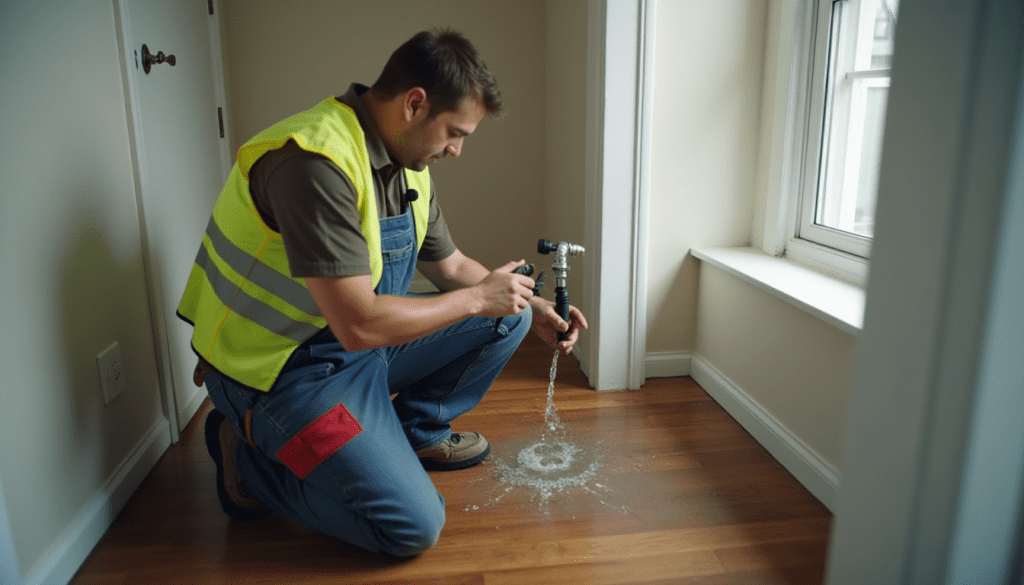
Some of the most common emergency repair situations in East Orange rental properties involve water leaks, flooding, heating failures during cold months, electrical hazards, and gas-related concerns. A burst pipe or overflowing toilet can cause damage not only to one apartment but also to units below.
Electrical emergencies, such as sparking outlets or power outages tied to wiring issues, often require immediate attention to prevent fires. Heating system failures during winter months can also escalate quickly, especially in older buildings where systems are shared.
In many of these scenarios, waiting for permission or delayed access could worsen the damage. This is why emergency rental access is treated differently from standard repair requests.
When a Landlord Might Enter Without Permission
Emergency rental entry typically happens when immediate access is needed to prevent further damage or address a serious issue. Tenants often search for “entering a rental without permission for emergency repairs East Orange NJ” after discovering someone entered their unit while they were away.
These situations are usually not planned in advance. A neighbor may report water leaking through their ceiling, or a maintenance team might detect a problem that requires urgent access. In these moments, speed matters more than scheduling.
Understanding this context helps tenants separate emergency access from routine entry. Emergency situations are reactive and time-sensitive, while routine maintenance is usually scheduled with notice.
How Emergency Entry Differs From Routine Access
Routine access usually involves advance communication and coordination. Emergency entry, on the other hand, is driven by urgency. There may be attempts to contact the tenant, but repairs may proceed even if the tenant cannot be reached.
This difference is important for renters to understand. Emergency rental access practices prioritize minimizing damage and restoring essential services. Communication often follows after the situation is stabilized.
For tenants, recognizing this distinction can reduce frustration and help guide appropriate next steps, such as requesting documentation or clarification after the emergency repair is completed.
Typical Emergency Repair Scenarios in Rentals
Emergency repair scenarios in East Orange rentals often follow similar patterns. A problem is detected, access is gained quickly, repairs are made, and communication happens afterward. Knowing these patterns helps tenants understand what to expect when emergency rental entry occurs.
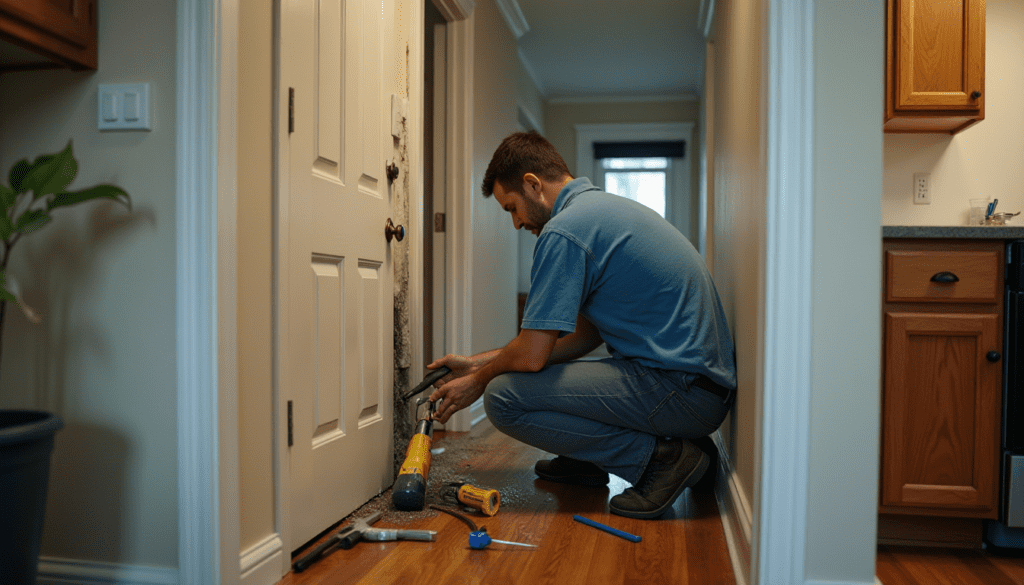
For example, a water leak reported by another tenant may require immediate access to the source unit. In some cases, maintenance teams may need to shut off water or power temporarily to prevent further damage.
These situations can feel disruptive, but they are usually handled with the goal of protecting the building and minimizing long-term inconvenience for tenants.
Recognizing a Genuine Emergency Entry Situation
A genuine emergency entry is typically accompanied by visible signs of urgency, such as maintenance crews responding quickly, evidence of repairs being made, or follow-up communication explaining the issue. Tenants may notice repairs completed or temporary fixes put in place.
If you return home to find signs of emergency repairs, it’s reasonable to ask for details and documentation. Clear communication afterward helps rebuild trust and ensures everyone understands what happened.
For renters who want to stay proactive, learning how to report maintenance issues promptly can help prevent emergencies before they escalate. You can find helpful guidance on reporting maintenance concerns here: how to report maintenance issues.
Understanding emergency rental repairs NJ practices allows tenants to stay informed, prepared, and confident when unexpected situations arise. If you’re looking for more tips on tenant responsibilities and communication, this resource may help: tenant responsibilities in rental properties.
If managing emergency maintenance communication feels overwhelming, working with an experienced property management team can make a significant difference in how smoothly these situations are handled for everyone involved.
How Landlords Communicate Emergency Entries
Communication during emergency rental entry in East Orange NJ often looks very different from normal maintenance coordination. Because emergencies develop quickly, landlords or property managers may not always have the opportunity to provide advance notice before entering a unit. However, communication usually follows shortly after the issue is stabilized.
Tenants commonly report learning about emergency entry through a phone call, text message, voicemail, or written notice left inside the unit. In many cases, the explanation comes after repairs begin or once the immediate risk has been addressed. While this can feel unsettling, it is a common pattern in emergency rental repairs NJ scenarios.
Clear post-entry communication helps tenants understand what happened, why entry was necessary, and what repairs were completed. When communication is delayed or unclear, confusion and frustration tend to increase, which is why renters often search for information after the fact.
After-Entry Notifications and Follow-Up Practices
After an emergency entry, tenants may receive documentation outlining the nature of the emergency, the repairs performed, and whether additional work is needed. This follow-up is an important part of the process because it provides clarity and transparency.
Some property managers also include photos, repair summaries, or contractor notes. These details help tenants feel informed and reassured that entry was related to a legitimate emergency repair situation.
If follow-up communication is missing, tenants can request clarification. Keeping a written record of all communication is a smart habit, especially in situations involving emergency rental access.
What Tenants Should Do After Unexpected Entry
Discovering that someone entered your rental unit unexpectedly can be stressful, even if the reason was an emergency. The first step is to stay calm and assess the situation. Look for visible signs of repair, notes left behind, or changes made to address the emergency.
Tenants in East Orange often search for guidance after these situations because they are unsure how to respond. Taking a measured, organized approach helps protect your interests while maintaining productive communication.
Documenting what you observe is important. Take photos if repairs were made, note the date and time you discovered the entry, and save any messages or notices provided. This information can be helpful if questions arise later.
Documentation and Communication Steps
After an emergency entry, tenants should consider sending a polite follow-up message acknowledging the repair and asking for confirmation of what was done. This keeps communication open and creates a written record.
Being proactive does not mean being confrontational. A simple request for clarification often resolves lingering concerns and helps prevent misunderstandings in the future.
For renters looking to strengthen communication habits, this guide on lease awareness can provide useful context: what to know before signing a lease.
Preparing Ahead for Emergency Access Situations
One of the best ways to reduce stress around emergency rental entry is preparation. While emergencies are unpredictable, tenants can take steps to ensure they are ready if urgent repairs are needed.
Keeping contact information up to date with your landlord or property manager is critical. This increases the chances of being reached quickly when an emergency arises. It also helps ensure that post-entry communication reaches you without delay.
Understanding how to report maintenance issues early can prevent small problems from turning into emergencies. Prompt reporting allows repairs to be scheduled before urgent access becomes necessary.
Tips for Tenants to Be Ready
Tenants can prepare by knowing where emergency shut-off valves are located, keeping pathways clear for maintenance access, and securing pets if they are away from home. These small steps can make emergency repairs faster and safer for everyone involved.
Maintaining open communication with property management also helps build trust. When emergencies happen, established communication channels make the situation smoother and less stressful.
If you want additional insights into how professional management teams handle maintenance and emergencies, this resource offers helpful context: property management tips.
Tenant’s Role During Emergency Repairs
During emergency repairs, tenants play an important role in ensuring safety and cooperation. While the urgency of the situation may limit interaction, being responsive and understanding helps repairs move forward efficiently.
Tenants may be asked to temporarily vacate the unit, adjust schedules, or allow follow-up visits to complete repairs. These requests are typically aimed at restoring normal conditions as quickly as possible.
Recognizing the shared goal — resolving the emergency and preventing further damage — can help tenants navigate these situations with less stress and more confidence.
If you ever feel unsure about emergency rental access practices, reviewing official state resources can provide clarity. The New Jersey Department of Community Affairs offers helpful tenant guidance here: NJ Right of Entry Guide.
Staying informed, documenting events, and communicating clearly are the most effective ways for tenants to manage emergency rental entry situations in East Orange NJ. These practices help protect your living space while supporting timely and necessary repairs.
Common Mistakes Tenants Make After Emergency Entry
After an emergency rental entry, it’s easy for tenants to react emotionally or jump to conclusions before fully understanding what occurred. One of the most common mistakes is assuming the entry was unnecessary without reviewing the situation or the repairs that were completed. Emergency rental repairs NJ situations often look abrupt, but they are usually driven by immediate risks that aren’t always visible afterward.
Another frequent mistake is failing to document anything. Tenants who don’t take notes, save messages, or photograph completed repairs may find it difficult to recall details later. Documentation doesn’t have to be complicated, but having a simple record can be very helpful if questions come up.
Some renters also avoid communication entirely after an emergency entry, either out of frustration or uncertainty. This can actually increase stress over time. A brief, calm follow-up message often clears up confusion and helps prevent similar issues in the future.
How to Foster Better Communication With Your Landlord
Strong communication is one of the most effective tools tenants have when navigating emergency rental access. Establishing clear expectations early in the tenancy makes emergency situations easier to manage when they arise. This includes knowing who to contact, how emergencies are handled, and what kind of follow-up communication to expect.
When emergency entry happens, approaching the conversation with curiosity rather than accusation often leads to better outcomes. Asking for a summary of the emergency repair, what was fixed, and whether additional work is planned keeps the discussion focused and productive.
Tenants who consistently communicate in writing — whether by email or a tenant portal — tend to feel more secure because there is a clear record of interactions. This habit is especially useful in emergency repair situations where events unfold quickly.
For renters who want a broader understanding of tenant expectations and protections, the New Jersey tenant information statement is a helpful reference: New Jersey Tenant Information Overview.
Key Takeaways for East Orange Renters
Emergency rental entry in East Orange NJ is usually driven by urgent situations that require immediate attention to protect property and safety. While unexpected entry can feel unsettling, understanding how emergency repairs typically work helps tenants respond with confidence rather than confusion.
Recognizing what qualifies as an emergency, documenting what you observe, and communicating clearly afterward are the most effective ways to navigate these situations. Preparation, such as keeping contact information current and reporting maintenance issues early, can also reduce the likelihood of sudden emergency access.
Tenants who stay informed and proactive are better positioned to handle emergency rental repairs without unnecessary stress. If you ever need guidance on maintenance communication or want support managing rental responsibilities, working with a professional property management team can make emergency situations far easier to handle and resolve smoothly.
Staying prepared today helps ensure that when emergencies happen tomorrow, you’re ready to respond calmly, clearly, and confidently.