

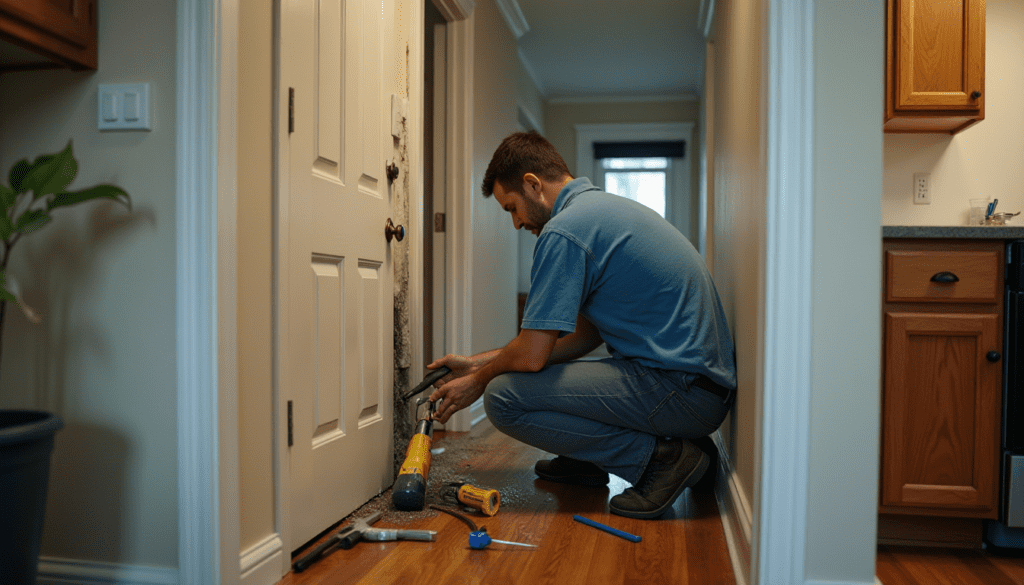
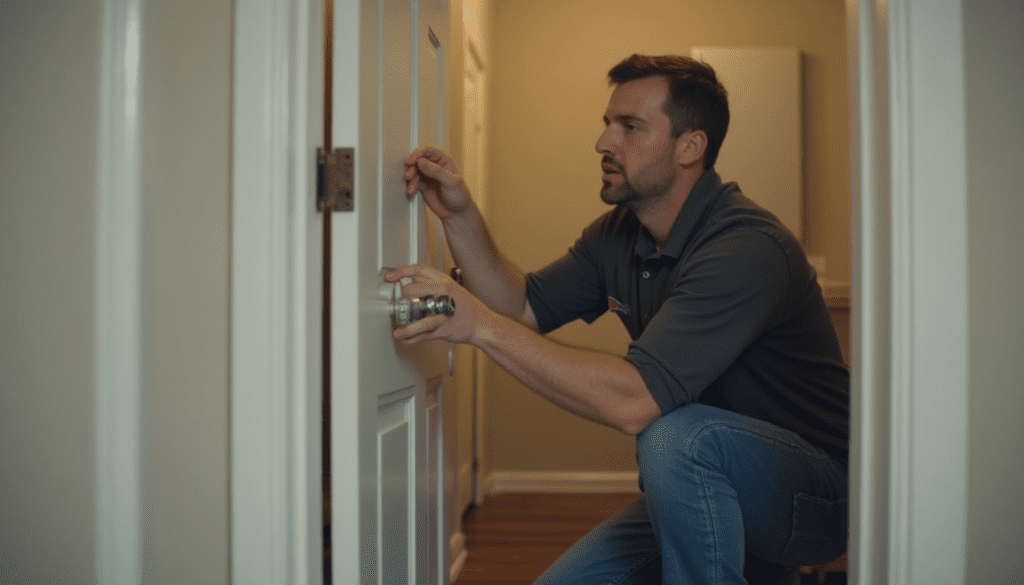
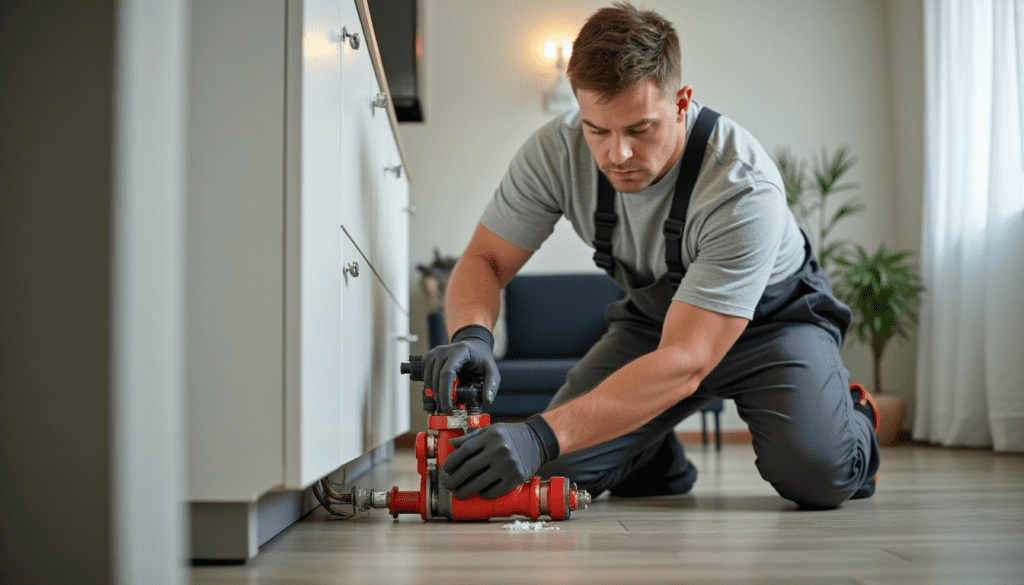
Living in a rental property comes with a shared responsibility between renters and property owners, especially when unexpected issues arise. In Verona, New Jersey, emergency repairs can sometimes require immediate action, even when a tenant is not home or cannot be reached right away. These situations often raise questions, concerns, and stress for renters who value privacy but also want their homes to remain safe and livable.
Emergency rental entry is one of those topics that renters usually don’t think about until something goes wrong. A burst pipe, a gas smell, or a sudden electrical failure can turn a normal day into a high-pressure situation. Understanding how emergency repairs are handled, what typically triggers urgent access, and what tenants should reasonably expect can help reduce confusion and prevent unnecessary conflict.
This guide focuses on real-world emergency repair scenarios in Verona NJ rentals, explaining how emergency access usually works, how communication is handled, and what renters can do to prepare ahead of time. The goal is not to overwhelm you with technical jargon, but to give you practical insight into how emergencies are managed in rental homes across New Jersey.
Understanding Emergency Entry in a Rental Setting
Emergency entry in a rental setting generally refers to situations where waiting could result in property damage, safety risks, or disruption to essential services. These moments are different from routine maintenance or scheduled repairs, which typically involve advance notice and coordination. Emergencies, by their nature, require quick decisions and immediate action.
In many Verona NJ rental properties, emergency repairs are handled by property managers or maintenance professionals who are trained to assess risk quickly. Their priority is usually to stop damage from spreading, restore essential systems, and protect both the residents and the building itself. Because of this urgency, the process may look very different from a normal repair visit.
From a renter’s perspective, emergency entry can feel sudden or invasive, especially if it happens while they are away. However, these situations are usually driven by necessity rather than convenience. Understanding what qualifies as an emergency and how these decisions are made helps renters feel more informed and less caught off guard when urgent repairs occur.
What Typically Makes a Situation an Emergency
Not every repair request is treated as an emergency. Emergency maintenance usually involves conditions that could worsen rapidly or pose immediate danger if left unaddressed. In Verona NJ rentals, common emergency triggers include major water leaks, strong gas odors, loss of heat during extreme cold, or electrical problems that could lead to fire hazards.
Another factor that often defines an emergency is how the issue affects other units or shared areas. For example, a plumbing failure in one apartment can quickly damage neighboring units, ceilings, or common spaces. In these cases, waiting for tenant approval or scheduling delays could significantly increase repair costs and safety risks.
Understanding these triggers helps renters recognize why emergency rental entry sometimes happens quickly and with minimal communication beforehand. It also sets realistic expectations for how property managers prioritize repairs during urgent situations.
Common Rental Emergencies That Require Immediate Attention
Emergency rental repairs often fall into a few recurring categories. While every property is different, Verona NJ rentals tend to experience similar types of urgent issues due to weather, aging infrastructure, or shared utility systems. Knowing these common scenarios can help renters identify problems early and respond appropriately.
Water-related emergencies are among the most frequent. Burst pipes, overflowing toilets, or leaking water heaters can cause serious damage in a short amount of time. Left unchecked, water can weaken floors, damage walls, and create conditions for mold growth. Because of this, maintenance teams usually act fast when water issues are reported.
Electrical emergencies are another major concern. Flickering lights, burning smells, or outlets that spark can indicate deeper wiring issues. These situations are often treated as urgent because of the risk they pose to both personal safety and the structure of the building. Quick access allows professionals to shut down power sources and prevent escalation.
Heating system failures during colder months are also commonly treated as emergencies in New Jersey. When indoor temperatures drop too low, pipes can freeze, and living conditions can become unsafe. In these cases, immediate access allows repairs to begin before secondary damage occurs.
Situations That Can Escalate Quickly
Some rental issues may seem minor at first but can escalate rapidly if ignored. A slow leak under a sink, for example, might not appear urgent initially, but over several hours it can soak cabinetry and flooring. Similarly, a faint gas odor may not feel alarming, yet it often signals a larger issue that requires immediate inspection.
Property managers in Verona NJ are trained to evaluate these warning signs and determine when emergency access is necessary. Their goal is to intervene early enough to prevent small problems from turning into major disruptions for tenants and neighbors alike.
What Happens When Repairs Can’t Wait
When an emergency repair is identified, the response process typically begins immediately. Maintenance teams may be dispatched right away, sometimes outside of normal business hours. In these cases, access to the rental unit becomes a critical part of resolving the issue quickly.
Emergency rental entry is usually focused solely on addressing the urgent problem. Technicians or property managers generally limit their presence to the affected areas and avoid unnecessary intrusion. Their objective is efficiency and safety, not inspection or routine maintenance.
After the immediate issue is stabilized, follow-up work may be scheduled if additional repairs are needed. Renters are often informed about what was done, what still needs attention, and whether future visits will be required. This transparency helps rebuild a sense of control after an unexpected situation.
For renters, understanding this process reduces anxiety. Knowing that emergency entry is typically limited, purpose-driven, and documented can make these situations feel more manageable, even when they happen without much notice.
Landlord and Tenant Roles During Emergency Repairs
Emergency situations in rental properties involve cooperation, even when communication is limited by time. In Verona NJ rentals, property managers or landlords usually take responsibility for coordinating emergency repairs, while tenants play an important role in reporting issues promptly and providing accurate information.
When renters notice signs of an emergency, early reporting can make a significant difference. Clear communication about what is happening, where it is occurring, and how severe it appears helps maintenance teams respond effectively. This cooperation often reduces the need for prolonged access or repeated visits.
Tenants also benefit from understanding what to expect during and after emergency repairs. While the situation may feel disruptive, these interventions are typically designed to restore safe living conditions as quickly as possible. Maintaining open communication afterward helps ensure that any remaining concerns are addressed.
By understanding how emergency rental entry works and why it happens, renters in Verona NJ can approach these situations with more confidence and less stress. Preparation, awareness, and communication go a long way in turning an unexpected emergency into a manageable experience.
Need help staying prepared? Having an emergency repair plan, knowing how to report issues quickly, and understanding how urgent maintenance is handled can make all the difference when something unexpected happens in your rental home.
Signs You Might Need a Landlord to Enter Quickly
Not every maintenance issue is obvious at first glance. In many Verona NJ rentals, emergency situations begin with subtle warning signs that renters may overlook or dismiss as minor inconveniences. Recognizing these early indicators can help prevent serious damage and reduce the need for more disruptive emergency repairs later on.
One common sign is unexplained water presence. Damp spots on walls or ceilings, bubbling paint, or a persistent musty smell can indicate hidden leaks behind walls or above ceilings. These issues often worsen quietly until significant damage occurs. Prompt reporting allows maintenance teams to assess whether immediate access is needed to stop further spread.
Another warning sign involves unusual sounds or smells. Hissing noises near gas appliances, buzzing electrical panels, or burning odors should never be ignored. These signals often suggest problems that require urgent inspection. In these cases, quick landlord entry can prevent safety risks and protect both tenants and neighboring units.
Temperature-related issues can also signal emergencies. Sudden loss of heat during colder months or overheating caused by malfunctioning systems can affect livability. If indoor conditions change rapidly and cannot be corrected easily, emergency maintenance access may be necessary to stabilize the situation.
How Property Managers Prepare for Emergency Access
In well-managed Verona NJ rental properties, emergency access is not handled casually or without preparation. Property managers often have established protocols designed to balance tenant privacy with the need for swift action. These systems help ensure that emergency repairs are handled efficiently and professionally.
Many property management companies maintain on-call maintenance teams or contracts with emergency service providers. This allows them to respond quickly when urgent issues arise, even during nights, weekends, or holidays. Having these resources in place reduces delays and minimizes the impact on tenants.
Documentation also plays a key role. Emergency entries are typically logged, noting the reason for entry, the time, and the work performed. This recordkeeping helps maintain transparency and provides reassurance to renters that access was limited to resolving the specific emergency.
Preparation may also include advance communication. While emergencies do not always allow for notice, property managers often attempt to contact tenants through phone calls, texts, or emails when possible. Even brief notifications help maintain trust and keep renters informed during stressful situations.
Communication During Emergency Repairs
Clear communication is one of the most important factors in managing emergency repairs smoothly. Even when time is limited, effective communication helps reduce misunderstandings and reassures tenants that their concerns are being taken seriously.
During an emergency, property managers usually focus on immediate updates rather than lengthy explanations. Tenants may receive short messages explaining the issue, the need for access, and the steps being taken to resolve it. While brief, these updates help renters feel informed rather than left in the dark.
After the emergency is addressed, follow-up communication becomes equally important. Renters often want to know what caused the issue, whether additional repairs are needed, and if future access will be required. Clear explanations help restore a sense of normalcy and allow tenants to plan accordingly.
For tenants, keeping contact information up to date and responding promptly when possible can improve communication during emergencies. Even a quick acknowledgment can help property managers coordinate repairs more efficiently and limit unnecessary entry.
Protecting Tenant Privacy While Handling Urgent Repairs
Privacy concerns are common when emergency rental entry occurs. Renters may worry about personal belongings, private spaces, or unexpected disruption. In Verona NJ rentals, emergency repairs are typically handled with sensitivity to these concerns.
Maintenance personnel are generally instructed to focus only on the areas affected by the emergency. They avoid unnecessary movement through the unit and limit their time inside as much as possible. This approach helps ensure that access is strictly related to resolving the urgent issue.
Tenants can also take proactive steps to protect their privacy. Keeping personal items organized, securing valuables, and clearly identifying problem areas can help maintenance teams work efficiently without unnecessary intrusion. Preparation does not prevent emergencies, but it can reduce stress when they occur.
Transparency after the fact is another way privacy is respected. Detailed explanations of what was done and why entry was required help renters feel more comfortable with the process and reduce lingering concerns.
Documenting Emergency Entry and Repairs
Documentation is an often-overlooked aspect of emergency rental repairs, but it plays a crucial role for both tenants and property managers. Clear records help ensure accountability and provide a reference point if questions arise later.
Property managers typically document the nature of the emergency, the time of entry, and the repairs performed. These records help demonstrate that access was necessary and limited to addressing the urgent issue. For tenants, this documentation can offer peace of mind and clarity.
Renters may also choose to keep their own records. Taking photos of the affected area before and after repairs, saving messages or emails related to the emergency, and noting dates and times can be helpful. This information creates a clear timeline and supports open communication.
Good documentation benefits everyone involved. It reduces misunderstandings, supports follow-up maintenance if needed, and reinforces trust between renters and property management during challenging situations.
Staying informed and prepared makes emergencies easier to handle. Knowing the warning signs, understanding how emergency access is managed, and keeping communication open can help renters navigate urgent repair situations with confidence and less disruption.
Tips for Tenants: What to Expect After Emergency Entry
Once an emergency repair has been completed, many renters in Verona NJ are left wondering what happens next. The immediate danger may be resolved, but follow-up steps are often necessary to fully restore the rental to its normal condition. Understanding what typically occurs after emergency entry helps tenants feel more in control and better prepared.
In most cases, emergency repairs focus on stopping damage or removing immediate risk. This means the initial fix may be temporary. For example, a pipe may be shut off or patched to prevent flooding, with a permanent repair scheduled later. Tenants are usually informed if additional visits will be required and what areas of the unit may be affected.
It is also common for property managers to check in after the emergency to confirm that conditions are stable. Renters may be asked to report lingering issues such as moisture, odors, or system irregularities. Prompt feedback helps ensure that no secondary problems develop after the initial repair.
Tenants should also expect some level of documentation or communication summarizing what was done. This can include emails, maintenance notes, or repair summaries. Keeping these records is a smart way to stay informed and prepared for any future maintenance needs.
Preparing Your Rental for Possible Emergency Repairs
While emergencies are unpredictable, renters can take practical steps to make emergency repairs less stressful when they do occur. Preparation does not prevent emergencies, but it can significantly reduce confusion and disruption if urgent access becomes necessary.
One simple step is keeping clear access to key areas such as under sinks, near water heaters, electrical panels, and heating systems. When these spaces are easily accessible, maintenance teams can work faster and avoid unnecessary movement through the unit.
Another helpful practice is understanding where shut-off valves and breakers are located. In some situations, tenants may be able to minimize damage by turning off water or power before help arrives. This quick action can reduce the severity of the emergency and limit repair time.
Maintaining up-to-date contact information with property management is also essential. Emergencies move quickly, and being reachable allows for smoother coordination and fewer surprises. Even short updates can make a meaningful difference during urgent situations.
Repair Scenarios: From Burst Pipes to Electrical Hazards
Emergency repairs in Verona NJ rentals often follow recognizable patterns. By understanding common scenarios, tenants can better recognize when a situation may require immediate attention and possible entry.
Burst pipes are among the most disruptive emergencies. They can occur due to freezing temperatures, aging plumbing, or sudden pressure changes. When a pipe bursts, water can spread rapidly, damaging floors, walls, and personal belongings. Immediate access allows maintenance teams to shut off water sources and begin mitigation.
Electrical hazards present another serious scenario. Exposed wiring, frequent breaker trips, or sparks near outlets can indicate underlying issues that require urgent professional assessment. In these cases, emergency access is often necessary to prevent fire risks and ensure the safety of the building.
Gas-related concerns are treated with the highest level of urgency. Strong odors, malfunctioning appliances, or alarms may signal potential danger. Quick inspection and repair help protect everyone in the property and prevent escalation.
Tools and Technology That Support Emergency Repairs
Modern property management relies heavily on tools and technology to handle emergencies efficiently. In many Verona NJ rentals, digital systems help streamline communication, documentation, and response times during urgent situations.
Maintenance request platforms allow tenants to report emergencies quickly, often with photos or descriptions that help teams assess severity before arriving. These systems reduce delays and ensure that the right professionals are dispatched with the necessary tools.
On the maintenance side, technology such as moisture sensors, smart thermostats, and leak detection systems can identify problems early. These tools help property managers intervene before issues escalate into full-scale emergencies requiring extensive access.
For tenants, familiarity with these systems can be beneficial. Knowing how to submit urgent requests, upload information, and track updates makes the emergency repair process more transparent and less stressful.
Checklist: What to Do in Your Rental During an Emergency
Having a clear action plan can make a significant difference during an emergency. Renters who know what steps to take are better equipped to protect their space and communicate effectively.
- Identify the issue and assess immediate risk.
- Report the problem promptly using the preferred contact method.
- Shut off water, gas, or power if safe to do so.
- Move personal items away from affected areas.
- Stay available for updates or questions.
This checklist is not about handling repairs yourself, but about minimizing damage and supporting a faster resolution. Prepared tenants often experience smoother emergency repair outcomes.
How to Avoid Misunderstandings With Your Property Manager
Misunderstandings often arise during emergencies because stress levels are high and communication is limited. Clear expectations and proactive habits can help prevent tension between renters and property managers.
Setting expectations early is key. Understanding how emergencies are handled, who to contact, and what response times look like creates a shared framework before problems occur. This knowledge reduces frustration when urgent access becomes necessary.
After an emergency, open dialogue helps resolve lingering concerns. Asking questions, requesting clarification, and sharing feedback respectfully can strengthen the working relationship and improve future responses.
Emergency repairs are never convenient, but they are a necessary part of maintaining safe and livable rental homes. With preparation, communication, and awareness, renters in Verona NJ can navigate these situations with confidence and clarity.
Being prepared today can save stress tomorrow. Staying informed about emergency repairs, knowing how to respond, and understanding what to expect helps protect your rental home and your peace of mind.
Frequently Asked Questions About Emergency Rental Repairs
Emergency repairs often raise practical questions for renters, especially when access happens quickly. Below are common concerns tenants in Verona NJ rentals often have when emergency situations arise.
What usually qualifies as an emergency repair in a rental?
Emergency repairs typically involve issues that threaten safety, health, or the integrity of the property. Examples include major water leaks, electrical hazards, loss of essential services, or conditions that could rapidly worsen if left unaddressed. These situations often require immediate attention to prevent further damage.
How soon should renters report a potential emergency?
As soon as a problem is noticed. Even if you are unsure whether an issue is truly an emergency, reporting it early allows property management to assess the situation. Early communication can prevent small problems from escalating into serious emergencies.
What if the tenant is not home during an emergency repair?
If a renter is unavailable and the situation is urgent, repairs may still proceed to prevent damage or safety risks. In these cases, access is generally limited to resolving the emergency, and tenants are informed afterward about what was done and why entry was necessary.
Should tenants follow up after emergency repairs?
Yes, follow-up is a good practice. Reporting any lingering issues such as dampness, unusual sounds, or system irregularities helps ensure the problem is fully resolved. Clear follow-up communication also helps document the repair process.
Why Emergency Preparedness Matters for Renters
Emergency rental repairs are not something most tenants plan for, yet they are a reality of shared living spaces. Being prepared does not mean expecting the worst, but rather understanding how urgent situations are typically handled and what role renters play in the process.
Prepared renters are often less stressed during emergencies because they know who to contact, what information to provide, and what to expect. This preparedness leads to faster resolutions and fewer misunderstandings with property management.
Simple habits such as recognizing warning signs, keeping emergency contact information accessible, and maintaining clear communication can make a significant difference when unexpected issues arise. These steps support both tenant comfort and property safety.
Staying Informed and Confident in Your Rental
Emergency repairs are an unavoidable part of renting, but they do not have to be overwhelming. Understanding how emergency access works, why quick entry may be necessary, and how communication is handled helps renters feel more confident and informed.
In Verona NJ rentals, emergency situations are typically approached with urgency, professionalism, and a focus on minimizing disruption. Knowing this allows tenants to view emergency entry as a protective measure rather than an inconvenience.
By staying aware, prepared, and engaged, renters can navigate emergency repair situations with greater ease. Knowledge empowers tenants to protect their homes, belongings, and peace of mind when it matters most.
Taking a proactive approach today can make emergencies easier tomorrow. Understanding emergency repairs, recognizing warning signs, and maintaining open communication helps ensure your rental remains safe, comfortable, and well cared for.
Moving Forward With Confidence as a Renter
Emergency repairs can feel unsettling, especially when they require fast decisions and unexpected access to your rental space. However, understanding how these situations are typically handled helps remove much of the uncertainty. When renters know what emergency access looks like, why it happens, and how communication usually flows, the experience becomes far less stressful.
In Verona NJ, emergency maintenance is generally focused on protecting the home, the people living in it, and the surrounding property. These repairs are meant to stabilize situations quickly, limit damage, and restore safe living conditions. While they may interrupt daily routines, they are a critical part of maintaining a healthy rental environment.
Staying informed, recognizing early warning signs, and keeping open lines of communication with property management all contribute to smoother outcomes. Preparation does not eliminate emergencies, but it does give renters confidence and clarity when unexpected situations arise.
Being proactive today helps protect your comfort tomorrow. Understanding emergency repairs, knowing how urgent access works, and staying prepared allows you to navigate rental living with greater peace of mind and fewer surprises.