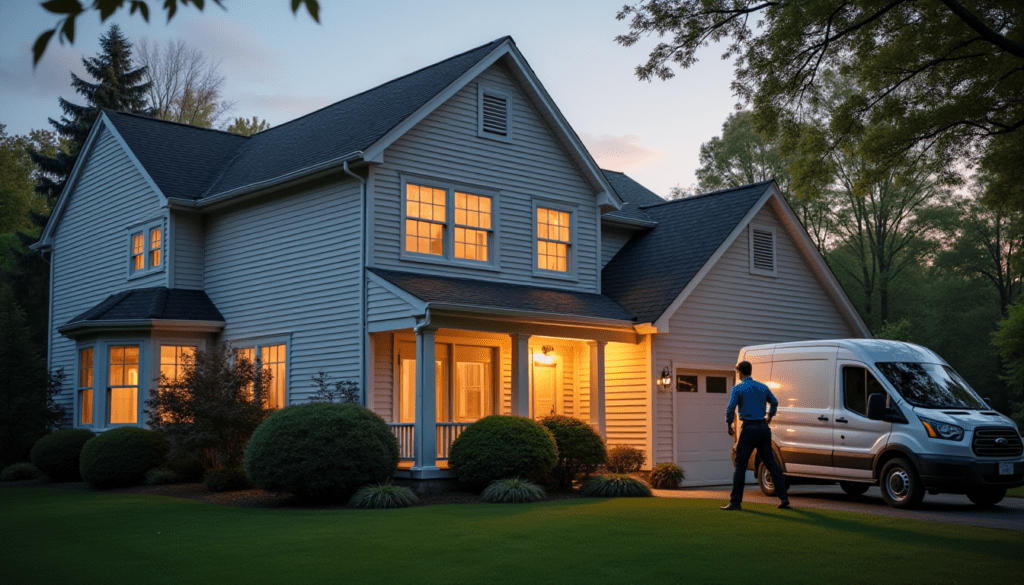
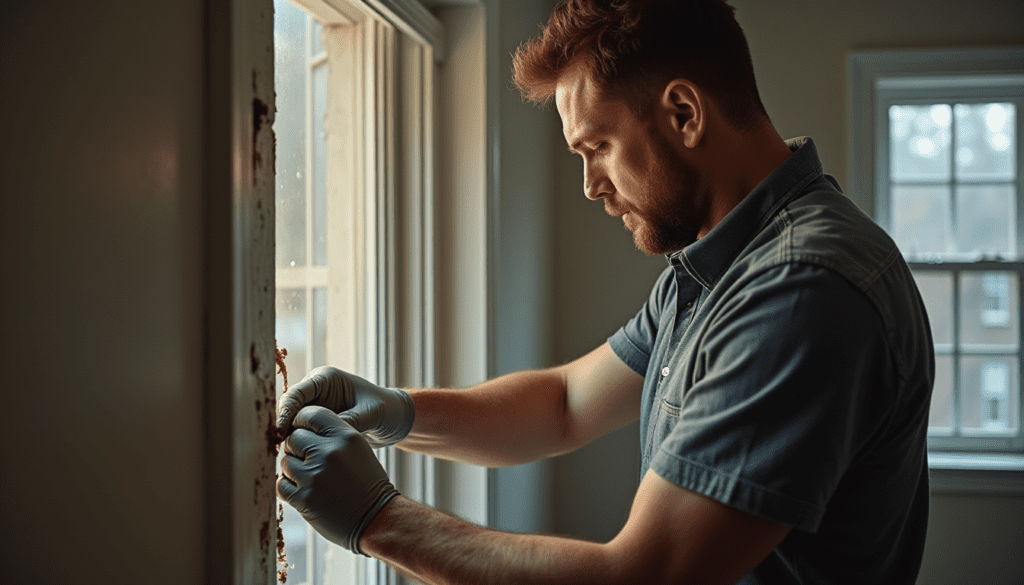
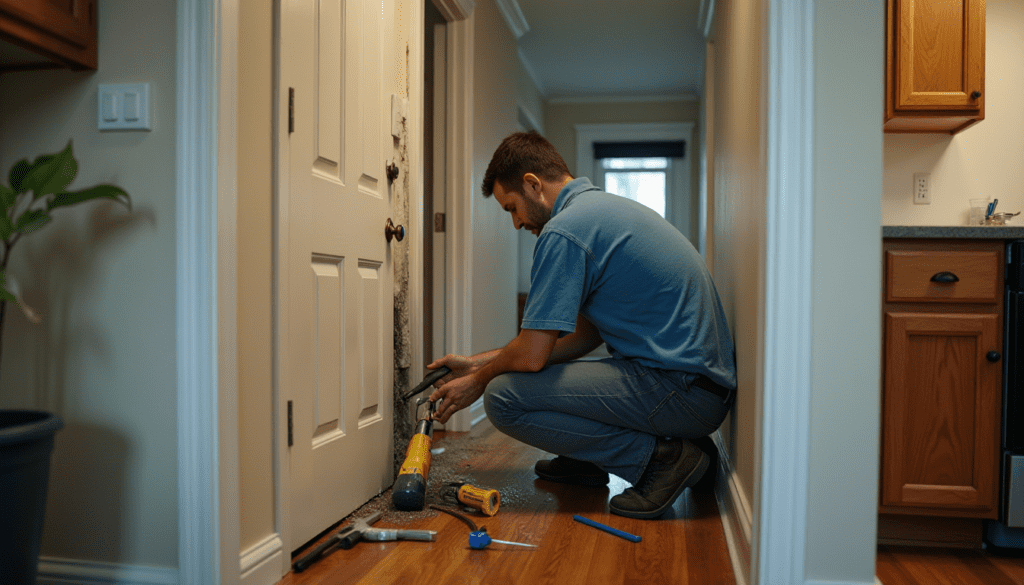
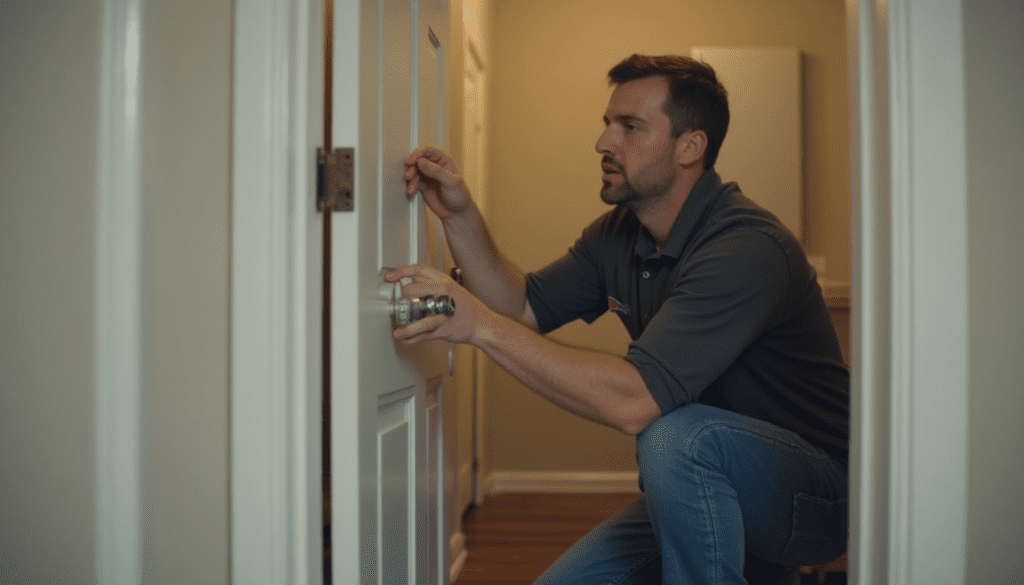
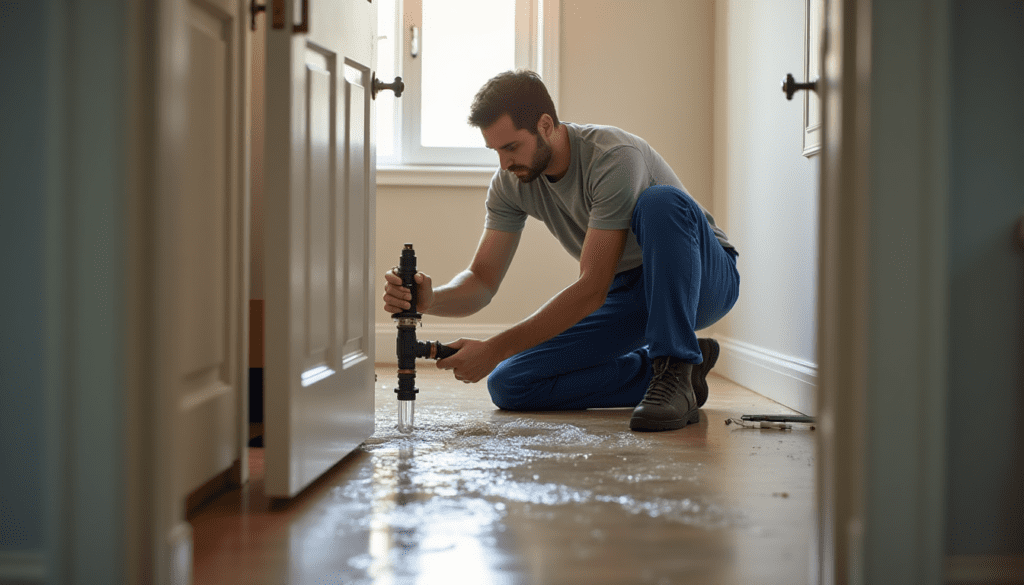
Emergency situations in a rental property rarely arrive with warning. A burst pipe at 2 a.m., a strong smell of gas, or water pouring through a ceiling can quickly turn into serious damage if not handled immediately. In Caldwell NJ rentals, emergency repairs often require fast access to the unit, even when a tenant is not home or reachable. Understanding how emergency landlord entry works in real-life scenarios helps both tenants and property owners respond calmly, safely, and efficiently when every minute matters.
This guide focuses on practical emergency repair situations in rental homes, how access typically happens, and how both sides can prepare ahead of time. Rather than theoretical explanations, this article walks through real emergency repair conditions, communication expectations, and best practices used by professional property management teams in New Jersey.

Introduction
Emergency maintenance is one of the most stressful aspects of renting or managing property. Tenants worry about privacy and safety, while landlords worry about damage spreading beyond one unit into neighboring apartments or shared spaces. In Caldwell NJ, where many rentals are part of multi-unit buildings, emergency repairs can escalate quickly if access is delayed.
Unlike routine maintenance, emergencies require immediate action. Water damage can destroy flooring within hours, electrical issues can spark fires, and heating failures during winter can make a unit unlivable. Because of this urgency, emergency landlord entry for repairs is handled very differently than scheduled maintenance visits. The goal is not convenience, but prevention of harm and costly damage.
Property managers who specialize in New Jersey rentals often prepare detailed emergency response plans long before an incident happens. Tenants who understand what emergency entry looks like are less likely to feel caught off guard when a real situation occurs.
Understanding Emergency Entry in Rental Properties
Emergency entry in a rental property refers to situations where immediate access is required to stop damage, restore essential services, or address a safety threat. These entries are reactive, not planned, and typically happen outside normal business hours.
In Caldwell NJ rentals, emergency access is most common in apartment buildings, duplexes, and townhomes where one unit’s problem can affect others. A leaking pipe on the third floor can damage multiple units below. A gas issue in one apartment can affect the entire building. In these moments, waiting to coordinate schedules simply is not practical.
Professional property management teams treat emergency entry as a last-resort necessity. The priority is always to protect the property and the people inside it. Clear procedures help ensure that emergency access remains controlled, respectful, and limited only to what is required to fix the issue.
For tenants, knowing what qualifies as an emergency and how entry typically occurs reduces anxiety. For landlords, having predefined steps ensures consistency and reduces confusion when stress levels are high.
What Counts as an Emergency Repair
Not every maintenance issue qualifies as an emergency. Emergency repairs are situations where delaying action could cause injury, severe property damage, or loss of essential services. In Caldwell NJ rentals, these emergencies often follow predictable patterns.
Fire and Immediate Safety Risks
Fire-related issues are among the most urgent emergencies. This includes active fires, electrical sparks, burning smells, or malfunctioning smoke detectors paired with other warning signs. Electrical panel failures, exposed wiring, or outlets overheating can escalate rapidly if not addressed right away.
Emergency repair teams focus first on neutralizing the hazard, then assessing whether additional work is needed to prevent recurrence. In multi-unit rentals, these risks are especially serious because they threaten neighboring units as well.
Severe Water Leak or Flooding
Water emergencies are the most common reason for emergency landlord entry in New Jersey rentals. Burst pipes, overflowing toilets, broken water heaters, or roof leaks during storms can cause extensive damage in a short time.
Water travels quickly through walls and ceilings. A leak left unattended for even a few hours can lead to mold growth, warped flooring, and structural damage. Emergency repairs usually begin with stopping the water source, followed by drying and damage assessment.
Gas Leaks and Hazardous Situations
Gas-related emergencies require immediate attention. Strong odors, hissing sounds near gas lines, or appliance malfunctions involving gas pose serious risks. In Caldwell NJ rentals, gas emergencies often involve coordination with utility providers and licensed technicians.
Access during these situations is strictly limited to addressing the hazard. Once the immediate danger is resolved, further inspections or repairs may be scheduled if needed.
Structural Failure Threats
Structural emergencies include collapsing ceilings, compromised staircases, broken railings, or severe foundation issues caused by storms or long-term wear. While less common, these situations demand fast action to prevent injury.
Temporary supports, restricted access, or emergency stabilization measures are often used until permanent repairs can be completed.
How Landlords Should Prepare Before Entry
Preparation is the key to handling emergency repairs smoothly. Landlords and property managers who plan ahead reduce confusion, minimize tenant stress, and prevent delays when emergencies strike.
Emergency preparation starts with maintaining updated contact information for tenants, contractors, and utility providers. When an issue arises, having immediate access to the right people saves valuable time.
Communication Best Practices
Clear communication, even during emergencies, builds trust. Property managers typically attempt to notify tenants as soon as possible using multiple channels such as phone calls, text messages, or email. Even a brief message explaining the situation helps tenants understand why immediate access is necessary.
After the emergency repair is completed, a follow-up message outlining what was done, what remains, and any next steps helps close the loop. This transparency reassures tenants that the entry was limited and purposeful.
Documenting Repairs and Needs
Documentation protects everyone involved. Before-and-after photos, technician reports, and time logs create a clear record of the emergency repair. In Caldwell NJ rentals, professional property management teams rely on documentation to track patterns, prevent repeat issues, and coordinate insurance claims if needed.
Keeping organized records also helps identify aging systems that may need replacement before another emergency occurs.
How Tenants Can Prepare for Emergency Entry
Tenants also play an important role in emergency preparedness. Knowing how to respond and what to expect can make a stressful situation easier to manage.
Tenants should report unusual smells, leaks, or sounds as soon as they notice them. Early reporting often prevents small issues from becoming full emergencies. Keeping pathways clear around major systems like water heaters, electrical panels, and under-sink plumbing allows faster access if repairs are needed.
It also helps for tenants to understand that emergency entry is focused solely on resolving the immediate problem. Repairs are typically handled quickly, with minimal disruption, and followed by communication about next steps if additional work is required.
Emergency situations are unpredictable, but preparation on both sides makes a significant difference in outcome and peace of mind. In the sections that follow, this guide continues with tools used during emergency repairs, communication examples, and what happens after the immediate issue is resolved.
Being prepared for emergency repairs is not about expecting the worst, but about ensuring that when something unexpected happens, everyone involved knows how to respond calmly, efficiently, and responsibly.
Typical Tools & Teams Used During Emergency Repairs
When emergency landlord entry occurs in Caldwell NJ rentals, it is rarely handled by a single person with basic tools. Emergency repairs often require coordinated efforts between licensed professionals, property managers, and sometimes utility providers. The right tools and experienced teams are essential to resolving the issue quickly while minimizing damage to the rental unit.
Plumbers responding to water emergencies typically arrive with shutoff tools, pipe repair kits, moisture detection devices, and extraction equipment. Electricians handling urgent electrical issues bring voltage testers, insulated tools, replacement breakers, and safety gear. In gas-related situations, technicians use specialized detection equipment designed to identify leaks that may not be visible to the naked eye.
Property managers often accompany repair teams or coordinate access remotely. Their role includes verifying the emergency, ensuring access is limited to necessary areas, and documenting the work performed. This coordination helps prevent unnecessary disruption to tenants while ensuring repairs are completed correctly.
Balancing Urgency With Respect for Tenants
Emergency repairs move fast, but respect for tenant space remains important. Even during urgent situations, professional teams aim to enter only the areas affected by the emergency. Bedrooms, personal storage areas, and unrelated spaces are avoided whenever possible.
In Caldwell NJ rentals, experienced property managers understand that emergencies do not remove the need for professionalism. Technicians are instructed to keep doors closed, cover flooring when necessary, and leave the unit in as orderly a condition as possible after repairs are completed.
Following the repair, tenants are typically informed about what was accessed, how long the work took, and whether additional visits may be needed. This follow-up communication reassures tenants that their home was treated with care, even under pressure.
Common Emergency Repair Scenarios in Caldwell NJ Rentals
While every emergency is unique, certain scenarios appear repeatedly across rental properties in Caldwell NJ. Understanding these patterns helps both landlords and tenants recognize problems early.
Frozen pipes during winter months are a frequent cause of emergency entry. Sudden temperature drops can lead to pipe bursts, especially in older buildings or poorly insulated areas. Heavy rainstorms often reveal roof leaks or foundation seepage that requires immediate attention.
Heating system failures during cold seasons are another common emergency. Loss of heat affects habitability and can lead to frozen plumbing if not addressed quickly. Electrical outages tied to faulty panels or overloaded circuits also rank high among urgent repair calls.
Recognizing these scenarios allows property managers to prioritize preventative maintenance, reducing the likelihood of emergency access altogether.
Communication Examples During Emergency Repairs
Clear, concise communication makes emergency situations easier for everyone involved. Even brief messages help tenants understand what is happening and why access is needed.
Initial notifications often include a short explanation of the issue, the reason for immediate access, and reassurance that repairs will be limited to resolving the emergency. After repairs are completed, a follow-up message typically summarizes the work done and outlines any next steps.
Consistent communication practices build trust over time and reduce confusion during high-stress situations. Many Caldwell NJ property managers use standardized templates to ensure important details are never missed.
What Happens After Emergency Repairs Are Completed
Once the immediate emergency is resolved, attention shifts to recovery and prevention. Property managers assess whether additional repairs are needed to restore the unit fully. This may include drying services, cosmetic repairs, or system upgrades.
Tenants are informed about any follow-up visits, timelines, or temporary accommodations if required. Documentation from the emergency repair is reviewed to determine whether preventative maintenance or equipment replacement could reduce future risks.
Emergency situations often reveal underlying issues. Addressing these proactively helps improve long-term safety and comfort for everyone living in the property.
Preparedness, communication, and professionalism are what turn a stressful emergency into a manageable situation. When both tenants and landlords understand how emergency repairs are handled, the process becomes faster, safer, and far less disruptive.
Insurance and Emergency Repair Documentation
After an emergency repair is completed, documentation becomes extremely important. In Caldwell NJ rentals, emergency situations often involve insurance considerations, especially when water, fire, or structural damage is involved. Clear records help determine responsibility, support insurance claims, and provide transparency for both tenants and property owners.
Property managers typically collect technician invoices, written repair summaries, timestamps of entry and exit, and photographic evidence showing the issue before and after repairs. This documentation helps establish that access was limited to resolving the emergency and that the work performed was necessary.
Tenants may also benefit from keeping their own records, particularly if personal belongings were affected by the emergency. Photos, notes, and communication logs can be useful if follow-up repairs or claims are required. Organized documentation reduces misunderstandings and speeds up resolution.
Signs You Might Be Facing a Major Repair Emergency
Not all emergencies announce themselves dramatically. Some begin with subtle warning signs that escalate if ignored. Recognizing early indicators can prevent the need for urgent landlord entry altogether.
Persistent damp smells, unexplained spikes in utility bills, flickering lights, or unusual noises from walls and ceilings often point to underlying problems. Slow drains, reduced water pressure, or inconsistent heating performance can signal plumbing or system failures in progress.
Tenants who report these signs early help property managers address issues before they become full emergencies. In many Caldwell NJ rentals, proactive reporting has prevented costly damage and avoided the need for emergency access.

Emergency Entry Preparedness Checklist
Preparation makes emergencies less disruptive. A simple readiness checklist helps both landlords and tenants respond efficiently when urgent repairs are needed.
- Updated tenant contact information on file
- Clearly labeled water, gas, and electrical shutoffs
- Access paths cleared around major systems
- Emergency contractor contacts readily available
- Basic understanding of emergency reporting procedures
When these elements are in place, emergency landlord entry becomes faster, safer, and more controlled. Preparedness reduces stress and protects both the property and the people living in it.
Frequently Asked Questions About Emergency Repairs
What qualifies as an emergency that requires immediate access?
Situations involving safety risks, active damage, or loss of essential services typically require urgent attention. These include severe water leaks, gas issues, electrical hazards, and structural threats.
How are tenants notified during emergency entry?
Property managers usually attempt contact through multiple methods as soon as the emergency is identified. Even brief notifications help keep tenants informed during urgent situations.
How long does emergency repair access usually last?
Emergency entry is limited to the time needed to stop the immediate issue. Additional repairs, if required, are typically scheduled separately.
What happens if further repairs are needed after the emergency?
Follow-up work is communicated clearly, including timelines and any necessary access arrangements, once the urgent situation is stabilized.
Moving Forward After an Emergency Repair
Emergency repairs are never convenient, but they are sometimes unavoidable. In Caldwell NJ rentals, successful emergency responses depend on preparation, communication, and professional execution. When everyone understands the process, emergencies become manageable rather than overwhelming.
Tenants benefit from knowing what to expect, while landlords and property managers benefit from having structured procedures in place. Together, these practices protect property value, tenant safety, and long-term trust.
Practical Takeaways for Tenants and Property Managers
Emergency repairs in rental properties are never ideal, but they become far more manageable when everyone involved understands their role. Tenants who stay alert to early warning signs and report issues promptly often help prevent emergencies from escalating. Property managers who maintain clear procedures and reliable emergency contacts can respond quickly without unnecessary disruption.
In Caldwell NJ rentals, the most successful emergency responses tend to follow the same pattern: quick identification of the problem, immediate steps to prevent further damage, limited and focused access, and clear communication afterward. When these elements are consistently applied, trust is preserved even during stressful situations.
Emergency preparedness is not about expecting constant problems. It is about recognizing that buildings age, systems fail, and weather events happen. Having a plan in place allows both tenants and landlords to react calmly rather than scrambling under pressure.
Why Professional Property Management Makes a Difference
Handling emergency repairs without a structured system often leads to confusion, delays, and frustration. Professional property management teams bring experience, established vendor relationships, and documented procedures that streamline emergency responses.
In many Caldwell NJ rentals, property managers coordinate emergency access, communicate with tenants, supervise repairs, and document everything from start to finish. This level of organization not only resolves the immediate issue but also helps identify patterns that can be addressed through preventative maintenance.
Over time, this approach reduces the frequency of emergencies and improves overall tenant satisfaction. Knowing that emergencies are handled professionally provides peace of mind for everyone involved.
Preparing for the Unexpected
Emergency repairs are unpredictable, but preparation is not. Simple steps such as keeping contact information current, understanding where shutoff valves are located, and knowing how to report urgent issues can dramatically reduce response time.
Tenants who feel informed are more likely to cooperate during emergency situations, while landlords who communicate clearly are more likely to maintain positive relationships. Preparation turns emergency landlord entry from a source of conflict into a shared effort to protect the home.
If you manage or live in a rental property in Caldwell NJ, taking time now to understand emergency repair procedures can save significant stress later. Emergencies may be unavoidable, but chaos is not.
For property owners seeking reliable emergency repair coordination and tenant communication support, working with an experienced local property management team can make all the difference. A proactive approach today often prevents costly emergencies tomorrow.