

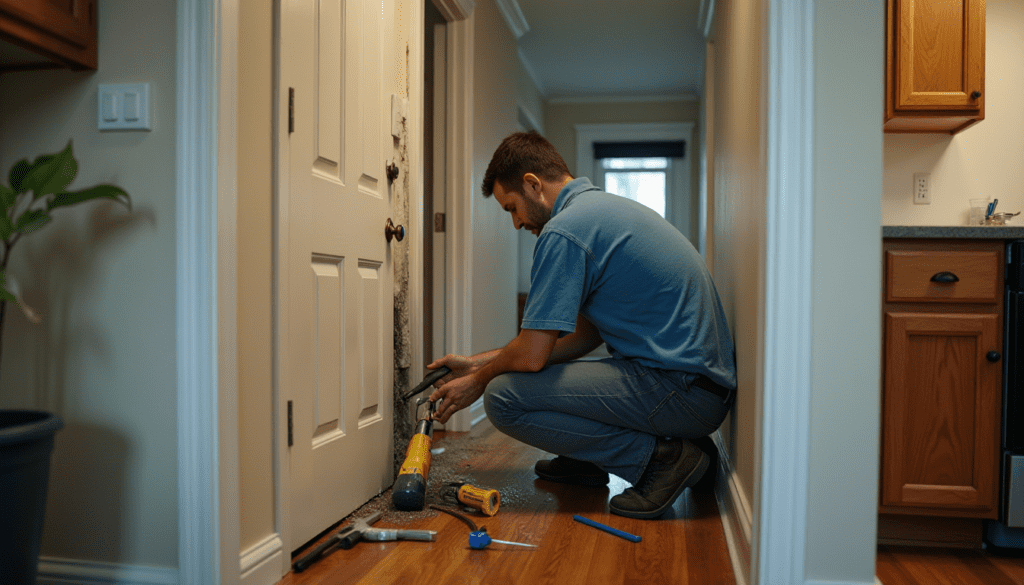

Rental emergencies rarely announce themselves ahead of time. A pipe can burst in the middle of the night, an electrical panel can fail without warning, or a gas smell can suddenly fill a unit. In moments like these, waiting for permission or formal notice may not be practical. For renters and property owners in Belleville, New Jersey, emergency entry into a rental unit is a real-world scenario that raises questions about access, expectations, and responsibility.
This article focuses on emergency entry situations in Belleville NJ rentals, specifically when immediate repairs are needed to prevent damage or protect occupants. The goal is to help renters and property managers understand what typically happens during emergencies, why access matters, and how these situations are handled in practice. By the end, you’ll have a clearer picture of how emergency rental access works and how both sides can prepare for it.
Throughout this guide, we’ll reference commonly cited New Jersey rental practices and trusted housing resources, including guidance from the New Jersey Department of Community Affairs and tenant advocacy organizations. These sources help shape expectations around emergency access and communication in rental housing.
Why Landlord Entry Rules Matter During Emergencies
Emergency entry rules exist for one core reason: to prevent harm. When something goes wrong inside a rental unit, delays can lead to serious property damage, safety hazards, or even health risks. Understanding how emergency access works helps avoid confusion and unnecessary conflict when time is critical.
For tenants, knowing what to expect during an emergency can reduce stress and uncertainty. Many renters worry about privacy and security, especially when they are not home. Emergency access rules help clarify that these situations are not about routine inspections or convenience, but about addressing urgent problems that cannot wait.
For property owners and managers, emergency entry guidelines provide a framework for acting quickly while still respecting tenant rights. According to commonly referenced New Jersey rental guidance, emergencies are treated differently from routine maintenance because the consequences of inaction can be severe. Resources such as the New Jersey Department of Community Affairs Right of Entry publication emphasize the importance of prompt action when safety or property is at risk.
Clear expectations also help prevent misunderstandings after the fact. When both parties understand why entry occurred and what qualifies as an emergency, it becomes easier to focus on resolving the issue rather than debating access.
When Entry Without Permission Typically Happens
Emergency entry without prior permission usually happens when waiting would make the situation worse. In Belleville NJ rentals, these situations often involve immediate threats to people or property. While every case is unique, there are common patterns that show up again and again.
Most emergency entries occur when a tenant is unavailable or cannot be reached quickly. If a landlord or property manager receives a report of a serious issue and attempts to contact the tenant without success, action may still be necessary. This approach aligns with widely discussed New Jersey tenant guidance, including explanations from tenant-rights organizations that describe emergency access as a last resort rather than a default option.
It’s important to note that emergency access is not about convenience or speeding up routine work. It’s about addressing conditions that could escalate if left alone. This distinction is often highlighted in New Jersey property management discussions, including those published by NJ-based property management resources.
Immediate Safety Threats
Immediate safety threats are the most clear-cut reason for emergency entry. These situations involve risks that could cause injury, illness, or worse if not addressed right away. Examples include strong gas odors, visible smoke, fire alarms going off, or flooding that could affect electrical systems.
In these scenarios, the priority is protecting lives and minimizing damage. Waiting for written notice or scheduled access could put occupants and neighboring units at risk. Tenant advocacy resources in New Jersey consistently acknowledge that emergencies involving safety require swift action, even if the tenant is not present.
From a renter’s perspective, these situations can feel invasive, but they are generally understood as necessary. Clear communication after the fact is often emphasized as a best practice to maintain trust.
Structural Damage or Utility Failures
Another common category of emergency entry involves major structural or utility issues. Burst pipes, sewage backups, or complete electrical failures can cause extensive damage in a short amount of time. Water damage alone can spread rapidly through walls, floors, and neighboring units.
Utility failures are especially time-sensitive in multi-unit properties. A problem in one apartment can quickly affect others, making immediate access critical. Property management guidance in New Jersey frequently points out that delaying repairs in these cases can significantly increase repair costs and disruption.
These types of emergencies often require specialized contractors, which means access may be needed as soon as they arrive. In practice, landlords are expected to act reasonably and only access areas necessary to resolve the issue.
Typical Notice Expectations Versus Emergency Situations
Under normal circumstances, rental access is usually planned in advance. Tenants are accustomed to receiving notice for inspections, repairs, or showings. Emergency situations break from this routine because the usual timelines simply do not apply.
Many New Jersey tenant resources explain that routine entry typically involves reasonable notice, often around 24 hours. However, emergencies are treated differently because the urgency outweighs the notice requirement. This distinction is discussed in detail by tenant-rights organizations that outline how emergencies are an exception rather than the rule.
Understanding this difference helps renters recognize why an unannounced entry might occur during a true emergency. It also helps landlords remember that this exception should not be stretched beyond genuine urgent situations.
Communication still matters, even when notice is not possible beforehand. Best practices often include attempting contact before entry if time allows and providing clear follow-up communication afterward explaining what happened and why entry was necessary.
Common Rental Emergencies That Require Immediate Access
Not every maintenance issue qualifies as an emergency. Knowing which situations typically require immediate access can help renters and property managers stay on the same page. In Belleville NJ rentals, the following scenarios are commonly treated as emergencies due to their potential impact.
Fire, Smoke, or Gas-Related Issues
Fire-related emergencies are among the most serious. Smoke alarms sounding, visible smoke, or reports of burning smells all demand immediate attention. Gas leaks are equally dangerous, as they pose risks of explosion and serious health effects.
In these cases, emergency services may already be involved, and property access becomes essential. New Jersey housing guidance frequently highlights these scenarios as clear examples of when immediate entry is appropriate to protect life and property.
Major Water Leaks and Flooding
Water emergencies are some of the most common reasons for emergency rental entry. A burst pipe, overflowing toilet, or roof leak during heavy rain can cause damage within minutes. Left unaddressed, water can weaken structures and lead to mold growth.
Because water spreads quickly, access may be needed even if the tenant is away. Property managers often emphasize quick response in these situations to limit damage and disruption across the building.
Severe Electrical Hazards
Electrical emergencies include sparking outlets, exposed wiring, or power failures that create unsafe conditions. These issues can increase the risk of fire or injury if not handled promptly.
Immediate access allows qualified professionals to shut off power, assess damage, and make urgent repairs. Tenant-focused resources in New Jersey often point out that electrical hazards are a valid reason for emergency entry due to the risks involved.
Understanding these common emergency scenarios helps set realistic expectations for both renters and landlords. When everyone recognizes what qualifies as an emergency, it becomes easier to respond quickly and appropriately.
Tenant Expectations During Emergency Access
When emergency entry happens, tenants often feel caught off guard, especially if they were not present at the time. In Belleville NJ rentals, emergency access is generally understood as a response to urgent conditions rather than a routine visit. Even so, tenants typically expect that entry will be limited to what is necessary to address the problem.
One common expectation is that emergency access will focus only on the affected area. For example, if a water leak originates under a kitchen sink, there is usually no reason for unrelated rooms to be accessed. Property management best practices in New Jersey frequently stress minimizing intrusion while resolving the emergency efficiently.
Another expectation involves security. Tenants reasonably assume that doors and windows will be properly secured after emergency repairs are completed. If locks were adjusted or access points opened, follow-up communication is considered an important step in maintaining trust.
Tenant advocacy resources, including guidance referenced by tenant-rights organizations in New Jersey, often emphasize that emergency access should not turn into an inspection or evaluation of the tenant’s living habits. The focus remains on resolving the immediate issue and preventing further harm.
How Communication Usually Happens During Emergencies
Even in urgent situations, communication plays a critical role. While advance notice may not be possible, most New Jersey rental guidance encourages landlords and property managers to attempt contact when time allows. This can include phone calls, text messages, emails, or emergency contact methods provided by the tenant.
If a tenant cannot be reached, emergency access may still occur, but follow-up communication becomes especially important. Many property managers in New Jersey document the reason for entry, the time it occurred, and the work performed. This approach aligns with recommendations commonly found in NJ property management resources.
After the emergency is handled, tenants typically expect a clear explanation. This might include what caused the issue, what repairs were completed, and whether additional work is needed. Clear communication helps reduce confusion and reassures tenants that access was justified.
According to housing guidance published by the New Jersey Department of Community Affairs, maintaining transparent communication supports a healthier landlord-tenant relationship, even when unexpected access is required.
What Tenants Can Do After Emergency Entry Occurs
Once emergency access has taken place, tenants often wonder what steps they should take next. In most cases, the first step is simply reviewing any communication left by the landlord or property manager. This may include written notices, emails, or maintenance summaries explaining the emergency repair.
If something seems unclear, tenants may choose to ask follow-up questions. This could involve confirming that the issue was fully resolved or asking whether additional access will be needed. Open dialogue is frequently encouraged by New Jersey tenant advocacy groups as a way to avoid lingering concerns.
Tenants may also want to visually inspect the repaired area once they return. This helps confirm that the space is secure and that no additional issues were created during the repair process. If problems are noticed, reporting them promptly supports faster resolution.
Documentation can also be helpful. Keeping records of emergency repairs, including dates and descriptions, provides useful reference if similar issues arise in the future. Property management experts in New Jersey often recommend this practice for both tenants and landlords.
Practical Ways Emergency Access Is Documented
Documentation plays a quiet but important role when emergency access happens in a rental unit. In Belleville NJ, many property managers rely on written records to explain why entry occurred and what actions were taken. This documentation helps create clarity after the emergency has passed.
Common documentation methods include maintenance logs, time-stamped work orders, and short written summaries left for tenants. These records typically note the nature of the emergency, the time access occurred, and the repairs completed. New Jersey property management resources frequently highlight documentation as a way to reduce misunderstandings and build transparency.
Photos may also be used, especially in cases involving water damage or structural issues. Images taken before and after repairs can help illustrate why immediate access was necessary and show that the work was limited to resolving the emergency.
For tenants, receiving this information can be reassuring. It provides context and shows that entry was not arbitrary. For landlords, documentation supports consistent practices and clear communication, which are often recommended by NJ-based housing authorities.
Tools Commonly Used to Notify and Track Emergency Repairs
Modern rental management often relies on digital tools to handle emergencies more efficiently. In Belleville NJ rentals, property managers may use maintenance software, messaging platforms, or email systems to log emergency issues and track access.
These tools allow quick communication attempts, even if the tenant is unavailable. Messages sent before or immediately after entry can demonstrate that reasonable efforts were made to inform the tenant. Tenant-rights organizations in New Jersey frequently point out that attempted communication, even during emergencies, helps maintain accountability.
Maintenance platforms also provide a centralized record of what happened. This includes timestamps, contractor notes, and repair updates. Having everything in one place makes it easier for both tenants and property managers to review the situation later if questions arise.
While tools vary by property, the underlying goal remains the same: to handle emergencies efficiently while keeping everyone informed.
How Emergency Entry Differs From Routine Repairs
One of the most common sources of confusion in rental housing is the difference between emergency access and routine maintenance. Emergency entry is driven by urgency, while routine repairs are planned and scheduled in advance.
Routine repairs might include fixing a loose cabinet door, replacing appliances, or performing seasonal maintenance. These tasks typically allow time for notice and coordination. Emergency situations, on the other hand, involve conditions that could worsen quickly if left unattended.
New Jersey tenant guidance consistently emphasizes that emergency entry should not be used as a shortcut for routine work. This distinction helps protect tenant privacy while still allowing swift action when necessary.
Understanding this difference helps renters feel more confident that emergency access is not being misused. It also helps landlords stay aligned with best practices discussed in NJ property management resources.
Best Practices for Emergency Access in Belleville NJ Rentals
Best practices for emergency rental access focus on balance. The goal is to respond quickly while respecting tenant space as much as possible. In Belleville NJ, many property managers follow similar principles outlined by New Jersey housing authorities and tenant advocacy groups.
These practices often include attempting contact before entry when time allows, limiting access to the affected area, and securing the unit afterward. Clear follow-up communication is another key element, helping tenants understand what happened and why.
Consistency is also important. When emergency access is handled the same way each time, tenants know what to expect. This consistency is frequently highlighted in NJ property management discussions as a way to reduce conflict.
Ultimately, emergency access works best when both parties understand its purpose. When renters and property managers share the same expectations, emergencies can be addressed quickly without unnecessary tension.
Common Misunderstandings About Emergency Entry
Emergency entry into a rental unit is often misunderstood, even among long-term renters and experienced property owners. One of the most common misunderstandings is assuming that any repair labeled “urgent” automatically qualifies as an emergency. In practice, emergency entry in Belleville NJ rentals is generally tied to situations where delay could cause harm, damage, or safety risks.
Another frequent misconception is that emergency access allows unrestricted entry. Tenant-focused guidance in New Jersey consistently clarifies that even during emergencies, access should be limited in scope. The purpose is to address the specific problem, not to conduct inspections or evaluate unrelated areas of the unit.
Some tenants also believe that emergency entry means communication is no longer necessary. While advance notice may not be possible, New Jersey housing resources emphasize that follow-up communication is still an important part of responsible property management. Explaining what happened and why helps prevent confusion and distrust.
On the landlord side, misunderstandings can occur when emergency access is treated too casually. NJ property management discussions often caution against stretching the definition of “emergency,” as doing so can damage relationships and lead to disputes.
Preparing for Emergency Situations Before They Happen
Preparation can make emergency rental access far less stressful for everyone involved. In Belleville NJ rentals, preparation often starts with clear emergency contact information. Tenants who provide up-to-date phone numbers and email addresses make it easier for property managers to communicate quickly when something goes wrong.
Property managers also benefit from having clear internal procedures. This may include predefined steps for identifying emergencies, contacting tenants, and documenting access. Many NJ-based property management resources highlight preparation as a key factor in reducing confusion during urgent situations.
Tenants can prepare by understanding what types of issues should be reported immediately. Knowing when to call for help versus submitting a routine maintenance request helps ensure emergencies are addressed promptly.
When both sides are prepared, emergency access becomes less disruptive and more focused on resolving the problem efficiently.
How Emergency Repairs Affect Neighboring Units
In multi-unit properties common in Belleville NJ, emergencies rarely affect just one apartment. A leak, fire risk, or utility failure in one unit can quickly impact neighboring units. This interconnectedness is one reason emergency access is taken seriously in rental housing.
Property management guidance in New Jersey often notes that rapid response can prevent widespread damage. For example, shutting off water quickly can protect multiple apartments from flooding. In these cases, emergency access benefits not only the affected tenant but also their neighbors.
Tenants sometimes feel more understanding of emergency entry when they realize it helps protect the entire building. Clear communication about this broader impact can help reinforce why swift action was necessary.
Recognizing how emergencies spread underscores the importance of timely access and coordinated response.
What Happens After the Immediate Emergency Is Resolved
Once the immediate danger has passed, attention usually shifts to follow-up repairs and restoration. Emergency work often focuses on stopping the problem, such as shutting off water or power. Additional repairs may be needed later to fully restore the unit.
Tenants in Belleville NJ rentals typically expect clear information about next steps. This may include scheduling follow-up repairs, restoring utilities, or addressing cosmetic damage caused by the emergency.
New Jersey tenant guidance frequently emphasizes that emergency access does not end the landlord’s responsibility. Proper follow-through helps ensure the unit remains safe and livable.
This post-emergency phase is another opportunity for communication and cooperation, reinforcing trust between tenants and property managers.
Key Takeaways for Renters and Property Managers
Emergency entry into a rental unit is a practical response to urgent situations that threaten safety or property. In Belleville NJ, these situations are shaped by common New Jersey rental practices and guidance from housing authorities and tenant advocacy organizations.
For tenants, understanding what qualifies as an emergency and what to expect during access can reduce anxiety. For landlords and property managers, following best practices—such as limiting entry, documenting actions, and communicating clearly—helps maintain positive relationships.
When emergencies are handled thoughtfully, they become less about conflict and more about problem-solving. Preparation, transparency, and reasonable action form the foundation of effective emergency rental access.
Whether you are renting or managing a property in Belleville NJ, having a shared understanding of emergency access can make difficult moments easier to navigate.
Frequently Asked Questions About Emergency Rental Entry
Can a landlord enter a rental unit for emergency repairs without notice in New Jersey?
In emergency situations where immediate action is needed to prevent damage or address safety concerns, entry may happen without advance notice. This approach is commonly discussed in New Jersey tenant guidance as an exception used only when waiting could make the situation worse.
What usually qualifies as an emergency in a rental property?
Emergencies typically involve conditions that threaten safety or could cause rapid damage. Common examples include gas odors, fire risks, burst pipes, severe water leaks, and dangerous electrical issues. These scenarios are frequently referenced by New Jersey housing resources as requiring immediate attention.
Is emergency entry allowed if the tenant is not home?
Yes, if the situation is urgent and the tenant cannot be reached, access may still occur to address the emergency. Property management guidance in New Jersey often encourages attempting contact first when time allows, followed by clear communication afterward.
Does emergency access mean the landlord can inspect the entire unit?
Emergency access is generally limited to what is necessary to resolve the issue. Tenant-focused resources emphasize that emergencies are not an opportunity for general inspections or unrelated entry.
What should a tenant expect after emergency repairs are completed?
After the emergency is addressed, tenants typically receive an explanation of what happened and what repairs were made. Additional follow-up work may be scheduled if needed to fully restore the unit.
Why Clear Emergency Policies Matter for Belleville NJ Rentals
Clear emergency access practices benefit everyone involved. For renters, they provide reassurance that access will only happen when truly necessary. For property managers, they offer a structured way to respond quickly without overstepping boundaries.
Many New Jersey property management resources highlight the value of setting expectations early. When tenants understand how emergencies are handled, surprise entries feel less alarming and more like a protective measure.
Consistency is especially important in multi-unit buildings. Applying the same standards across all units helps maintain fairness and reduces confusion when emergencies affect more than one apartment.
Over time, clear emergency policies help build trust. Trust makes future communication easier, even during stressful situations.
Supporting Safer and More Predictable Emergency Responses
Emergency situations are never ideal, but preparation and understanding can make them manageable. In Belleville NJ rentals, effective emergency responses are built on quick action, limited access, and honest communication.
Tenants who know what to expect are more likely to respond calmly and cooperatively. Property managers who follow established best practices are better equipped to protect both the property and the people living in it.
By focusing on safety, transparency, and respect for personal space, emergency rental access becomes a shared responsibility rather than a source of conflict.
If you manage or rent property in Belleville NJ, reviewing emergency procedures now can help avoid confusion later. Clear communication today can make tomorrow’s emergencies easier to handle.