

Managing rental properties already requires patience, consistency, and strong communication skills, but few challenges test a landlord quite like discovering a hoarder tenant. In Belleville, NJ, where rental properties often sit close together and multi-family homes are common, hoarding doesn’t just affect one unit—it can impact neighbors, building structure, fire safety, and legal compliance. Understanding how to handle hoarder tenants respectfully and within New Jersey law is a crucial part of protecting your property, your tenants, and your liability.
This guide walks landlords in Belleville through a humane, practical, and legally informed approach to hoarding issues. You’ll learn how to recognize the warning signs, how to conduct inspections properly, how to communicate with tenants without escalating tension, and how to use your lease and local safety codes to guide the next steps. Because hoarding is often intertwined with mental-health considerations, it’s essential to strike the right balance between maintaining habitability and respecting tenant rights.
The following sections include preventive measures, early-intervention strategies, and structured cleanup planning—all built on best practices for handling hoarder tenants in New Jersey. While every situation is different, the overall goal remains the same: restore the unit to a safe condition while ensuring compliance with housing and disability laws. And if legal issues arise, proper documentation and process will protect you far more than impulse-based action ever could.

Why Hoarding Matters for Landlords
Hoarding is not just an eccentric habit—it poses real risks that can lead to injuries, code violations, and expensive restoration work. For Belleville landlords, understanding why hoarding matters allows you to respond quickly and appropriately when problems appear. Hoarding can affect everything from lease compliance to emergency access, and in multi-unit buildings, one tenant’s behavior may affect the habitability of surrounding apartments. For this reason, New Jersey landlords must stay informed and attentive during inspections and communication.
Fire Hazards and Blocked Exits
Excessive stockpiling of paper items, boxes, bags, or combustible materials dramatically increases fire load in a rental unit. In Belleville’s older property stock, where many homes still rely on original layouts or older wiring, the risk is even more serious. Blocked hallways or cluttered exits can prevent first responders from accessing the unit quickly and stop tenants from escaping during emergencies. Fire hazards are one of the primary reasons hoarding becomes a lease and safety violation, and documenting blocked exits is often the first step when formal notices become necessary.
Pest Infestations and Sanitation Risks
Hoarding often leads to hidden food waste, stagnant materials, and moisture problems. These conditions attract insects, rodents, and other pests, and infestations can easily spread into neighboring units. For landlords in Belleville, this can mean additional extermination costs, angry complaints, and potential municipal inspections. Sanitation hazards also put you at risk of habitability claims, so early intervention—supported by documentation and professional inspection scheduling—is crucial.
Structural Damage, Mold, and Neighboring Unit Concerns
When items pile up against walls, vents, or plumbing fixtures, problems develop quietly until they become major repairs. Hoarder homes often suffer from hidden leaks, mold growth, and damage beneath piles. Moisture trapped under clutter encourages rot, and stacked weight can overstress certain surfaces. If hoarding affects airflow or ventilation, the entire building—a shared two-family home, for example—may experience moisture and mold spread. In Belleville’s multi-family neighborhoods, this can quickly escalate into a building-wide issue that affects property value and tenant satisfaction.
Recognizing the Signs of a Hoarder Tenant
Not every messy tenant is a hoarder, and not every cluttered room violates the lease. The goal isn’t to judge someone’s organizational style but to identify when clutter has crossed into a safety or habitability problem. Catching early signs helps landlords address the issue before it becomes severe, which reduces costs and stress for everyone involved. In Belleville rental units—especially older homes where ventilation and storage space may already be limited—early detection is essential.
Excessive Clutter and Difficulty Discarding Items
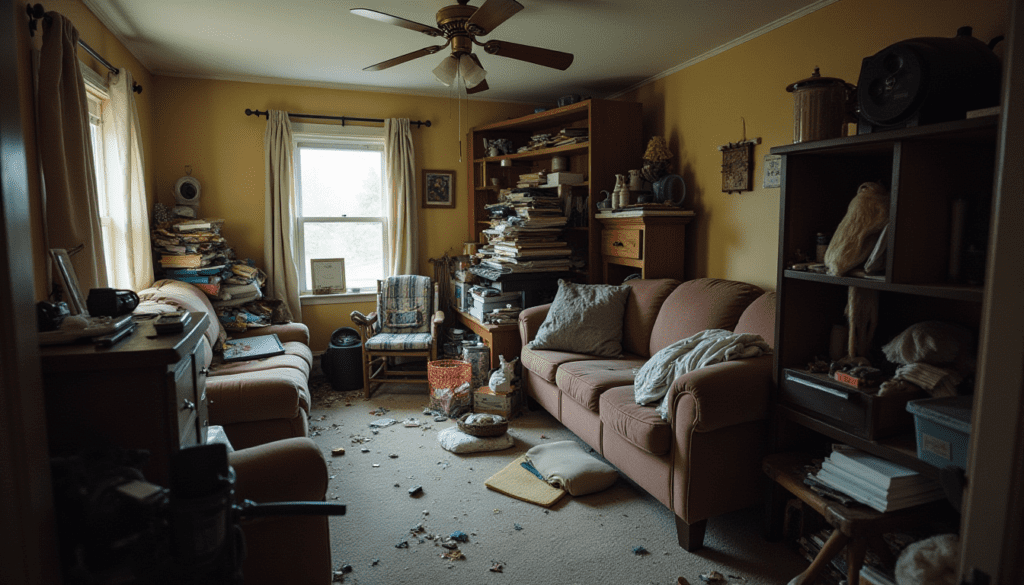
The most obvious sign of hoarding behavior is substantial clutter that limits basic living functions. This may include stacks of newspapers, endless bags of unsorted items, or entire rooms rendered unusable because belongings are piled floor-to-ceiling. In some cases, you may see items blocking HVAC units, windows, vents, or radiators. During scheduled inspections, if you notice a tenant clearly struggling to discard items—even when it creates safety risks—this may be an indicator that intervention will soon be necessary.
Odors, Pests, and Complaints from Neighbors
Neighbor complaints often reveal hoarding problems long before a landlord sees them firsthand. Odors from stagnant waste, pest activity, or moisture damage can easily seep through walls or hallways. In Belleville apartment buildings or two-family homes, these issues can generate tension with nearby tenants who expect safe, sanitary living conditions. If you receive reports about smells, roaches, mice, or an unusual number of flies around a unit, this should prompt a documented inspection as soon as legally permissible.
Evidence in Common Areas or Shared Spaces
In rare situations, landlords may notice clutter spreading into porches, hallways, patios, or shared basements. This is a major red flag. Shared spaces are typically subject to building and safety codes, and excess belongings stored outside the unit can violate both lease terms and municipal regulations. Always document these observations with dates and photos, and remind tenants of their responsibility to keep common areas clear. If clutter outside the unit is visible, it’s likely that conditions inside are more severe.
The Legal and Ethical Context — What Landlords Need to Know
Before acting on hoarding issues, landlords must understand the legal landscape. In New Jersey, hoarding can be legally complicated, especially because hoarding disorder is sometimes considered a disability under fair housing protections. This means landlords must balance safety concerns with anti-discrimination laws. Acting rashly—such as removing belongings without permission or forcing entry without proper notice—can lead to legal consequences that far outweigh the costs of addressing the hoarding itself.
Hoarding and Disability Protections
While not every hoarder has a diagnosed condition, many cases of severe hoarding stem from mental-health issues. Because of this, the Fair Housing Act requires landlords to consider reasonable accommodations. A reasonable accommodation might include granting extra time to clean, allowing phased cleanup plans, or collaborating with a tenant’s social worker. However, accommodations do not excuse safety violations. You are not required to tolerate fire risks, structural hazards, or sanitation problems—only to approach the situation fairly and within legal guidelines.
Lease Obligations: Cleanliness, Maintenance, Safety
Your lease is your strongest tool. Most Belleville landlords include cleanliness and maintenance clauses that require tenants to keep the unit sanitary and safe. These clauses typically prohibit blocked exits, pest-attracting conditions, or damage caused by excess clutter. If a tenant violates these terms, landlords have the right to issue written notices, request repairs, or pursue further action. The key is documenting everything thoroughly and following required steps—from notice to inspection to remediation.
The Balance Between Tenant Rights and Property Safety
Landlords must walk a careful line: ensuring tenant rights are respected while protecting the property and its occupants. Safety hazards such as fire risk, mold, pests, or structural risks give landlords legitimate grounds to intervene. But intervention must follow New Jersey’s proper procedures—notice requirements, opportunity to cure, reasonable timeframes, and fair treatment. Acting too aggressively may be viewed as harassment, while failing to act fast enough may trigger habitability issues for other tenants. Maintaining this balance is essential for a smooth, legally compliant outcome.
Preventive Measures — Screening and Lease Clauses
The best way to manage hoarding issues is to prevent them before move-in. No screening method is perfect, but thoughtful lease design and thorough checks help reduce the risk of severe hoarding problems later. Belleville landlords should use these preventive steps as part of their overall property-management strategy.
Tenant Background and Rental History Checks
While you cannot screen tenants based on medical or psychological conditions, you can review rental history, prior landlord complaints, and past property damage. Look for patterns: consistently poor housekeeping, pest issues at prior addresses, or non-compliance with maintenance requests. These are early indicators that the tenant may struggle with cleanliness expectations. When selecting tenants for older Belleville properties that are more sensitive to moisture, pests, or limited ventilation, thorough screening can help reduce costly problems down the road.
Including a Housekeeping and Cleanliness Clause
A clear, enforceable cleanliness clause in the lease gives you the legal foundation you need should hoarding become an issue later. The clause should address safe storage of items, trash removal, regular cleaning, and obligations to avoid health or fire hazards. Many New Jersey landlords also include specific language requiring unobstructed exits, proper ventilation, and compliance with local housing codes. When tenants sign such agreements, they acknowledge the standard they are expected to meet.
Clear Rules on Storage, Exits, and Waste Disposal
Some tenants genuinely do not understand what constitutes unsafe clutter. By outlining expectations in writing—such as prohibiting storage near heaters, maintaining walkable pathways, or keeping food waste sealed—you control misunderstandings before they occur. In Belleville’s older housing stock, where many units have narrow staircases or limited access points, these rules protect not only the hoarder tenant but also every resident in the building. Always give the tenant a copy of the rules and highlight them during move-in to prevent future disputes.
Regular Inspections: How and When to Do Them
Regular inspections are one of the most effective tools a landlord has for identifying hoarding early and preventing serious damage. In Belleville, NJ, where many rental properties are older or designed as multi-family homes, consistent inspections help maintain safety standards and avoid issues that might otherwise go unnoticed until they become costly. Conducting inspections properly is not only good practice—it protects you legally by ensuring compliance with New Jersey’s notice requirements and documentation standards.
Scheduling Periodic Inspections
Most Belleville landlords schedule inspections quarterly, semi-annually, or annually depending on the building’s condition and the lease agreement. The key is consistency. Tenants should know from the start that inspections are part of the normal routine, not a response to suspicion. When inspections feel routine and predictable, tenants are less likely to become defensive or feel targeted. New Jersey law typically requires a minimum notice period before entering a tenant’s home, and providing proper notice every time keeps you in compliance while maintaining trust.
When scheduling inspections, choose times that minimize disruption and give tenants ample opportunity to prepare. Clear communication and respect for the tenant’s privacy go a long way toward reducing tension, especially when hoarding behaviors may be present. The inspection itself should be done professionally, with attention to detail and a focus on safety, code compliance, and habitability standards outlined in the lease.
What to Document — Photos, Notes, and Hazards
Documentation is essential when dealing with hoarder tenants. During each inspection, carefully note any concerns related to clutter, blocked exits, pests, odors, moisture issues, or damage to structural fixtures. Taking date-stamped photos is especially valuable if the situation escalates and legal notices or court involvement become necessary. New Jersey judges typically prioritize clear, objective evidence, and proper documentation helps demonstrate that you handled the issue methodically and fairly.
Documenting also helps you track progress. If a tenant begins a cleanup plan or shows signs of improvement, your notes can reflect that too. This is especially important when reasonable accommodations are involved. Over time, a strong documentation trail protects you against claims of discrimination or harassment and shows that your focus has remained on legitimate safety and habitability concerns.
Proper Notice and Compliance with NJ Landlord-Tenant Law
New Jersey requires landlords to provide reasonable notice prior to entering a unit—typically 24 hours for non-emergency situations. Always deliver notice in writing, either by email (if permitted), physical letter, or as outlined in the lease. In Belleville, following the correct process ensures transparency, reduces disputes, and strengthens your legal position if the hoarding eventually requires disciplinary action. By complying with notice rules every time, you avoid claims of unlawful entry or tenant privacy violations.
When performing the inspection, keep the visit brief, respectful, and focused on identifying safety or habitability issues. Avoid comments that might be interpreted as judgmental or personal; instead, focus solely on physical conditions of the unit. This approach keeps the interaction professional and ensures your notes reflect objective, property-related concerns.
When Hoarding Is Suspected — First Steps
Discovering signs of hoarding can feel overwhelming for landlords, but the first response sets the tone for everything that follows. Jumping to accusations or acting without procedure will only escalate the situation. Instead, handling suspected hoarding with a calm, structured, and legally compliant approach protects your property while maintaining rapport with the tenant. In Belleville’s close-quarters rental environment, early, respectful communication often prevents a minor issue from developing into a major health or safety problem.
Documenting Objectively with Photos, Notes, and Dates
The moment you observe signs of hoarding, begin documenting the conditions thoroughly. This includes taking date-stamped photos of safety hazards, pest issues, blocked pathways, structural damage, or any conditions that violate your lease. Avoid subjective descriptions—document facts only. For example, noting “blocked bedroom exit with stacked boxes approximately three feet high” is more effective than saying “extreme clutter.” These objective details will be essential if you must issue a formal notice later or justify your actions to a court.
Your documentation should also include written descriptions of conversations, inspection dates, tenant statements, and any complaints from neighbors. Maintaining a chronological record demonstrates that you approached the issue responsibly and provided the tenant with multiple opportunities to correct the violations.
Open, Respectful Communication with the Tenant
After documenting the issue, the next step is a respectful conversation with the tenant. Many individuals experiencing hoarding disorder feel shame and fear judgment, so approaching the topic gently increases the chances of cooperation. Rather than framing the issue as a personal failing, focus on safety and compliance. A statement like, “I noticed some safety hazards that need attention” is far more effective than accusing the tenant of improper behavior.
Explain exactly what you observed and reference the lease clauses related to cleanliness, maintenance, and safety. Invite the tenant to share any challenges they may be experiencing and offer reasonable support when possible. Your calm, factual approach helps reduce defensiveness and encourages collaboration. In many cases, this initial conversation is enough to begin progress toward cleanup.
Framing Issues as Safety or Habitability Concerns
When speaking with the tenant, emphasize how the conditions impact safety, fire risk, pest exposure, or building integrity. Hoarding conversations should always be framed through the lens of property standards—not personal judgment. This focus prevents misunderstandings and builds trust by clarifying that the issue is a matter of compliance, not character. In Belleville’s dense residential areas, safety concerns also extend to neighbors, and tenants may be more willing to take action when they understand the broader impact of their living conditions.
Consistently tying your concerns back to lease obligations, state requirements, and health and safety standards ensures your position is clear and reasonable. It also provides a solid foundation in case you need to escalate the situation later through notices or legal channels.
Offering Support and Reasonable Accommodations
If the tenant struggles with hoarding behavior, offering reasonable accommodations may be required under the Fair Housing Act. Not every hoarder qualifies for disability protections, but many do, and landlords must approach the situation with care. Reasonable accommodations help tenants correct violations at a manageable pace while still addressing safety hazards and maintaining habitability. In Belleville, where multi-family housing is common, a well-structured accommodation plan can prevent widespread issues and demonstrate that you acted in good faith.
Providing Time, Resources, or Alternative Storage
Reasonable accommodations might include additional time to clean the unit, extra trash pickups, or referrals to professional organizers. Sometimes tenants need guidance on where to start, and breaking tasks into smaller steps can make the process more achievable. For Belleville properties where basements or shared storage rooms exist, offering limited, regulated storage may provide temporary relief while the tenant works through the clutter. These accommodations show flexibility while still setting clear expectations and boundaries.
Suggesting Professional Cleanup or Social/Mental-Health Services
Professional hoarding cleanup companies, pest control specialists, or social service agencies often provide the structured support needed to address severe cases. Sharing resources or contact information is not only supportive—it shows that you’re committed to helping the tenant meet safety standards. Hoarding disorder can be deeply emotional and overwhelming, and involving professionals signals that the situation is manageable with the right help. In New Jersey, some county and nonprofit programs offer support for individuals experiencing hoarding-related challenges, and connecting tenants to those services can significantly improve outcomes.
Building Trust and Avoiding Confrontational Language
Hoarding is sensitive, and confrontational language may cause tenants to shut down or avoid future communication. Instead, maintain a tone of partnership. Phrases like “Let’s work together to make sure the unit stays safe” or “We want to avoid any issues with pests or fire risks” help keep the conversation solution-oriented. The more trust you build early, the easier cleanup discussions become later. Using neutral, fact-based language also reduces the risk of misunderstanding or legal disputes related to discrimination or harassment.
Establishing a Cleanup and Action Plan
Once a hoarding issue has been acknowledged and initial conversations have taken place, the next step is creating a clear, structured cleanup plan. This plan allows the tenant to take manageable steps toward resolving the problem while giving you a documented framework to ensure progress. In Belleville, NJ—where many rental homes have limited space and strict fire safety considerations—a phased approach helps both parties move forward without overwhelming the tenant or compromising the building’s safety.
Breaking Tasks into Manageable Phases
Hoarding cleanup is rarely successful when treated as a one-day event. For many individuals, the sheer volume of items makes the process emotionally and physically challenging. Breaking the project into smaller, well-defined stages reduces anxiety and encourages consistent improvement. For example, you might begin with clearing pathways to exits, followed by removing items blocking vents or appliances, and then moving on to general clutter reduction.
This phased method aligns with what mental-health professionals recommend for hoarding disorder and it also ensures that the most critical safety hazards are addressed first. Each phase should include clear goals, reasonable timelines, and follow-up inspection dates. Document every step, and communicate updates to the tenant with written summaries to keep everyone on the same page.
Setting Realistic Timelines and Expectations
A realistic cleanup plan balances the urgency of safety concerns with the tenant’s ability to complete the work. Some landlords expect immediate transformation, but sudden deadlines often increase stress and resistance. Instead, focus on creating timelines that prioritize fire hazards, pest issues, and structural risks. A 7–14 day window for the first phase is typical, depending on severity. Subsequent phases may require more time, but each should have a defined completion date.
These clear timelines serve a dual purpose: they support the tenant’s progress and provide evidence of your structured, reasonable approach. If legal action becomes necessary later, demonstrating that you offered multiple opportunities for compliance—supported by written notices and documented inspections—strengthens your position significantly.
Scheduling Follow-Up Inspections and Monitoring Progress
Follow-up inspections are essential to ensure that the cleanup plan stays on track. These inspections should be scheduled during the initial discussion of the action plan, and notice should be provided in accordance with New Jersey landlord–tenant laws. Inspections should be done calmly and professionally, focusing only on the specific stages outlined in the plan.
Every follow-up visit should include written documentation, updated photos, and reinforced deadlines if progress has slowed. If the tenant is meeting expectations, acknowledge their efforts—it reinforces cooperation and builds trust. If progress is minimal or absent, these structured inspections form the evidence needed for the next steps, including formal written notices or eventual legal escalation.
When Cleanup Doesn’t Work — Next Steps for Landlords
Despite best efforts, there are cases where a tenant cannot or will not comply with cleanup requirements. When this happens, landlords must take the next steps carefully and legally. In Belleville, NJ, where housing codes are actively enforced and properties are often closely spaced, unresolved hoarding can quickly create legal and habitability issues for the entire building. If a tenant repeatedly fails to address safety violations, landlords must follow a structured escalation process that protects their rights while maintaining compliance with state laws.
Documenting Lease Violations and Safety Issues
Before issuing any notices, compile all documentation related to the hoarding issue. This should include photos, inspection reports, copies of written communication, details of the action plan, and any neighbor complaints. Your goal is to demonstrate a clear pattern of noncompliance with the lease. New Jersey’s legal system heavily emphasizes documentation—judges want detailed, factual evidence that shows the tenant was given ample time and opportunity to correct the problem.
Make sure each documented issue ties directly to a lease violation, whether that’s a cleanliness clause, safety requirement, maintenance obligation, or prohibition on conditions that attract pests or create fire hazards. Objective evidence creates a strong foundation for any legal notices or proceedings that follow.
Issuing Formal Written Notices: Cure or Quit / Notice to Remedy
If the tenant has failed to meet the cleanup plan goals, the next step is a formal written notice. Most Belleville landlords issue a “Notice to Cease” followed by a “Notice to Cure or Quit,” depending on the severity of the situation. These notices clearly outline the specific violations, the required remedies, and the deadline for compliance. They also serve as the official warning necessary before filing for eviction based on lease violations.
Each notice should reference the relevant clauses of the lease and include documentation that supports your claims. When delivering notices, follow the procedures outlined in your lease and in New Jersey landlord–tenant law. Proper service of notices is essential—failure to do so can delay or even invalidate eviction proceedings.
Engaging Legal Counsel and Understanding Eviction Laws in NJ
If the tenant still refuses or fails to comply after receiving formal notices, consulting with an attorney experienced in New Jersey landlord–tenant law becomes necessary. Hoarding-related evictions can be more complex than standard nonpayment cases because disability considerations may apply. A legal professional can help you determine whether “habitual violation,” “substantial interference,” “safety risk,” or “breach of maintenance obligations” provides the strongest basis for filing a case.
Eviction should always be the last resort, but when health, safety, and structural stability are at risk, it may be the only remaining option. An attorney will help ensure that your documentation, notices, and procedures meet the standards required by the courts. This protects you from liability and improves your chances of a favorable outcome should the case proceed.
Involving Professionals — Cleanup Crews, Social Services, Fire or Health Officials
Some hoarding cases are too severe for tenants or landlords to address alone. When safety reaches a critical level—blocked exits, structural danger, vermin infestation, or extreme unsanitary conditions—professional intervention becomes necessary. Belleville landlords have access to a variety of support services that can help restore the property while ensuring the situation is handled legally and safely. These professionals not only assist with cleanup—they also provide documentation, expert assessments, and structured guidance.
When to Call Specialized Cleaning Services
Hoarding cleanup specialists are trained to handle biohazards, deep clutter, pest issues, and structural concerns safely. Their involvement may be necessary when clutter prevents access to essential areas of the home, when odors or pests have spread to neighboring units, or when the volume of items is too much for a tenant to manage independently. Cleanup crews can complete tasks quickly and efficiently while following industry safety protocols, which helps reduce liability and minimize disruption to other tenants.
When Fire or Health Code Violations Require External Intervention
In severe cases where hoarding presents an imminent threat—such as blocked exits, nonfunctional appliances, or fire hazards—local officials may need to be notified. Belleville’s fire and health departments can conduct inspections and issue official reports, which carry significant weight in legal proceedings. These reports also provide clear directives regarding necessary remediation steps, helping landlords justify notices or escalation when tenants resist cleanup efforts.
Ensuring Safety of Cleanup and Compliance with Regulations
When professionals are involved, landlords should coordinate access, provide documentation, and ensure that all work complies with local housing, fire, and sanitation regulations. This collaboration protects the property, reduces risks to workers, and ensures that cleanup efforts meet the legal standards required by Belleville and Essex County authorities. Proper coordination also helps avoid accidental damage to tenants’ belongings and reduces the chance of disputes over property handling.
Handling Belongings After Tenant Moves Out
When a tenant with hoarding behavior moves out—either voluntarily or through eviction—landlords are often left with a property full of debris, damaged surfaces, and personal items that require careful handling. In New Jersey, how you dispose of belongings must follow state laws, especially when items appear valuable or may be considered personal property rather than trash. Acting too quickly can expose landlords to legal liability, while acting too slowly can delay repairs and new occupancy.
Understanding New Jersey Requirements for Storing or Disposing of Tenant Property
New Jersey law often requires landlords to store a tenant’s abandoned belongings for a specific timeframe when it’s unclear whether the items were intentionally left behind or simply not removed in time. Even when the unit is filled with clutter, it’s important to separate obvious trash from items that may have value. A written notice should be sent to the former tenant, giving them a limited window to reclaim their property before disposal. This step helps protect you from claims of lost or mishandled belongings.
If the tenant does not respond within the required period, landlords can proceed with disposal or donation. However, documentation throughout this process is critical—keep photos, inventory notes, and copies of notices. These records demonstrate that you acted in good faith and followed proper procedure.
How to Dispose of Items Legally and Efficiently
Once the required notice period has passed, landlords can begin clearing the property. Severe hoarding cases may require professional junk removal companies or full-service cleanup crews. These teams can sort, remove, and legally dispose of large quantities of debris, including items that require special handling such as electronics, chemicals, or biohazard materials.
When possible, recycling or donating usable items reduces waste and disposal costs. Many donation centers will pick up large quantities of goods directly from the property. Always verify whether they accept the items you’re removing—some organizations have restrictions, especially when items come from environments with pests or unsanitary conditions.
Coordinating Hazardous Waste, Pests, and Deep Cleaning
Hoarding units often contain hazardous materials, expired food, mold growth, and infestations. These conditions require specialized services. Pest control, mold remediation, and deep sanitation teams should be scheduled as part of the post-move-out restoration plan. Addressing these issues quickly prevents them from spreading to neighboring units and helps restore the property to a safe, habitable condition.
Repairing and Restoring the Property
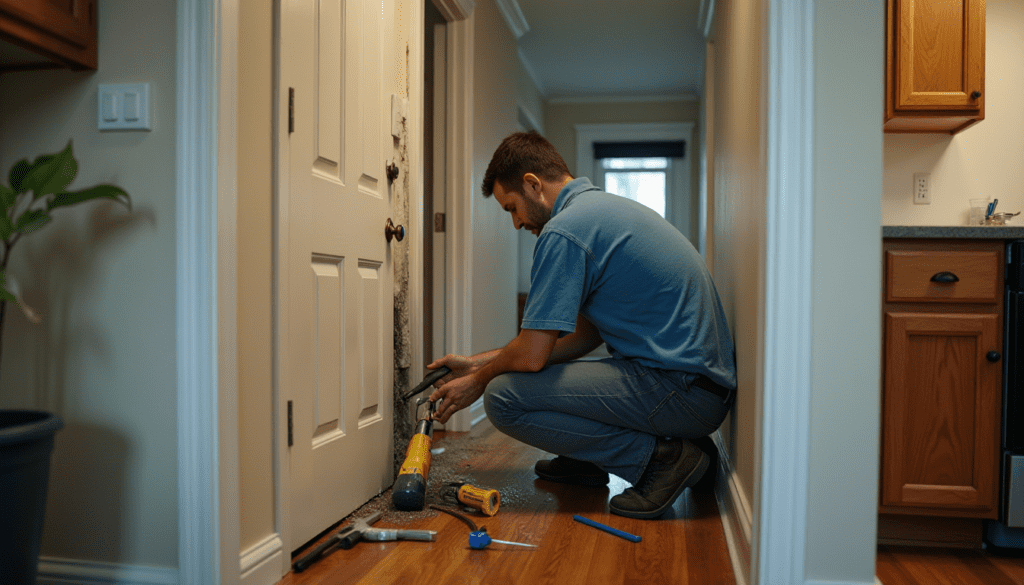
After all belongings and debris have been removed, landlords can begin the process of repairing and restoring the unit. Hoarding often causes hidden damage: flooring may be deteriorated under piles of items, walls may show mold or staining, and appliances may have suffered long-term neglect. Completing a full inspection helps identify all necessary repairs before marketing the property to new tenants.
Common Repairs Needed in Hoarding Cases
Some of the most frequent repairs seen in hoarder-affected units include replacing damaged flooring, patching and repainting walls, repairing appliances blocked or damaged by clutter, and fixing ventilation or electrical issues. Odor removal is another significant task—strong odors can linger long after clutter is removed, requiring deep cleaning or even replacement of carpets and soft materials.
Addressing all issues thoroughly is essential, not just for tenant satisfaction but also for compliance with habitability standards and New Jersey housing codes. Rushing the repair process may lead to long-term issues or repeated complaints from future renters.
Restoring Habitability and Addressing Structural Issues
In severe hoarding situations, structural concerns may arise. Excessive weight from stacked items can harm flooring, while moisture buildup may cause wood rot or mold growth. Landlords should hire qualified contractors to inspect and repair structural elements such as beams, subflooring, and load-bearing walls if any concerns are present. Proper remediation helps maintain property value and ensures the home remains safe for future occupants.
Deep Cleaning, Sanitizing, and Odor Removal
Cleaning after a hoarder tenant requires more than a standard move-out sweep. Professional sanitation services may be needed to disinfect surfaces, remove bacteria or mold, and treat lingering odors. Tools like HEPA vacuums, ozone generators, or enzymatic cleaners are commonly used to restore air quality and eliminate deep-rooted smells.
A fully cleaned, sanitized, and odor-free unit helps attract quality tenants quickly, supporting faster turnover and minimizing vacancy loss.
Conclusion — Supporting Tenants While Protecting Your Property
Managing a hoarder tenant in Belleville, NJ requires a thoughtful balance of empathy, firmness, and compliance with state laws. Hoarding isn’t just clutter—it can create severe fire hazards, attract pests, damage property, and disrupt neighboring units. By approaching the situation with compassion, documenting every step, and following proper legal procedures, landlords protect their investment while giving tenants a fair opportunity to correct the problem.
From early detection and communication to cleanup plans, professional intervention, and final repairs, each stage of managing hoarding comes with its own challenges. But with a structured, proactive approach, it is entirely possible to restore the property, maintain safety, and remain fully compliant with New Jersey regulations.
Most importantly, remember that every case is unique. Tailor your approach to the severity of the hoarding, the tenant’s willingness to cooperate, and the legal requirements in Belleville and Essex County. A respectful, legally sound strategy not only protects your property—it creates better outcomes for everyone involved.
Disclaimer
The information in this article is provided for general educational purposes only and should not be interpreted as legal advice. Laws affecting hoarding situations, tenant rights, and landlord responsibilities in Belleville, NJ and the broader state of New Jersey can change over time, and individual cases may involve unique circumstances. Landlords facing hoarding issues or considering eviction should consult a qualified New Jersey attorney or housing professional for guidance specific to their situation.